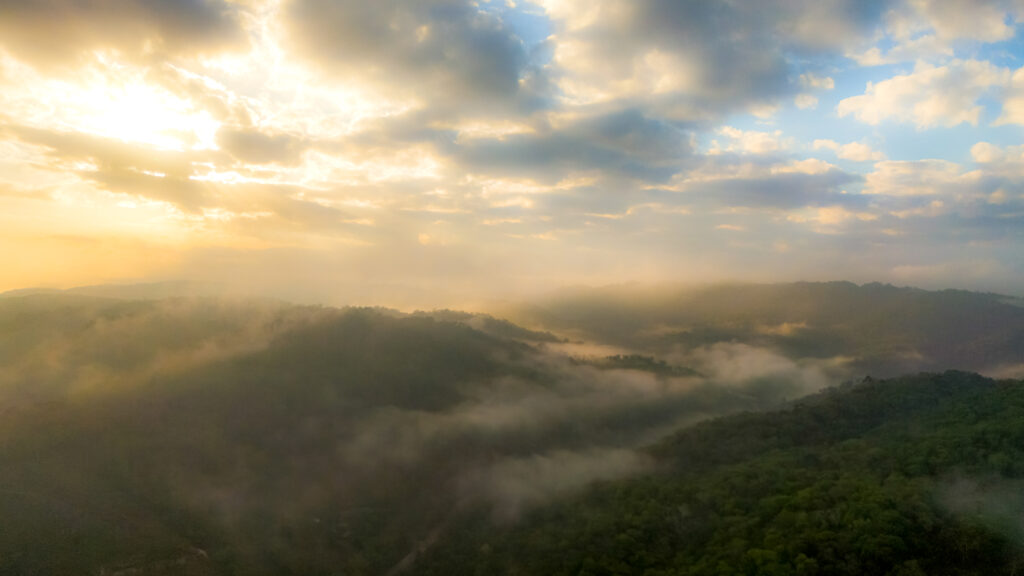
Before sunrise, the rainforest is already awake. The first sounds drift through the darkness long before the students emerge from their eco-pods at the Belize Rainforest Retreat at Chaa Creek. Somewhere high in the canopy, a motmot calls. A troop of howler monkeys announces the morning from across the valley. Mist hangs between the trees as the jungle slowly reveals itself to another day.
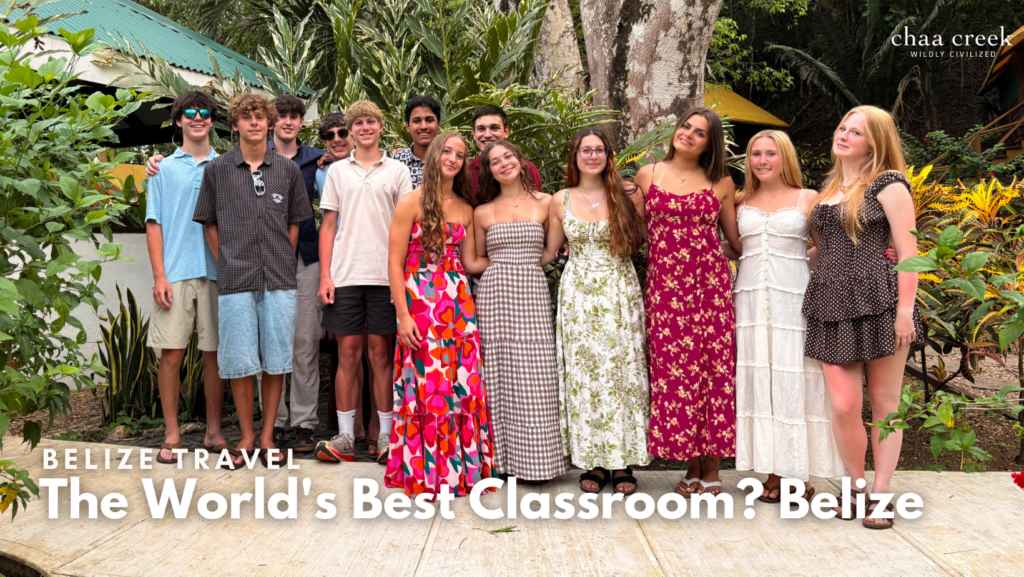
For a group of fifteen students from Cape Henry Collegiate an independent college-preparatory school in Virginia Beach, Virginia, Belize would become their classroom for the week.
Not a classroom of desks, whiteboards, and bright fluorescent lights, but one of ancient Maya temples, winding rainforest trails, hidden cave systems, cascading waterfalls, remarkable wildlife, and communities whose stories have been woven into the landscape for thousands of years.
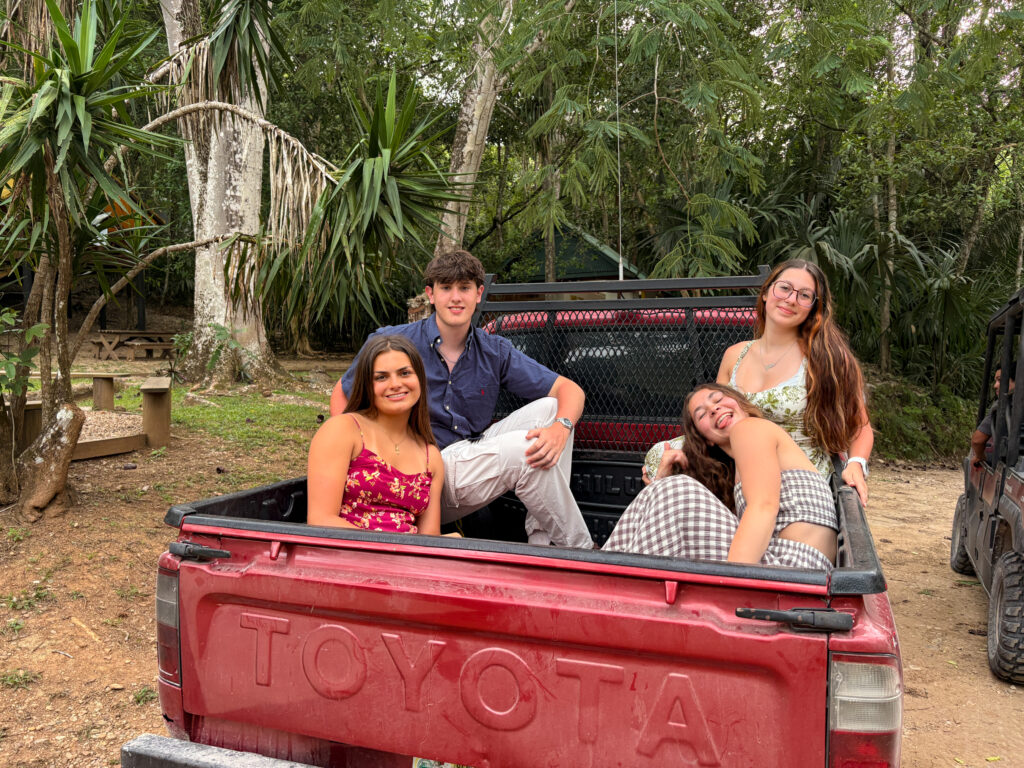
This is Belize.
Belize sits comfortably between Mexico and Guatemala. It is known for its barrier reef and Caribbean coastline. However, inland Belize tells a different story. Dense tropical forests hide ancient Maya cities. Waterways carve through limestone hills. Scarlet macaws flash as they fly through emerald canopies and traditional knowledge is passed down in the shade of the rainforests that have supported communities for centuries.
In this evolving landscape, travelers increasingly seek vacations that teach and give back to local communities. For students eager to explore beyond textbooks, Belize stands out as one of the most rewarding destinations in the Americas.
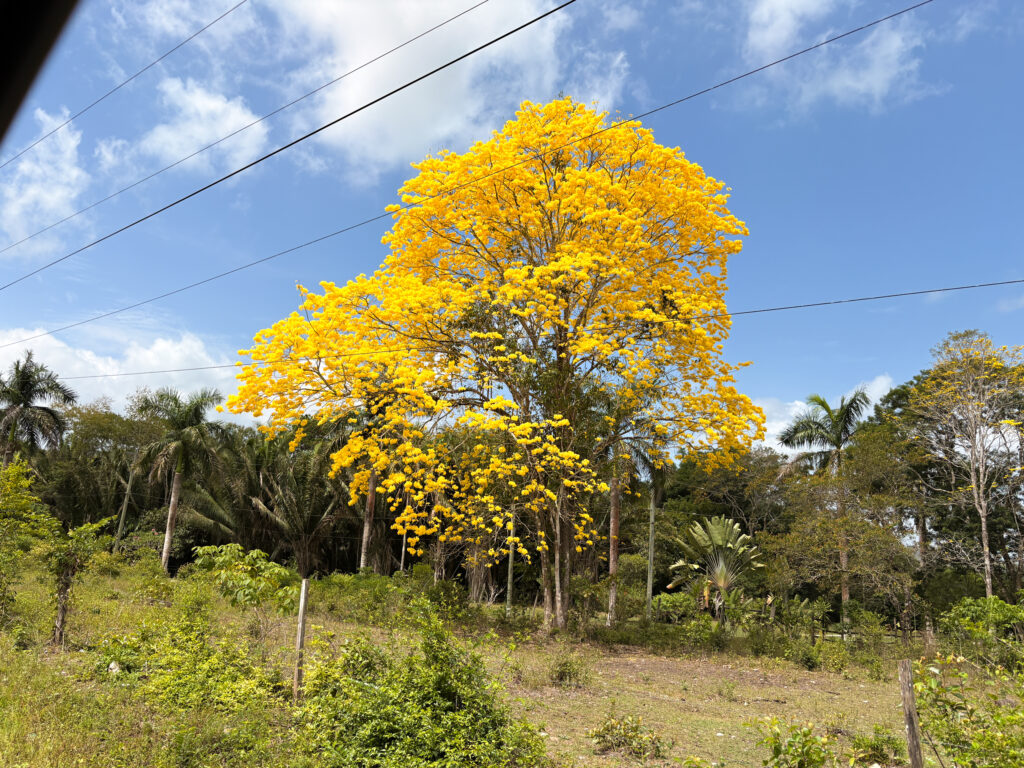
Why Belize Is an Ideal Destination for Educational Travel
Educational travel works best when learning spreads beyond the classroom, and few places offer the diversity of experiences that Belize does. In one week, students from Cape Henry explored ancient Maya cities, paddled through caves, learned about sustainable agriculture, saw wildlife, and engaged with local communities.
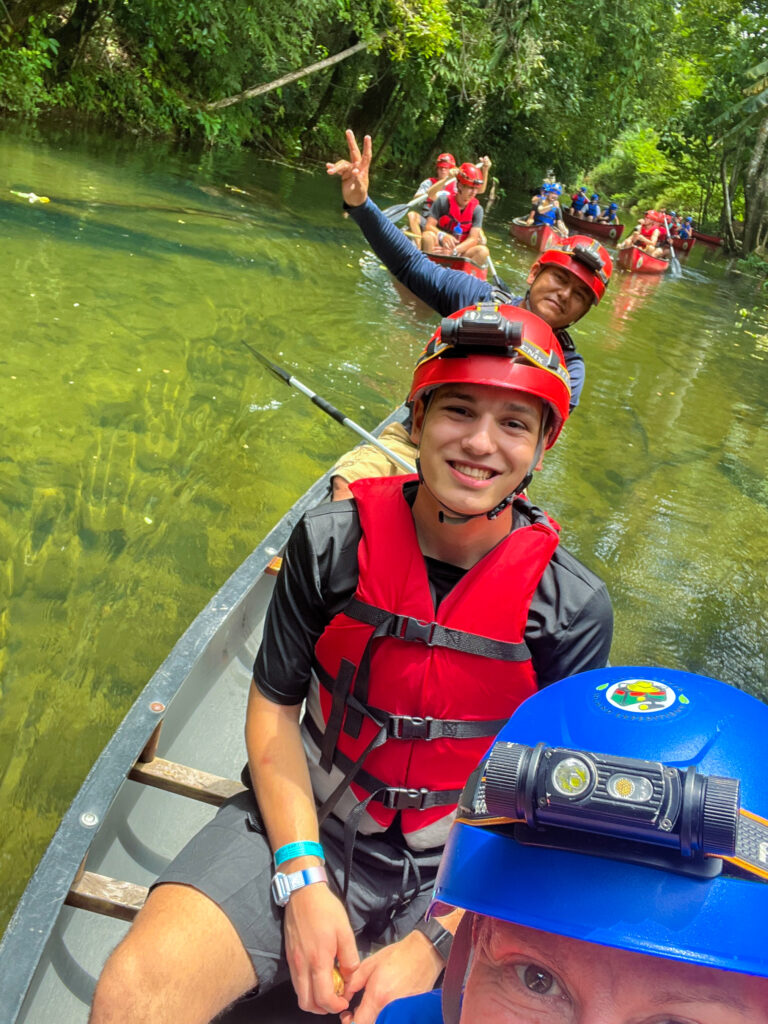
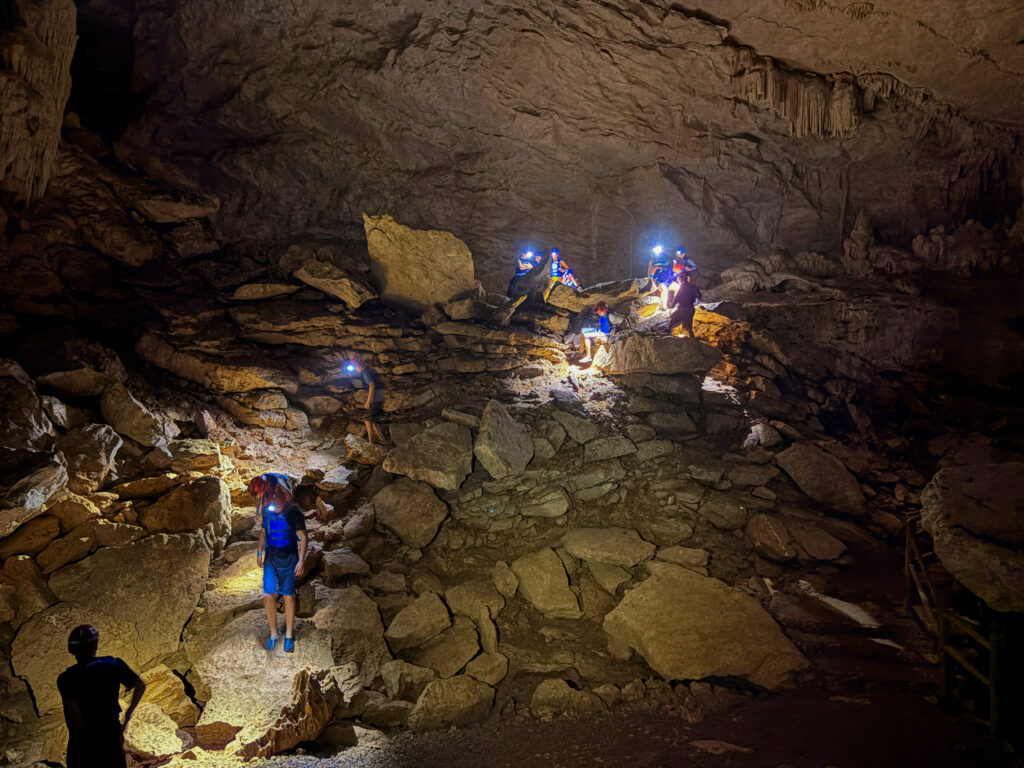
These activities connected biology, archaeology, history, geography, conservation, and cultural studies, showing how classroom subjects become hands-on, interconnected experiences that deepen understanding of both the natural world and local cultures.
As the only English-speaking country in Central America, Belize also offers an accessible, friendly environment for school groups pursuing meaningful international travel experiences.
Staying at the Belize Rainforest Retreat at Chaa Creek
Western Belize, home to The Lodge at Chaa Creek for more than four decades, served as the perfect base for the students’ adventures. For six nights, students called the Belize Rainforest Retreat at Chaa Creek home. Surrounded by rainforest and immersed in nature, the retreat was an extension of the learning experience.
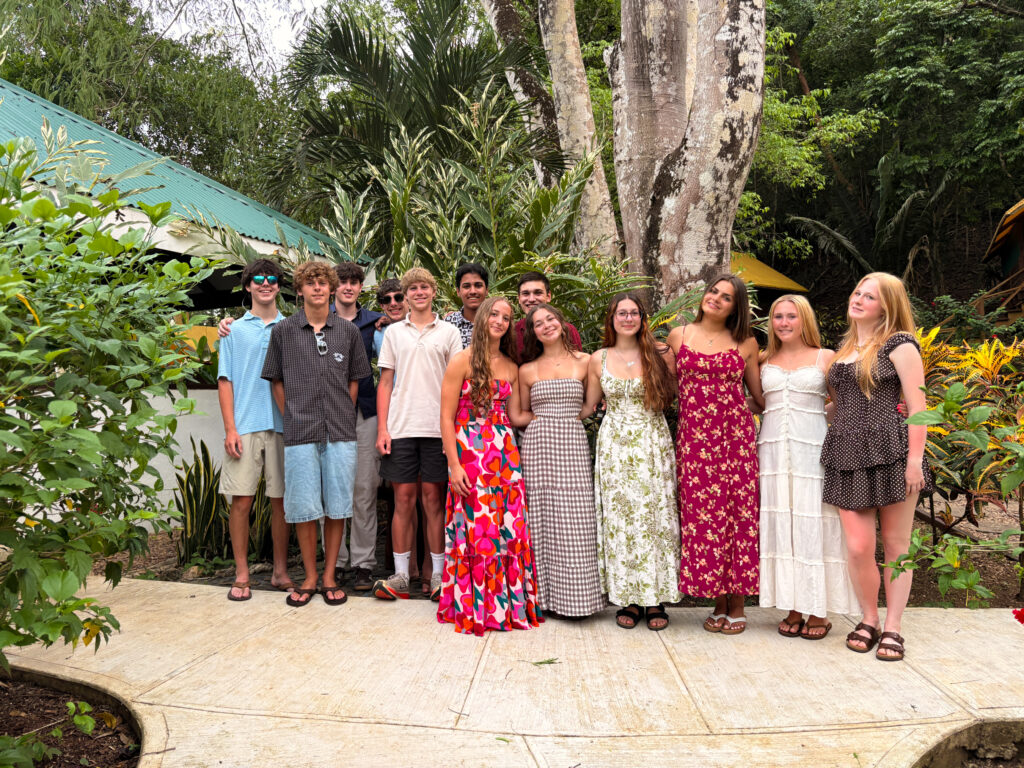
Each morning began with the sounds of birds in the canopy and the rainforest awakening around them. The setting encouraged students to slow down, observe, and interact with the natural environment in ways that are increasingly rare in everyday life.
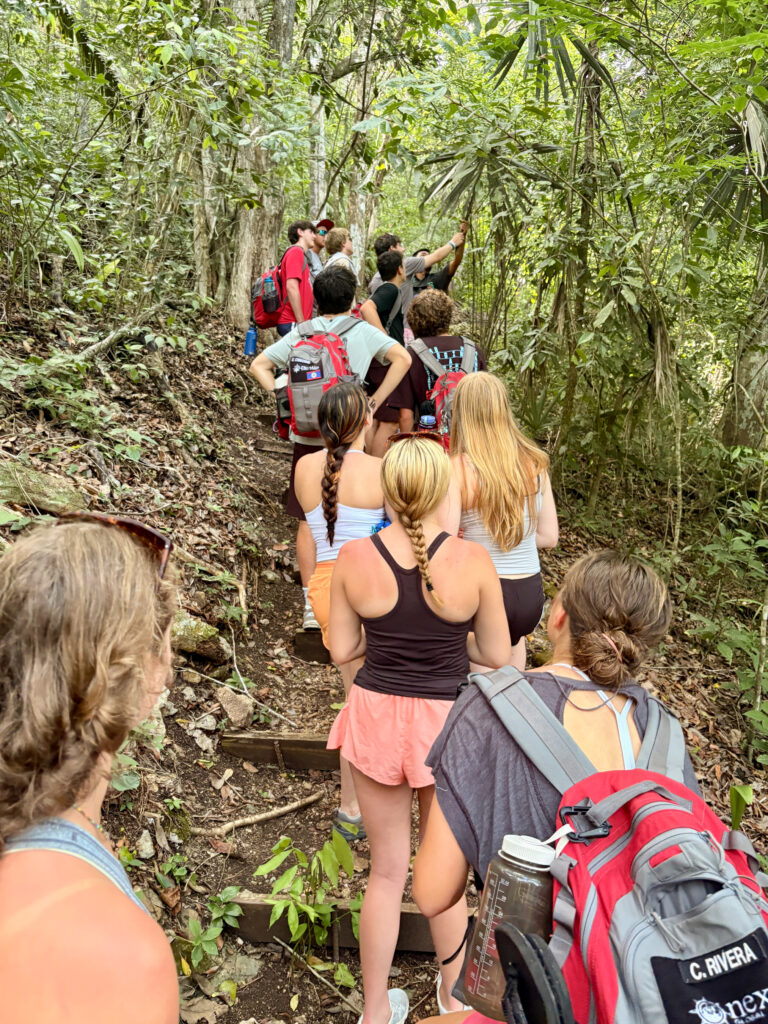
Guided by our naturalist guides they were able to spot wildlife around camp and spend evenings listening to the rainforest where cicadas hum from unseen perches in the trees.
Exploring Belize’s Rainforest and Wildlife
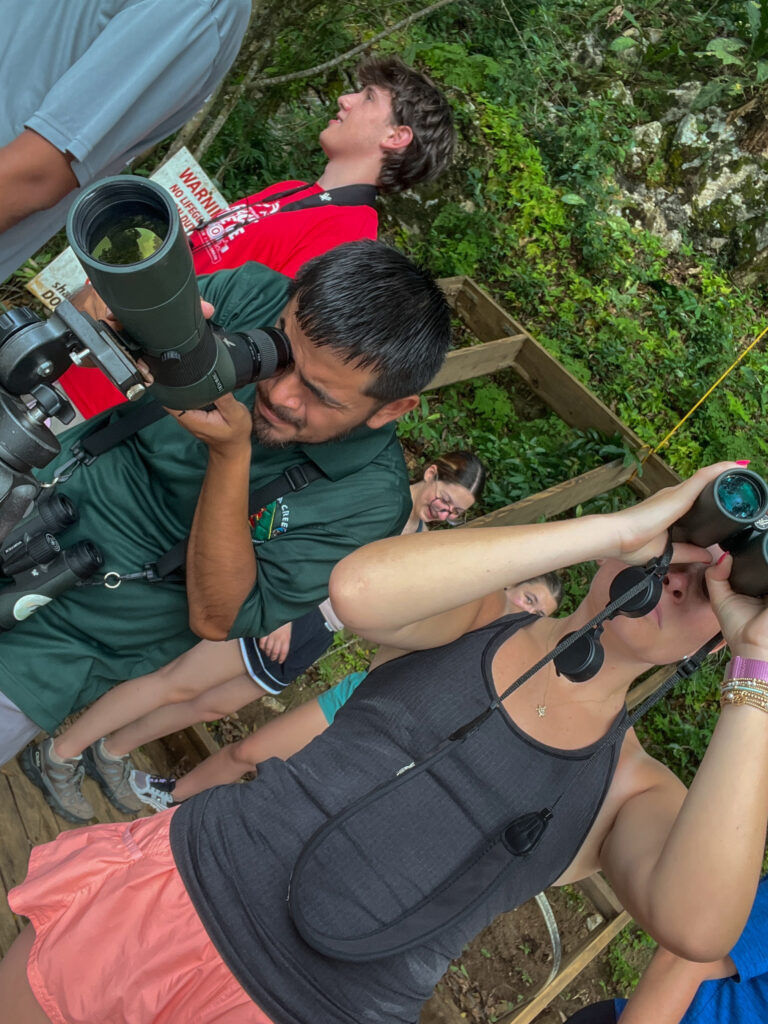
Belize boasts a diverse biodiversity, with nearly 40 percent of its land protected through national parks, reserves, and wildlife sanctuaries. The students experienced this firsthand, they went on early morning birdwatching excursions, visited the Butterfly Farm and Natural History Center, and took guided walks along the Medicinal Plant Trail.
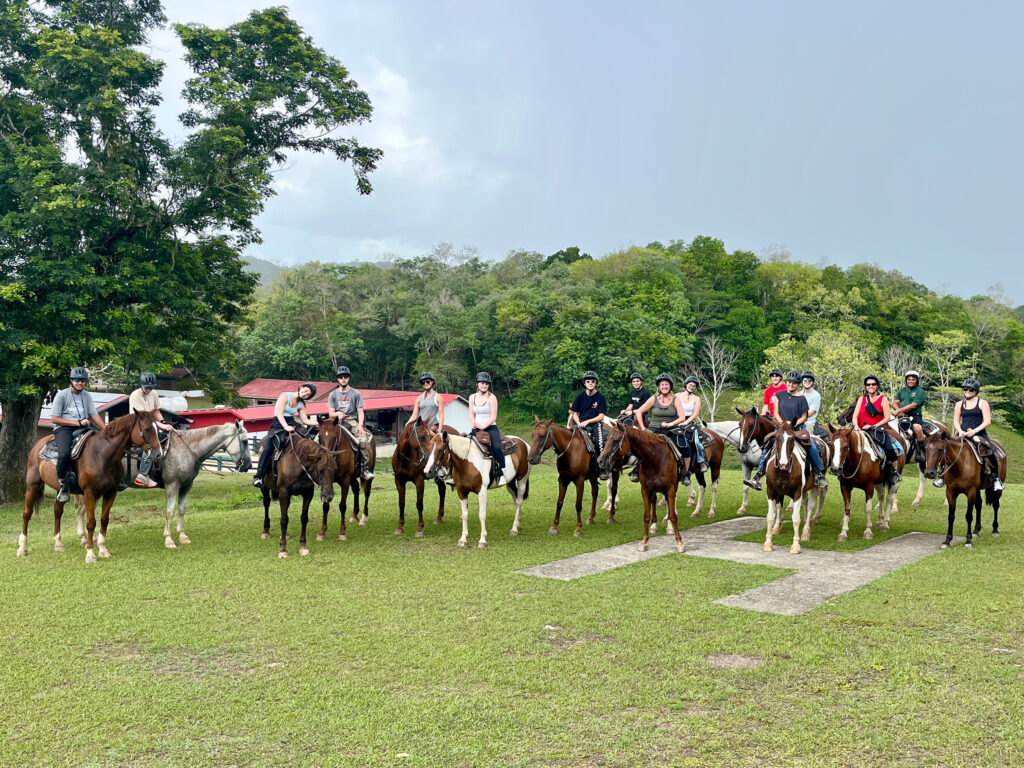
Along the way, they discovered how tropical ecosystems function, learned about flora and fauna they also explored the traditional uses of rainforest plants that have supported Maya communities for generations. These experiences demonstrated that conservation is about protecting nature, conserving cultural knowledge, and maintaining connections between people and place.
Discovering Sustainable Agriculture in Belize
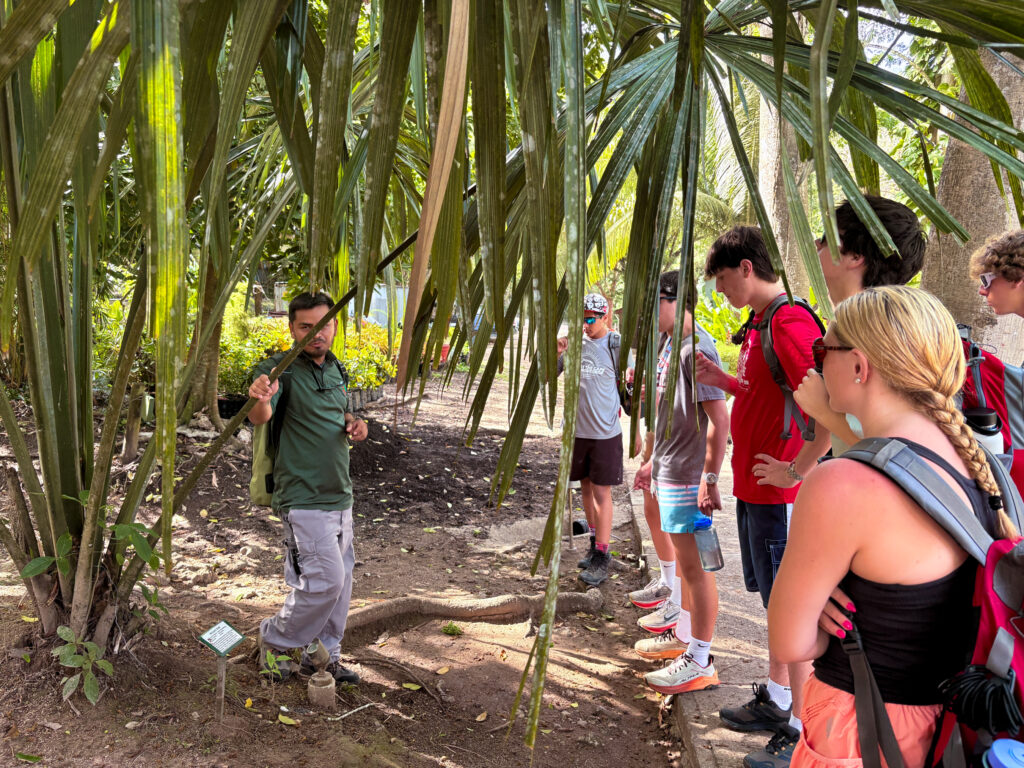
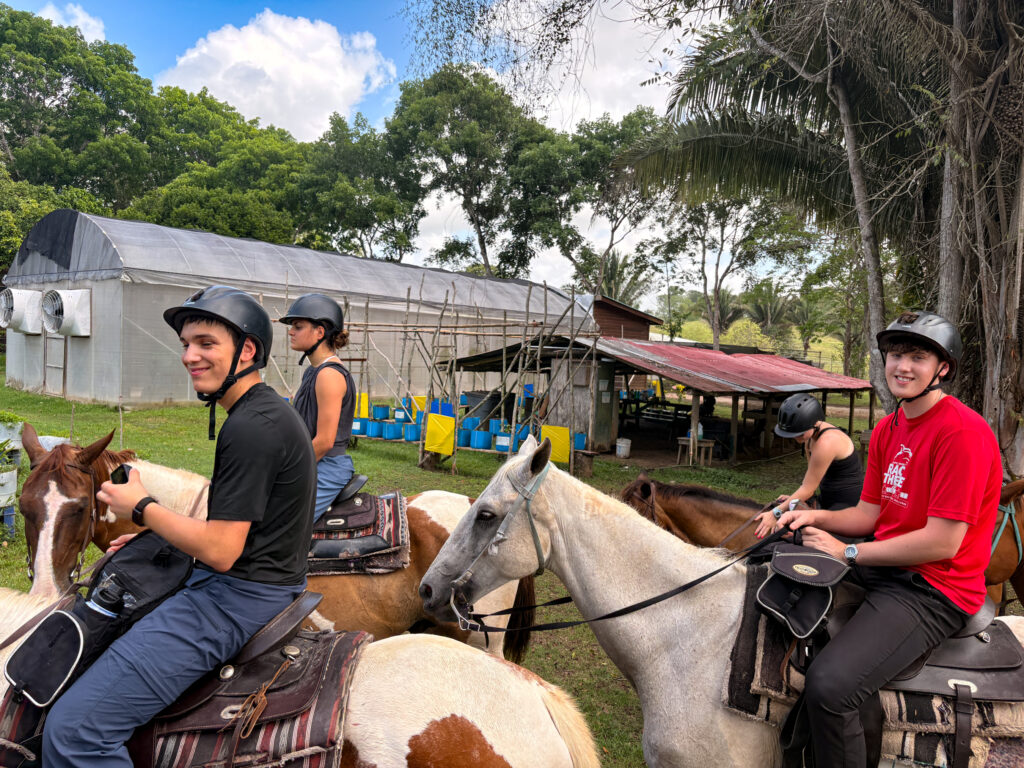
One of the week’s highlights was a horseback journey to Chaa Creek’s Maya Organic Farm. Here, students learned about the farming practices at Chaa Creek and gained a better understanding of where food comes from simple from farm tot table! Their tour at the Maya Farm let them examine the tie between agriculture, conservation, and community.
Exploring Ancient Maya History at Xunantunich
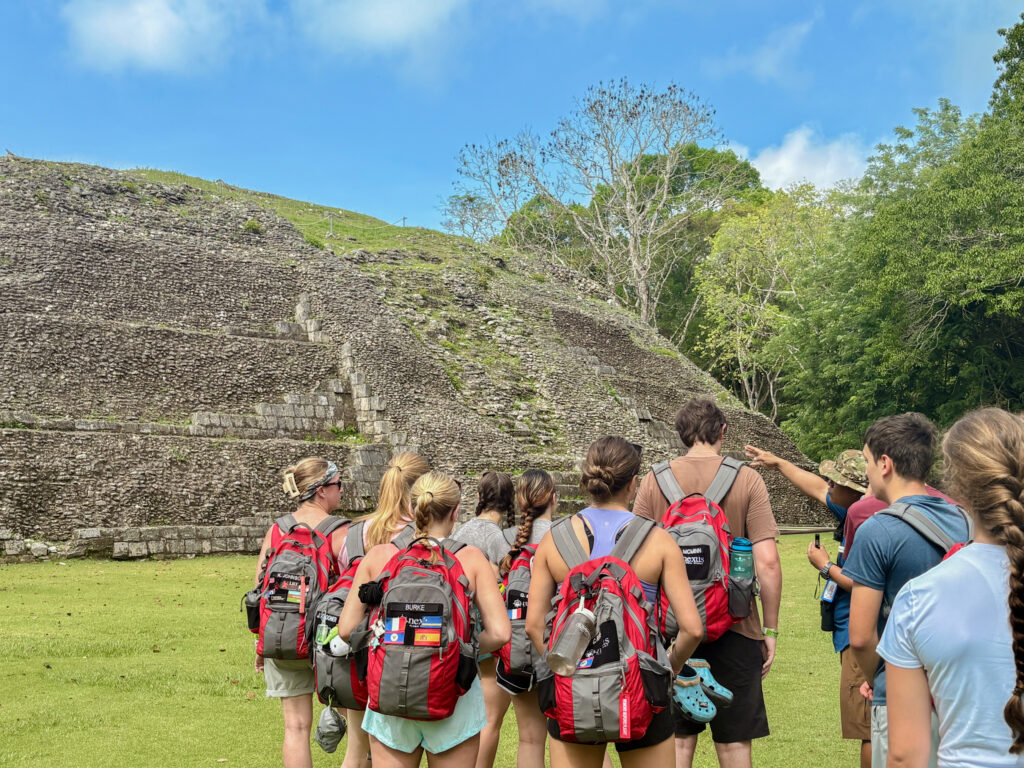
Across the Mopan River in the Village of San Jose Succotz lies Xunantunich one of Belize’s most iconic archeological sites. Standing atop El Castillo, students looked out across a landscape that would have been familiar to the Maya more than a thousand years ago.
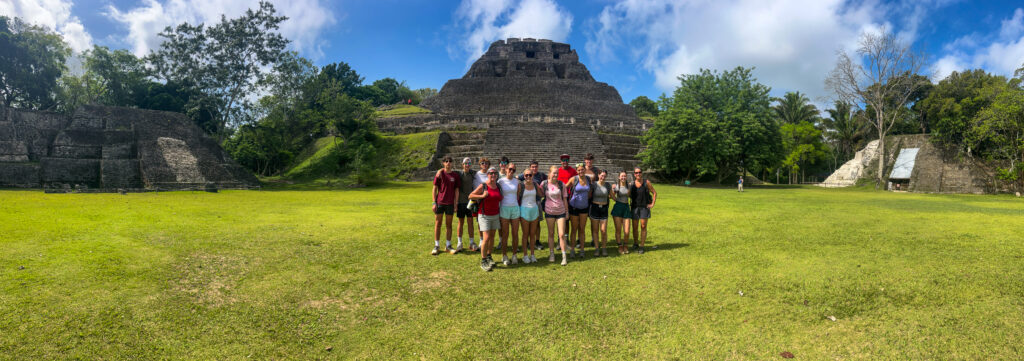
The experience brought history to life. Lessons in astronomy, architecture, mathematics, and governance felt real as students explored plazas, temples, and ceremonial structures that have stood for centuries. Belize’s Maya heritage is one of its greatest treasures, and visiting these sites offers a strong reminder of the intricacy and achievements of this ancient civilization.
Adventure Travel in Western Belize
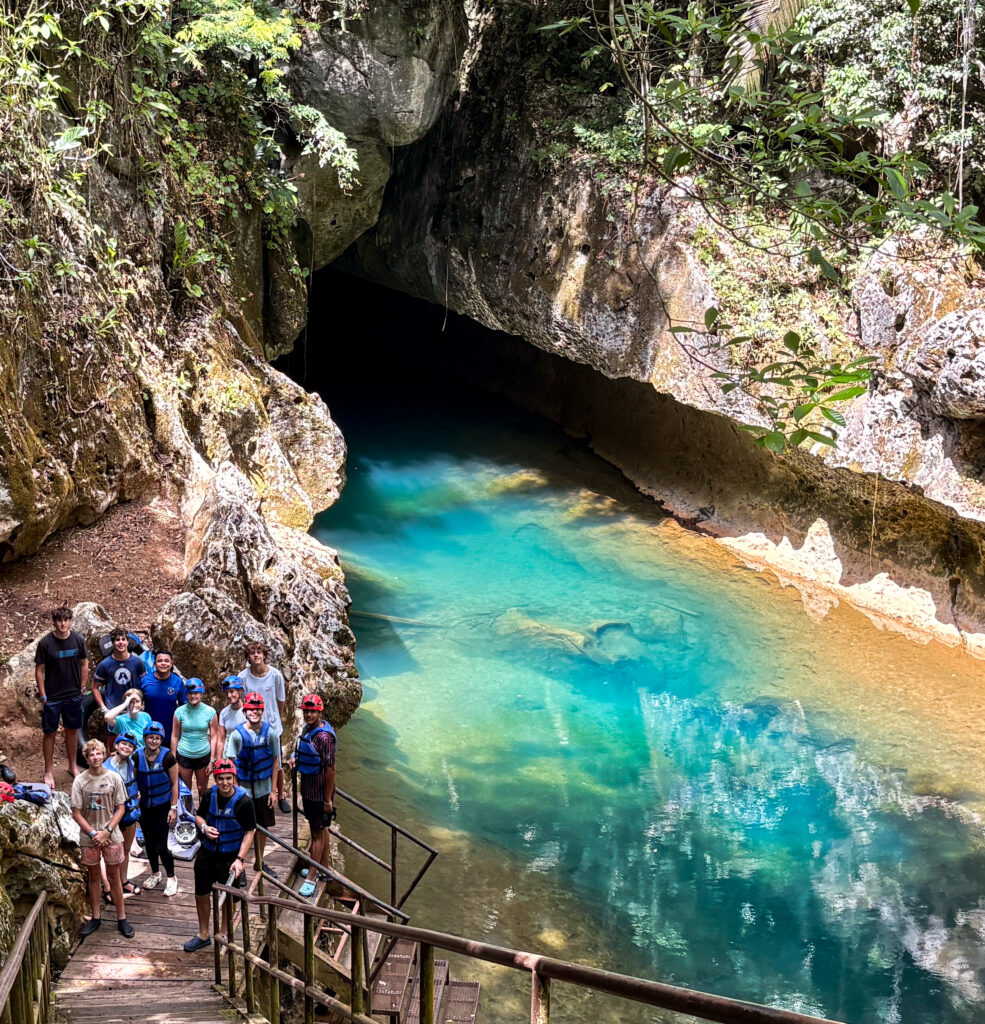
Adventure and education go hand in hand when in Belize. A trip into Barton Creek Cave showed towering limestone chambers and highlighted the cave’s importance to the Maya. At the Big Rock Falls, the students enjoyed the beauty of Mountain Pine Ridge Forest Reserve. Waterfalls, rivers, and pine forests form a landscape found nowhere else in the country.
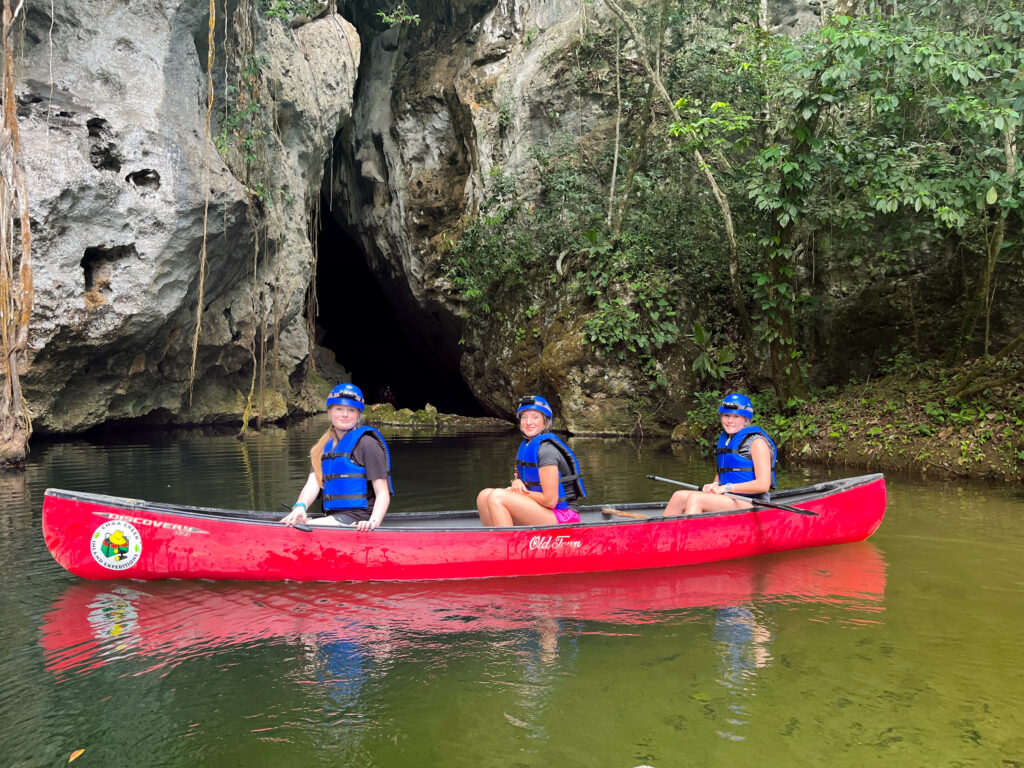
These experiences encouraged curiosity, confidence, and an enhanced appreciation for Belize’s remarkable natural environments.
Experiencing Belizean Culture and Community
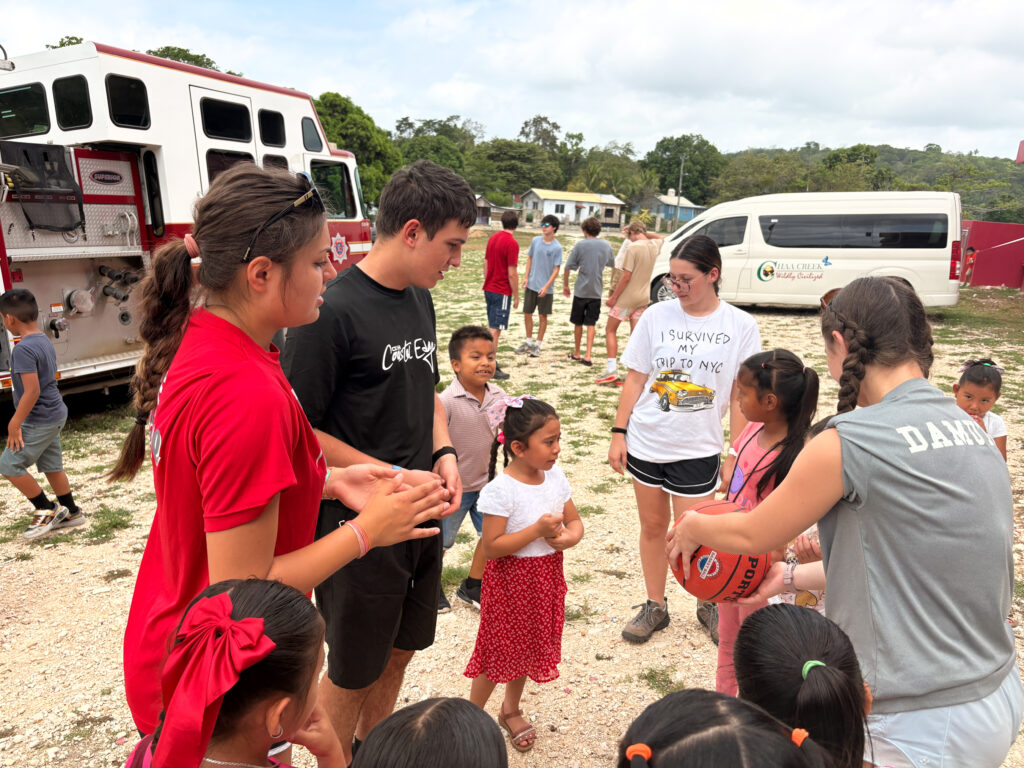
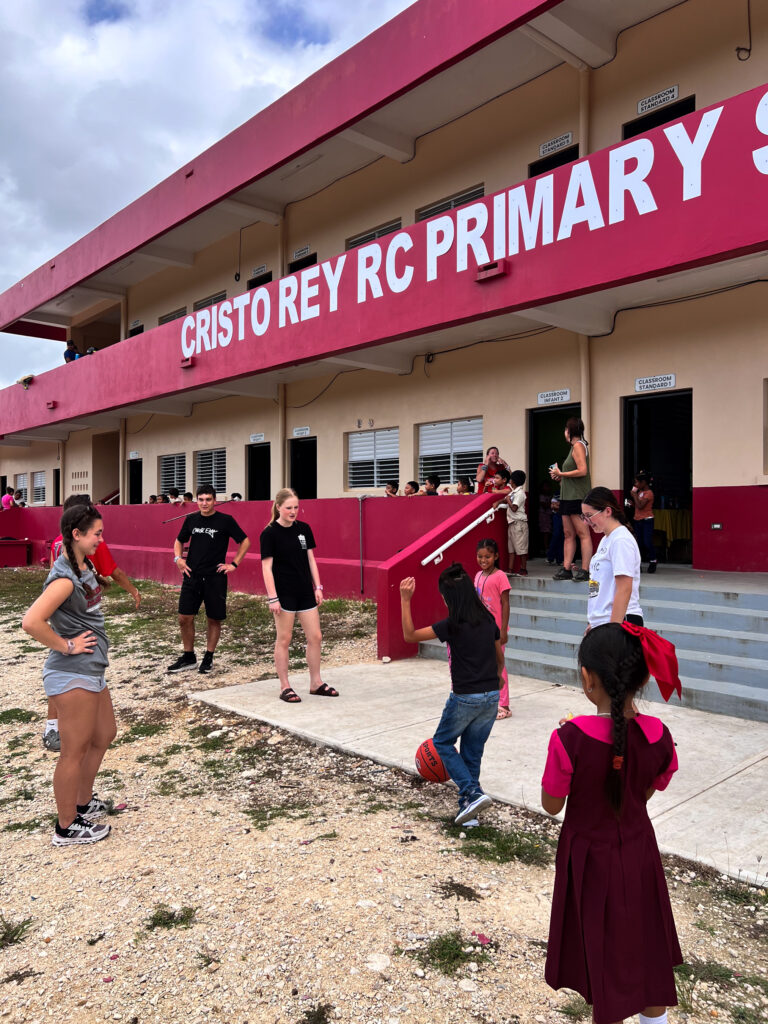
The most meaningful travel experiences commonly come through interpersonal connection. A visit to Cristo Rey Primary School offered insight into local education and community life. Market day in San Ignacio Town gave students a chance to experience one of Belize’s most vibrant towns.
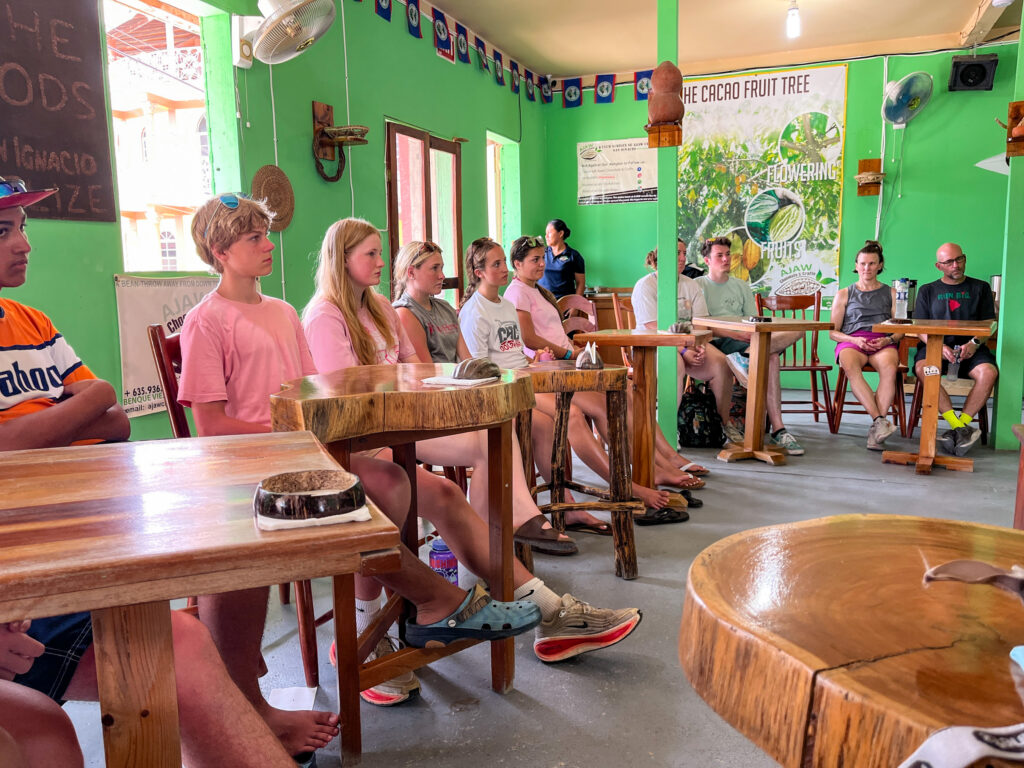
Students also visited AJAW Chocolate, where they learned about the history of cacao and its importance to both ancient Maya civilization and modern Belizean culture.
Together, these experiences showed the cultural diversity that makes Belize unique. The country is defined by Maya, Mestizo, Creole, Garifuna, Mennonite, East Indian, Chinese, and other communities.
Discovering the Rainforest After Dark
When the sun sinks beneath western Belize, the rainforest reveals a different side of itself. Chaa Creek’s 500-acre nature reserve is the perfect setting for the Creatures of the Night hike. The Cape Henry students explored the rainforest alongside our naturalist guides to search for nocturnal wildlife and learn about the species that emerge after dark. They easily saw spiders, frogs, mammals, and lots of insects that call the nature reserve home.
Lessons That Last Long Beyond the Journey Ends
For Cape Henry Collegiate, the journey wrapped up with cave tubing and ziplining en route to Belize City as they headed to the coast to enjoy Belize’s Caribbean charms.
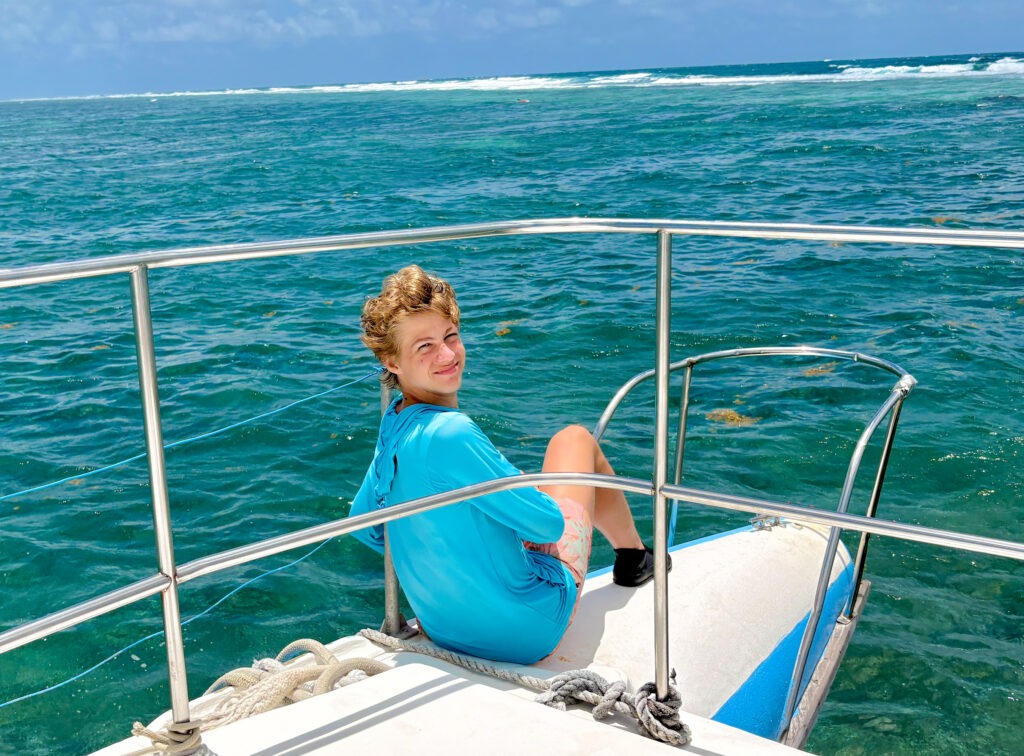
Students went back home with a greater appreciation for conservation and cultural heritage. Their memories came from experiences that cannot be replicated in a typical classroom.
Belize has a way of rewarding curiosity. It encourages travelers to slow down, pay attention, and connect to the world around them. For these students, that may have been the most valuable lesson of all. Contact us at [email protected] to chat with us and plan your Belize experience.