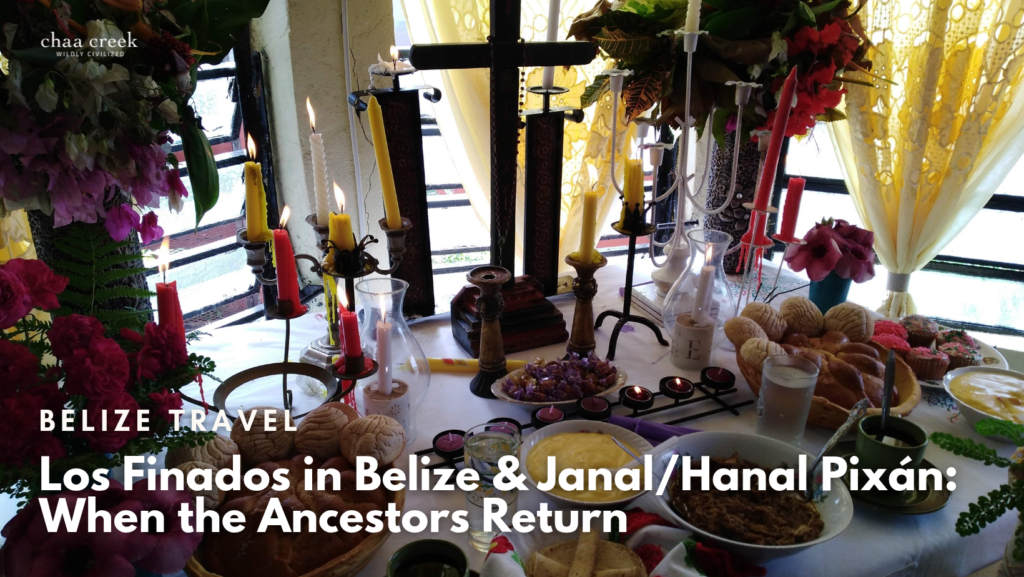
To remember someone is, in its own way, an act of love. Across generations and cultures, we keep those who came before us close through their names, their stories, the foods they loved and the traditions they left behind. A grandmother’s recipe, a grandfather’s story or a candle lit beside a photograph can become a way of saying that although someone is no longer physically with us, they remain part of who we are.
In Belize, that remembrance takes a particularly meaningful form during Los Finados, when families honor those who have passed through food, prayer and traditions handed down through generations. Across our northern border in Mexico’s Yucatán Peninsula, the Maya observance known as Janal Pixán, also written Hanal Pixán, translates as “food for the souls.” For a few sacred days, families prepare to remember and welcome those who came before them.
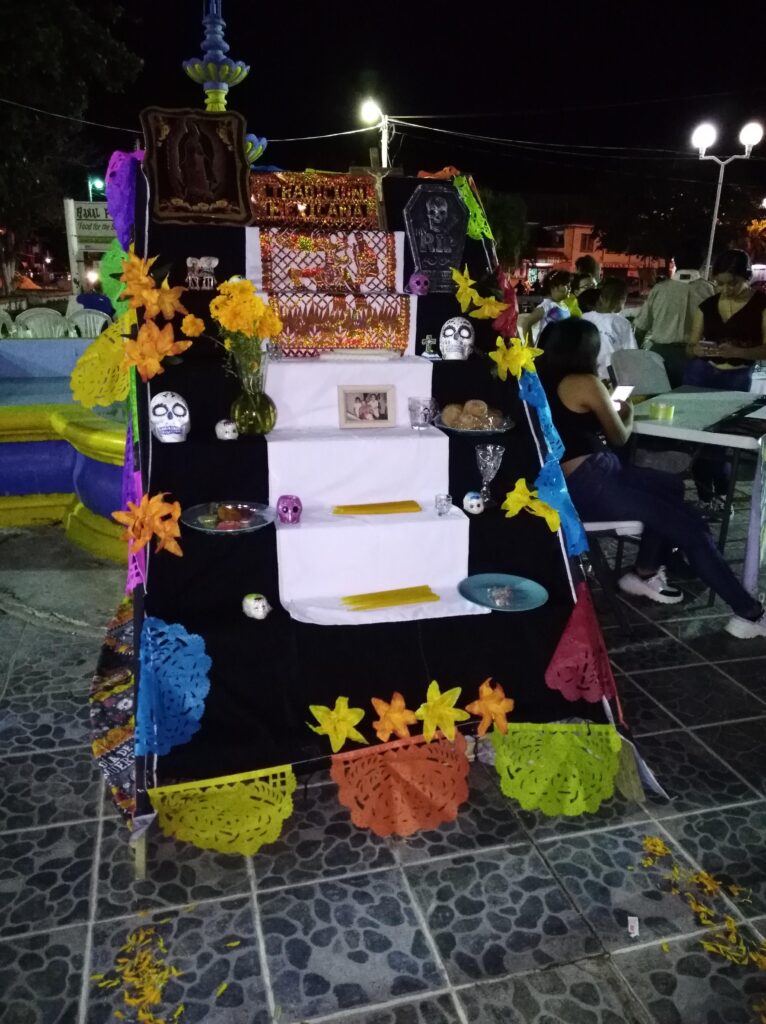
Today, we describe these as Belizean and Mexican traditions because we understand the region through modern borders. Historically, however, the story is considerably older and more complicated. The cultural landscape connecting northern Belize, the Yucatán Peninsula and the wider Maya region existed long before the international boundaries that now separate Belize, Mexico and Guatemala.
Before the Border, There Was a Maya World
For centuries, Maya communities occupied an interconnected cultural landscape extending across present-day Belize, southeastern Mexico and Guatemala. These communities were never culturally identical, nor should the Maya world be imagined as a single homogeneous society. Languages, political identities, rituals and local customs varied considerably, but people, foods, beliefs and ideas moved throughout the region.
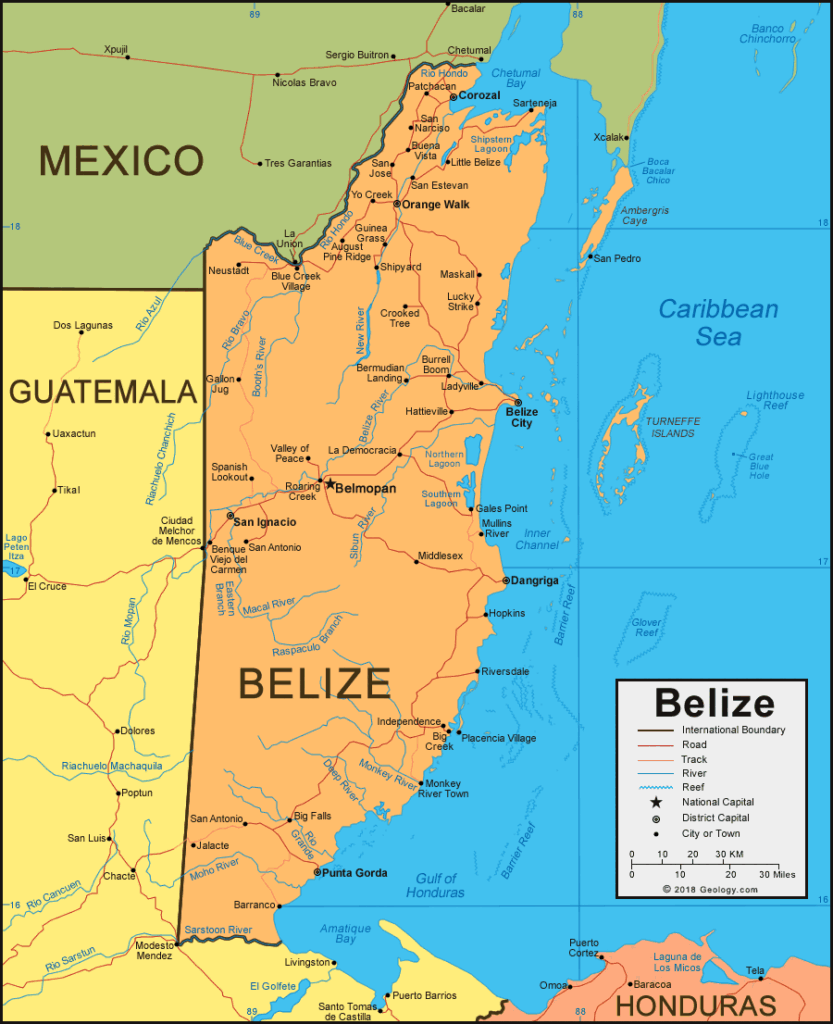
This is important when discussing Los Finados and Janal Pixán because it would be too simple to describe the Belizean tradition as something imported from Mexico. Belize’s northern border separates two modern countries, but it did not create the cultural relationships that existed on either side of the Río Hondo. Belizean historical scholarship has similarly explored how the emergence of modern political boundaries did not erase older cultural relationships among Indigenous communities living across this landscape.
Those connections help explain why traditions, foods, languages and family histories found in northern Belize can feel immediately familiar across the border in Yucatán and Quintana Roo. The political border came later; relationships between people, landscape, family and memory were already deeply established.
When the Ancestors Begin to Return
Janal Pixán is traditionally centered around October 31 through November 2, although contemporary customs surrounding the arrival of the souls can begin earlier. In several popular and family traditions today, October 27 has become associated with remembering deceased animals or pets, while the days that follow can serve as a period of preparation before the principal observances.
The traditional Janal Pixán calendar documented in Yucatán begins on October 31 with U Janal Palal, the day dedicated to deceased children. November 1, U Janal Nucuch Uinicoob, is dedicated to deceased adults, while November 2, U Janal Pixanoob, or Misa Pixán, remembers the faithful departed through prayers, masses and visits to cemeteries.
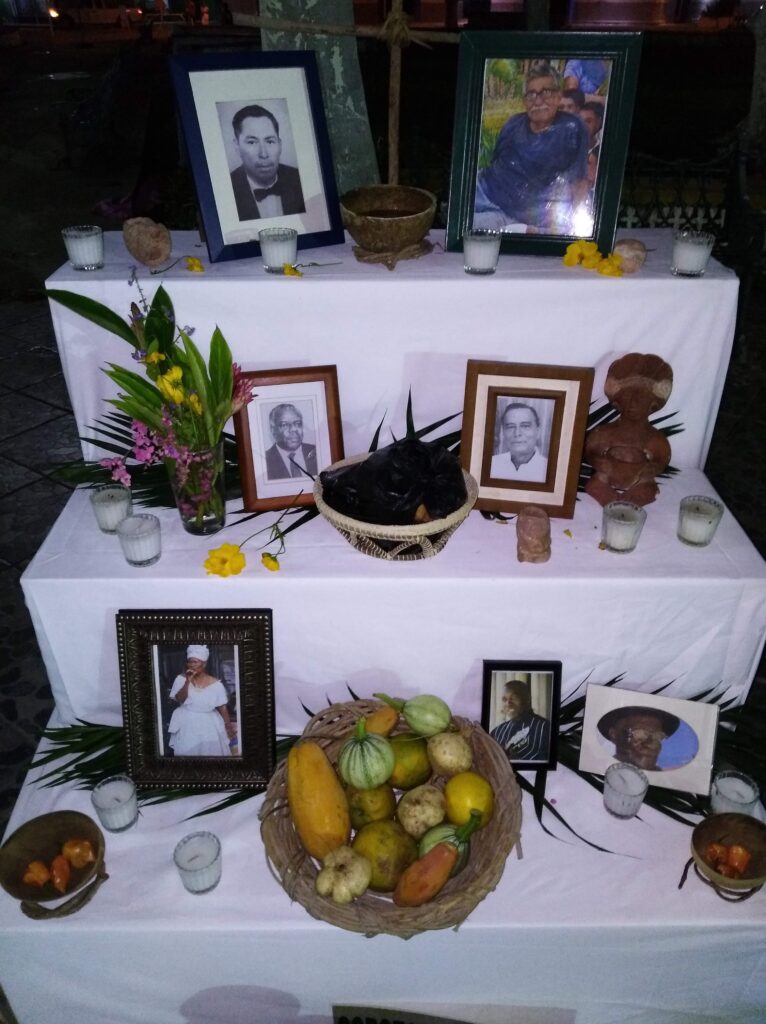
These dates overlap with the Catholic observances of All Saints’ Day and All Souls’ Day, but Janal Pixán cannot be understood solely through the Catholic calendar. Its Maya language, foodways and understandings surrounding the return of the departed reveal a much more layered cultural history.
In Belize, Los Finados similarly centers remembrance around the beginning of November, particularly November 1 and 2, although customs can vary between families and communities. That variation is itself significant. Living traditions rarely exist in one perfectly standardized form; they are carried through households, where practices are remembered, adapted and passed from one generation to another.
What Archaeology Can Tell Us About the Ancestors
It is tempting to draw a straight line between ancient Maya beliefs and the Los Finados or Janal Pixán traditions practiced today, but archaeology requires us to be more careful. There is no archaeological evidence demonstrating that ancient Maya families observed Janal Pixán exactly as families do today, and traditions inevitably change across centuries.
What archaeology does demonstrate is that relationships between the living, the dead and the ancestors were deeply embedded within Maya life. Throughout the Maya region, the deceased were sometimes buried within or near residential spaces where subsequent generations continued to live, allowing ancestors to remain physically and symbolically connected to households, communities and landscapes rather than being completely separated from the world of the living.
“Archaeological evidence from Maya sites such as El Cuello (northern Belize), K’axob (Belize), and Tikal(Guatemala) demonstrates that the ancient Maya practiced sub-floor and domestic patio burials from the Preclassic period onward, laying the physical foundation for the modern Hanal Pixán (“food for the souls”) ancestor veneration tradition.”
Archaeological research in Belize provides particularly fascinating examples of these relationships. Ancient Maya sites have revealed complex mortuary practices, ritual offerings, the curation and reburial of human remains, and evidence of later communities returning to places already associated with earlier generations. None of this proves that an ancient Maya family celebrated Los Finados as we know it today. Instead, it tells us something more fundamental: relationships between the living and their ancestors have very deep roots within the Maya world.
That distinction is important because living traditions rarely survive by remaining unchanged for thousands of years. They survive because generations continue to remember, interpret and adapt them.
Conquest, Catholicism and Mestizaje
Spanish colonization profoundly transformed the Maya world. Christianity introduced new religious concepts and observances, including the Catholic calendar surrounding All Saints’ Day and All Souls’ Day. Yet conversion was not simply a process in which one worldview disappeared and another completely replaced it. Maya communities encountered, interpreted and adapted new religious practices within existing cultural frameworks.
This is where mestizaje becomes particularly important to the story. The word is often understood in terms of the mixing of Indigenous and European ancestry, but mestizaje can also help us understand a broader process of cultural encounter. Languages mingle, recipes evolve, religious symbols acquire local meanings, and traditions inherited from different worlds can eventually become so intertwined that separating one influence from another becomes difficult.
Janal Pixán embodies this layered history. Catholic prayers, crosses and the November religious calendar coexist with Maya language, maize-based foods, local ingredients and understandings surrounding the return of the ancestors. Rather than belonging exclusively to one historical world or another, the tradition reflects generations of adaptation, survival and cultural continuity.
La Guerra de Castas and the Road to Northern Belize
For Belize, another major chapter must be added to this story: La Guerra de Castas, or the Caste War of Yucatán. Beginning in 1847, the conflict profoundly transformed the Yucatán Peninsula and displaced thousands of people. Maya and Mestizo families moved southward across the frontier into what was then British Honduras, carrying with them languages, agricultural knowledge, religious traditions, foods and family customs.
Many of these families established themselves in what became the northern districts of Corozal and Orange Walk, with Corozal Town, close to Belize’s northern border with Mexico, becoming particularly important within this changing cultural landscape. By the time of the 1861 census, approximately 12,000 predominantly Maya and Mestizo migrants had entered Belize, significantly changing the demographic and cultural landscape of the north.
Migration, however, is never simply the movement of people from one geographic location to another. Families carry culture with them, including language, recipes, agricultural practices, religious beliefs, family stories and ways of understanding life and death. They also carry ways of remembering the people who came before them.
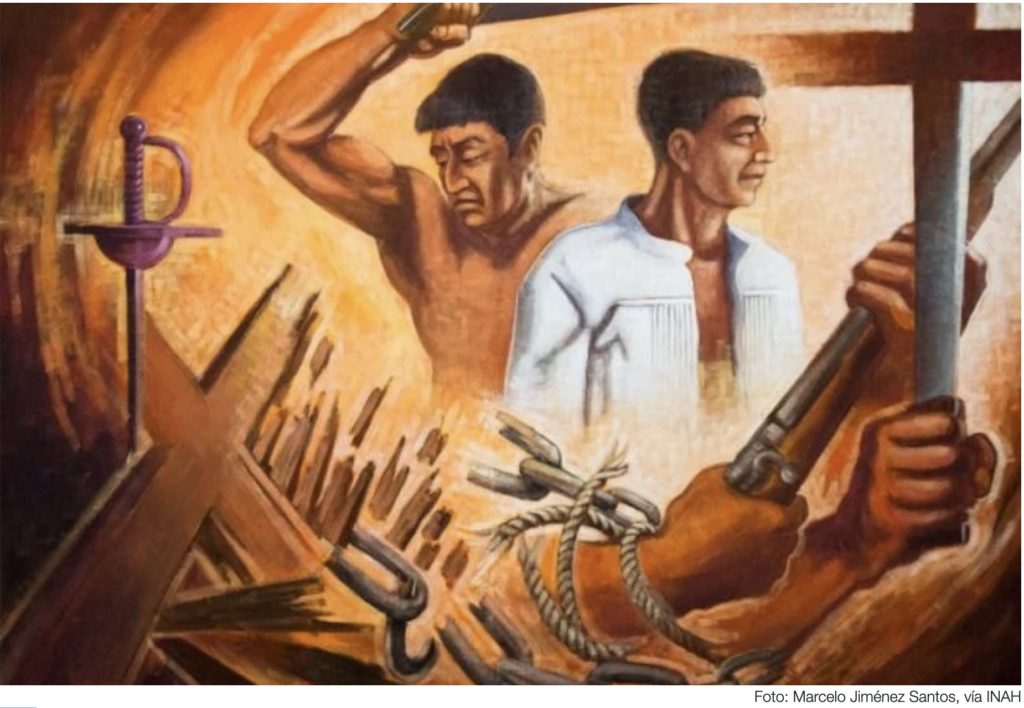
This history helps explain why Los Finados in Belize should not simply be described as a Belizean version of Mexico’s better-known Día de Muertos. Its presence here belongs within a much more complicated regional history connecting the Maya world, colonialism, Catholicism, the Guerra de Castas, migration and mestizaje.
Food for the Souls
Food sits at the center of Janal Pixán so completely that it gives the tradition its name. Often translated as “food for the souls,” the observance includes altars with foods associated with the season and the family, including atole, tamales, fruits, sweets and the distinctive pib or mucbipollo, traditionally prepared underground.
Food transforms remembrance into something tangible because recipes can preserve memories in ways written records cannot. The smell of something cooking can bring back a grandmother’s kitchen decades later, while a particular dish can survive because each generation teaches the next how it should be prepared. Making someone’s favorite food after their death can therefore become an act of remembrance as meaningful as speaking their name.
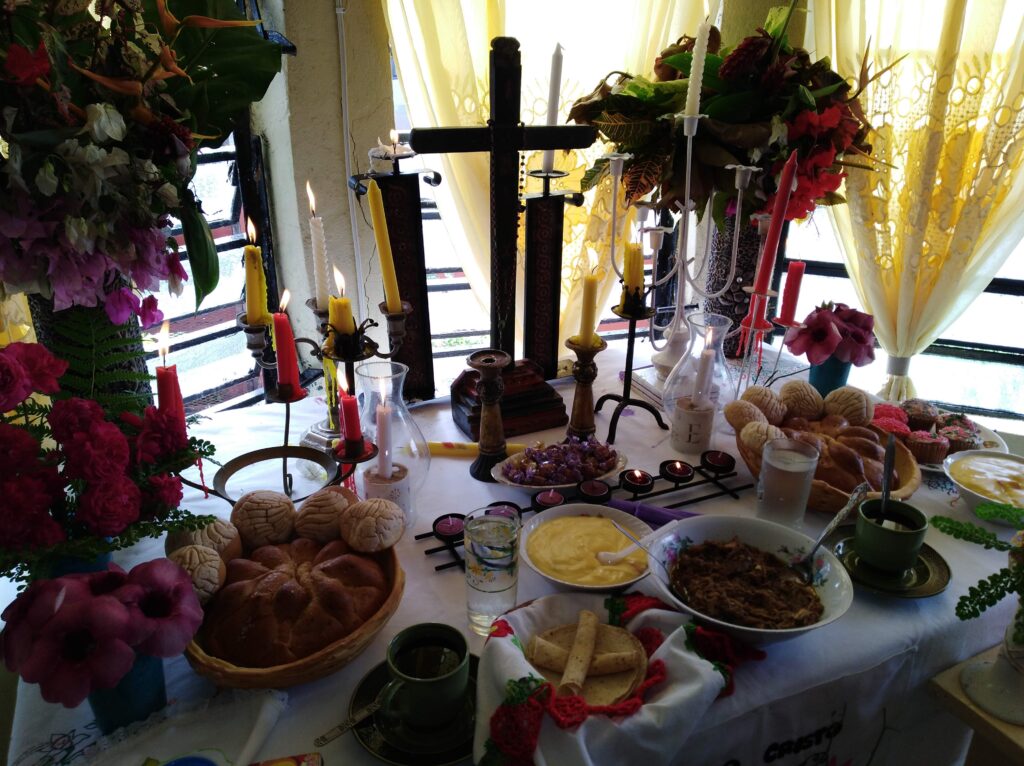
This is also why there may never be one definitive Los Finados table. Family traditions differ, and those differences are part of the heritage rather than deviations from it. Perhaps the more revealing questions are personal ones: What did your grandmother prepare? Which prayer did your grandfather teach the family? Why was a particular dish placed on the table, and who taught the next generation how everything should be arranged?
The answers to those questions belong to oral history, which matters precisely because archaeology and written documents cannot preserve everything.
What Our Grandparents Remember
A grandmother telling a child when the ancestors will arrive is also transmitting cultural knowledge, even if her words never enter an archive. The same is true when someone teaches a younger relative how to prepare a traditional dish, arrange an altar, light the candles, say the prayers or remember which foods belonged to which relative.
This helps explain why traditions surrounding the arrival of the souls can differ slightly between communities and families. An official calendar can tell us when a recognized observance takes place, but oral tradition tells us how people actually experienced it within their homes. For some, the journey begins with preparations in the final days of October. In contemporary traditions, October 27 may mark remembrance of deceased animals and pets before the principal days devoted to children and adults, while other families may preserve their own understandings of when the ancestors begin to draw near.
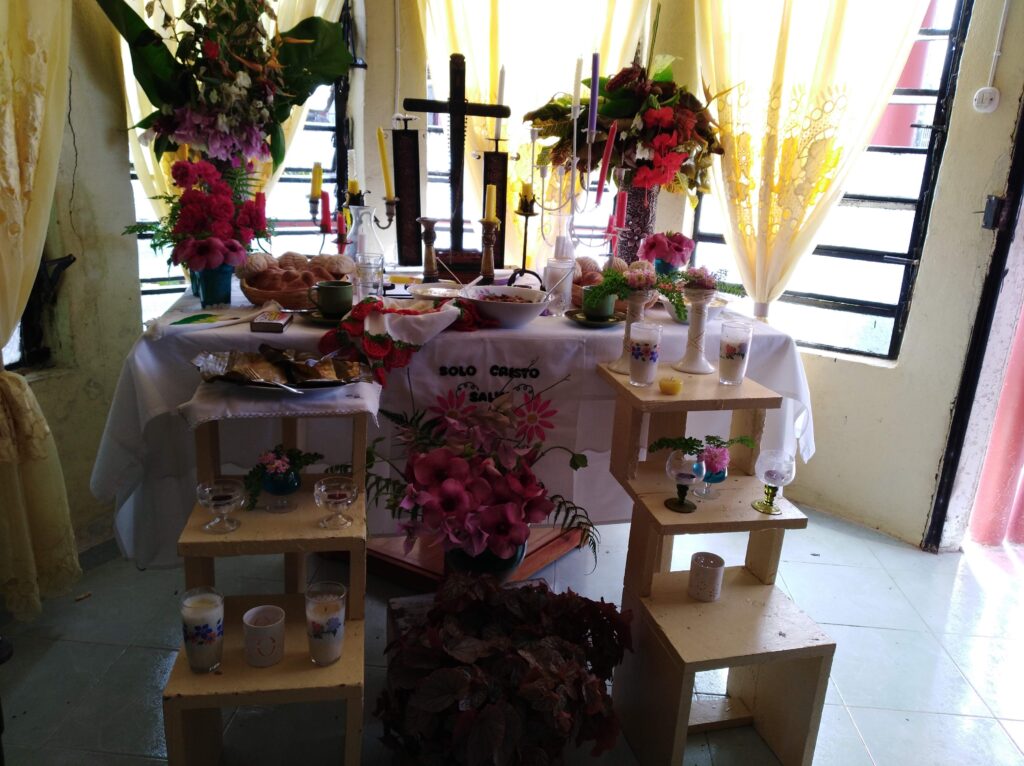
These variations should not necessarily be viewed as contradictions. Instead, they remind us that heritage does not survive exclusively in museums, archaeological sites or history books; it also survives around kitchen tables and in conversations between generations.
Archaeology gives us material traces of ancient relationships with ancestors, historical documents record colonization, migration and religious change, and oral history carries the story into homes, cemeteries and kitchens. Together, they allow us to understand Los Finados not as a frozen remnant of the past, but as ancestral heritage that has endured because people continue to carry it forward.
The Border Came Later
Perhaps that is the most important perspective from which to understand Los Finados in Belize. The Maya cultural landscape existed before Belize, Mexico and Guatemala became modern nations. Borders eventually divided that landscape, while conquest, Catholicism, migration and mestizaje transformed the communities living within it, yet cultural memory continued to move across those boundaries.
Today, one family may speak of Los Finados, while another knows Janal Pixán. Elsewhere, Día de Muertos, All Saints’ Day or All Souls’ Day may be the more familiar expression. The foods differ, the altars change, and even the stories surrounding when the souls begin their journey home can vary from one community or generation to another. Beneath the candles, prayers and food, however, is something that requires very little translation: the love we carry for those who came before us.
We remember them in recipes and stories, in photographs and family names, in the things they taught us and in the traditions we continue because they once showed us how. For a few days each year, that remembrance becomes visible as a favorite meal is prepared, a candle is lit, a grave is tended and familiar names are spoken once again.
The ancestors return because we make a place for them, and perhaps, in the most human sense, they return every time we remember. Because to remember someone is, in its own way, an act of love.