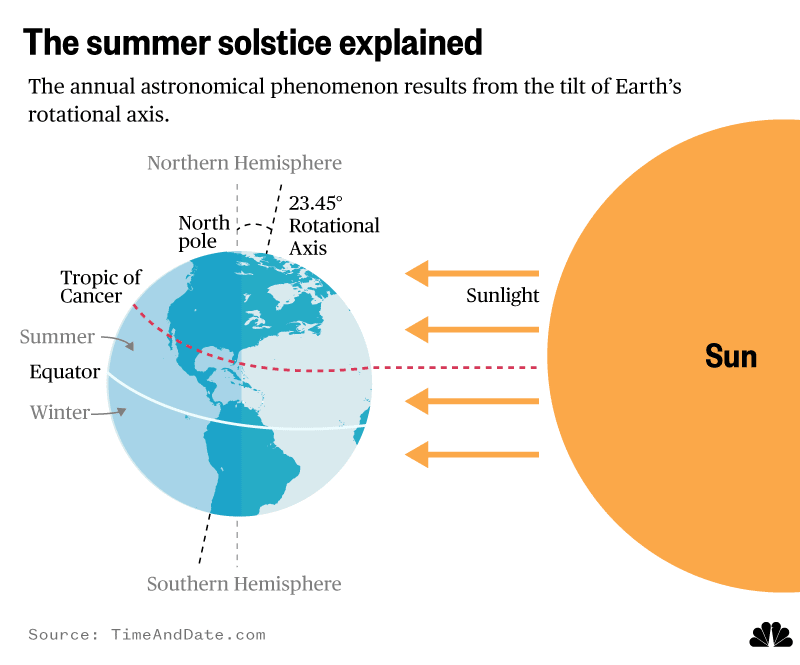
On June 21, 2026, Belize will experience the Summer Solstice, the longest day and shortest night of the year in the Northern Hemisphere. The solstice occurs when the Earth’s Northern Hemisphere is tilted most directly toward the sun, resulting in the greatest amount of daylight of any day of the year. In Belize, the June solstice occurs during the early morning hours of June 21 and brings more than 13 hours of daylight.
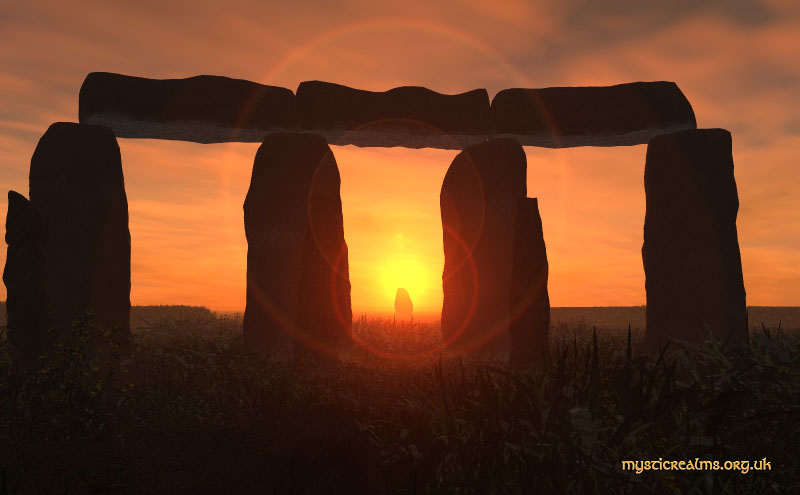
For thousands of years, cultures around the world have marked the Summer Solstice as a time of abundance, renewal, and reflection. From gatherings at Stonehenge in England to seasonal celebrations throughout the Americas, the longest day of the year has long inspired ceremonies, festivals, and traditions that honor humanity’s connection to the natural world.
The Maya and the Movements of the Sun
Long before modern astronomy, the ancient Maya closely observed the movements of celestial bodies and incorporated these observations into their calendars, architecture, agriculture, and ceremonial life.
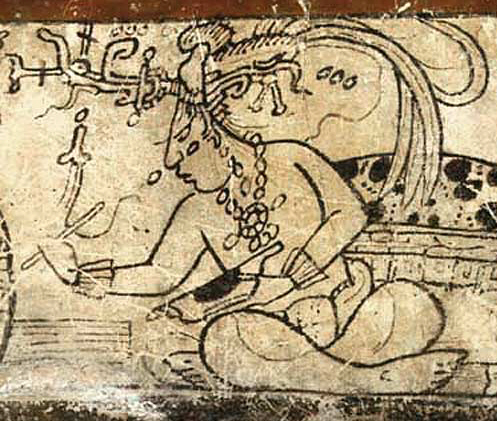
Unlike many Western traditions that focus primarily on the solstices and equinoxes, the Maya also paid close attention to zenith passages, moments when the sun passed directly overhead at certain tropical latitudes. These events created no shadow at midday and held important cultural and agricultural significance throughout the Maya world. The ability to accurately track the movements of the sun demonstrated the remarkable astronomical knowledge of the ancient Maya.
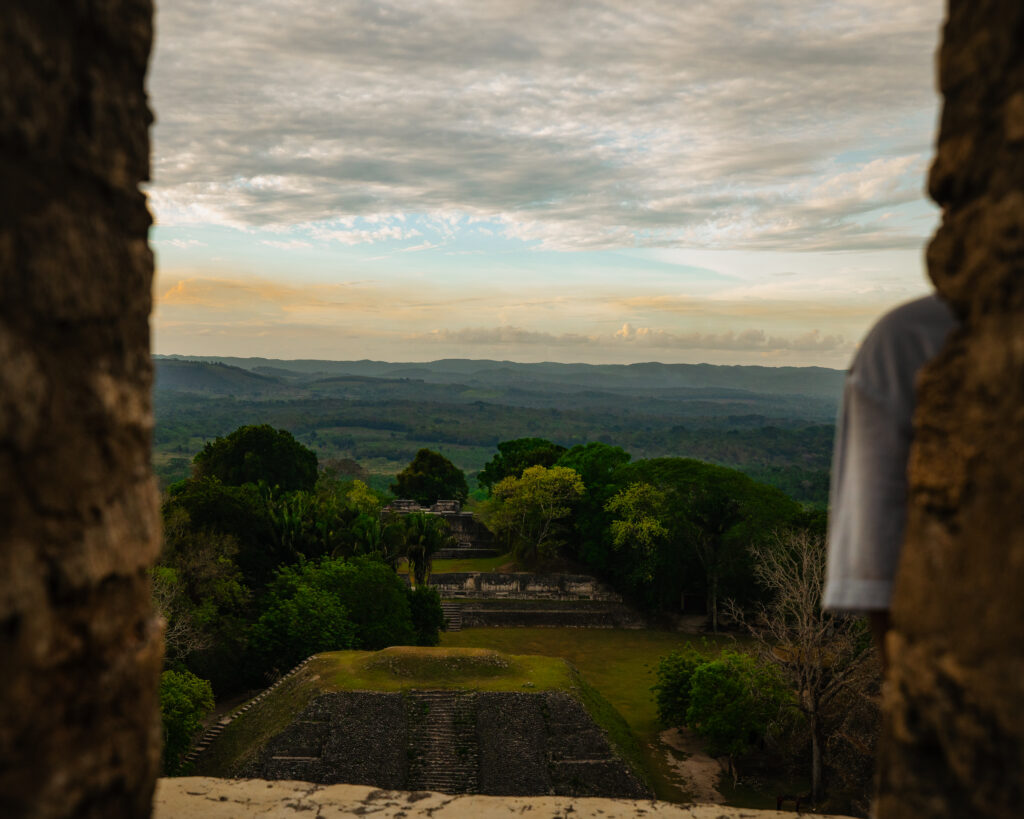
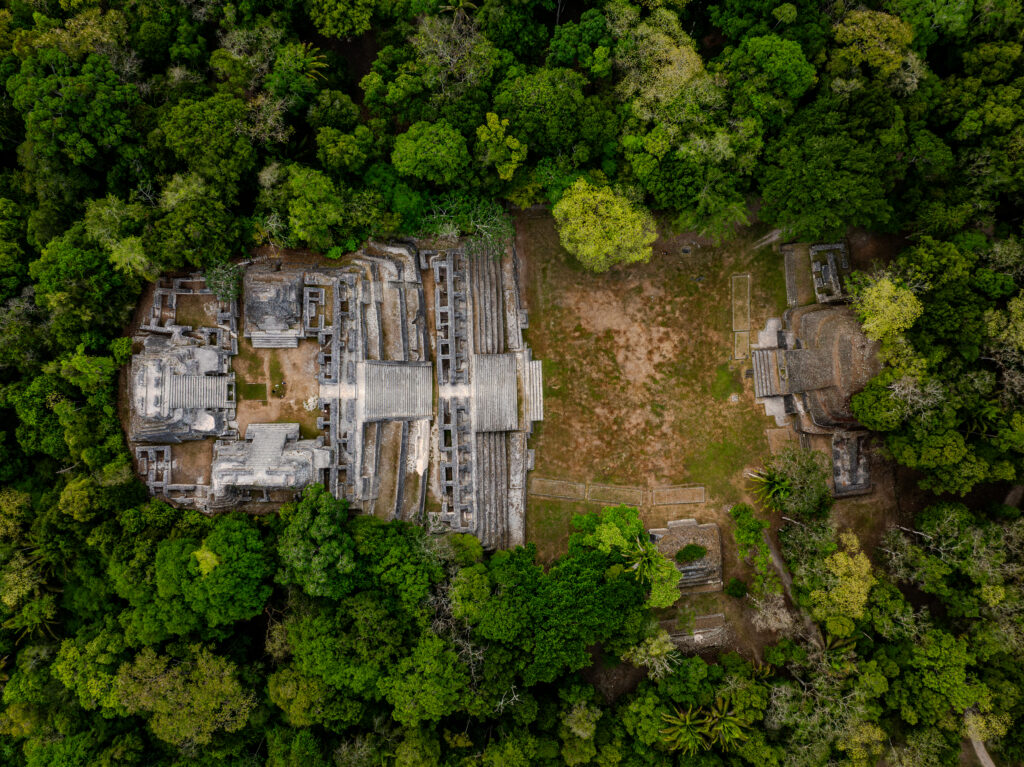
Today, visitors exploring Belize’s archaeological sites can still see evidence of this relationship between the Maya and the heavens. For example, at Caracol, the alignment of the central plazas and temples corresponds to key solar events, while the structures at Xunantunich and Lamanai also exhibit architectural orientations that reflect solar cycles. These temples, plazas, and ceremonial centers throughout Belize reveal a sophisticated understanding of solar cycles and seasonal changes.
Experiencing the Summer Solstice in Belize
The Summer Solstice arrives during one of Belize’s most vibrant times of year. The rainforest is lush and green, wildlife activity is abundant, and the longer daylight hours create additional opportunities for exploration.
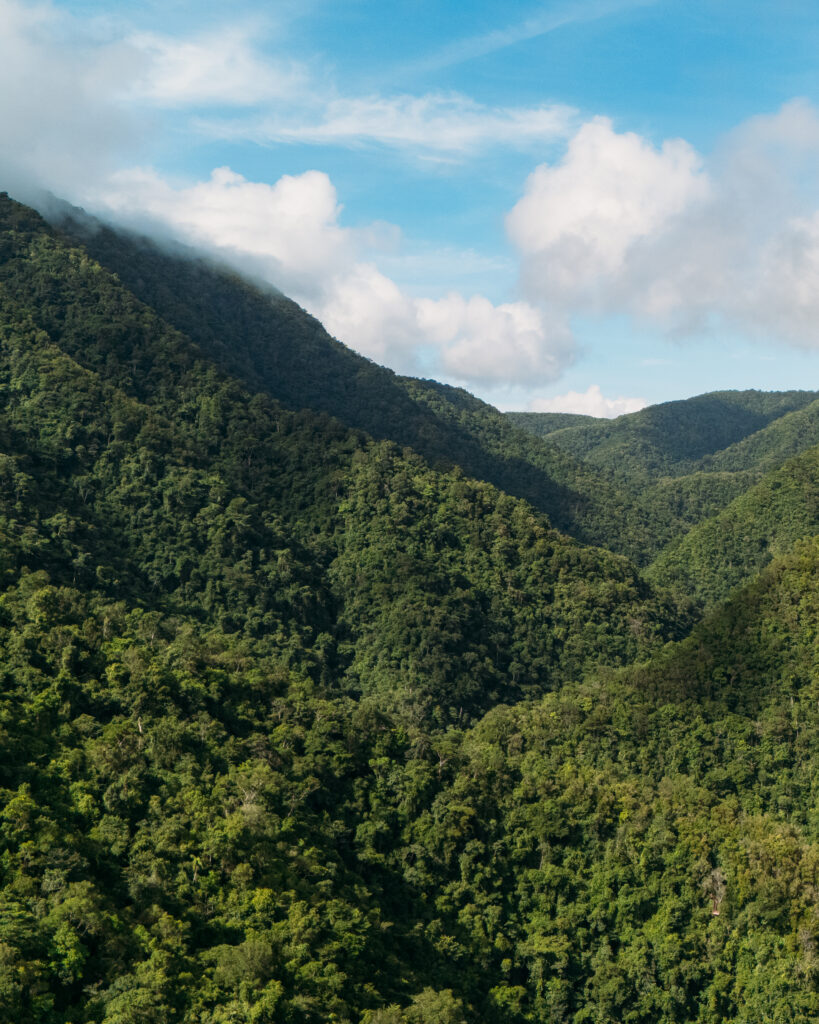
Hike beneath towering rainforest canopies, paddle along the Macal River, birdwatch at dawn, or explore ancient Maya cities such as Xunantunich and Caracol, the solstice serves as a reminder of the enduring connection between nature, culture, and the passage of time.
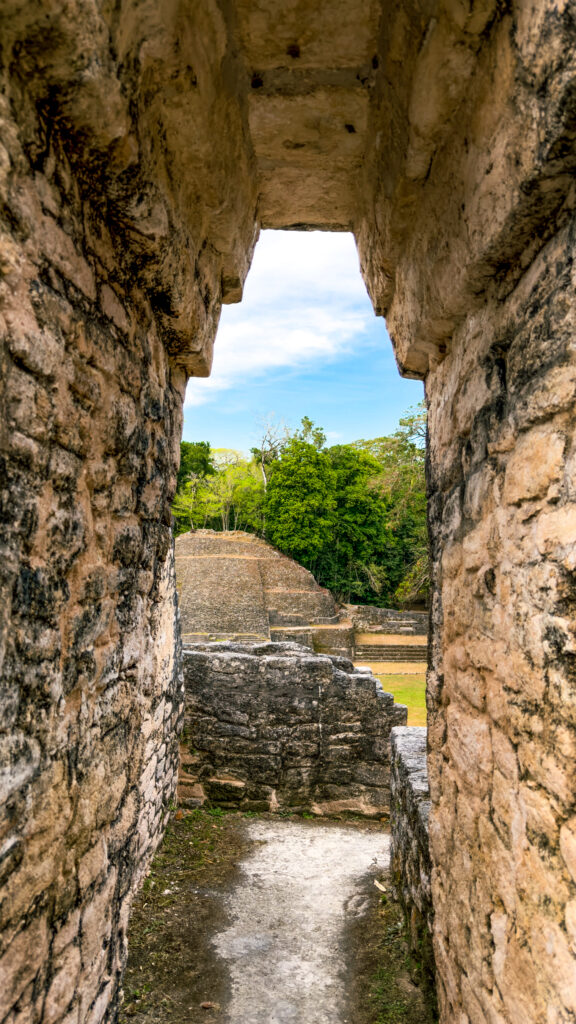
For travelers seeking a deeper understanding of Belize, the Summer Solstice offers the longest day of the year and an opportunity to reflect on the traditions, knowledge, and natural rhythms that have shaped this region for centuries.
Summer Solstice at Chaa Creek
This year, The Lodge at Chaa Creek will mark the Summer Solstice with a special cultural event, The Living Maya, taking place on June 21, 2026, from 5:00 PM to 6:00 PM.
Set within Chaa Creek’s private nature reserve, this immersive experience explores the significance of the Summer Solstice through the lens of Belize’s living Maya culture. Guests will learn about traditional Maya perspectives on celestial events, seasonal cycles, and humanity’s relationship with the natural world.
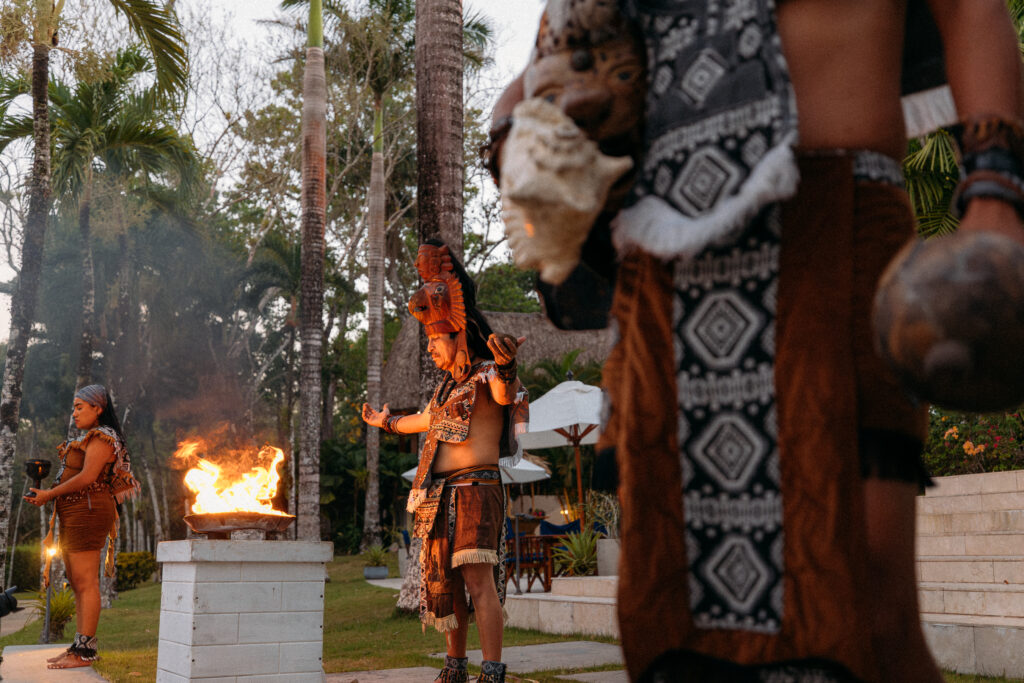
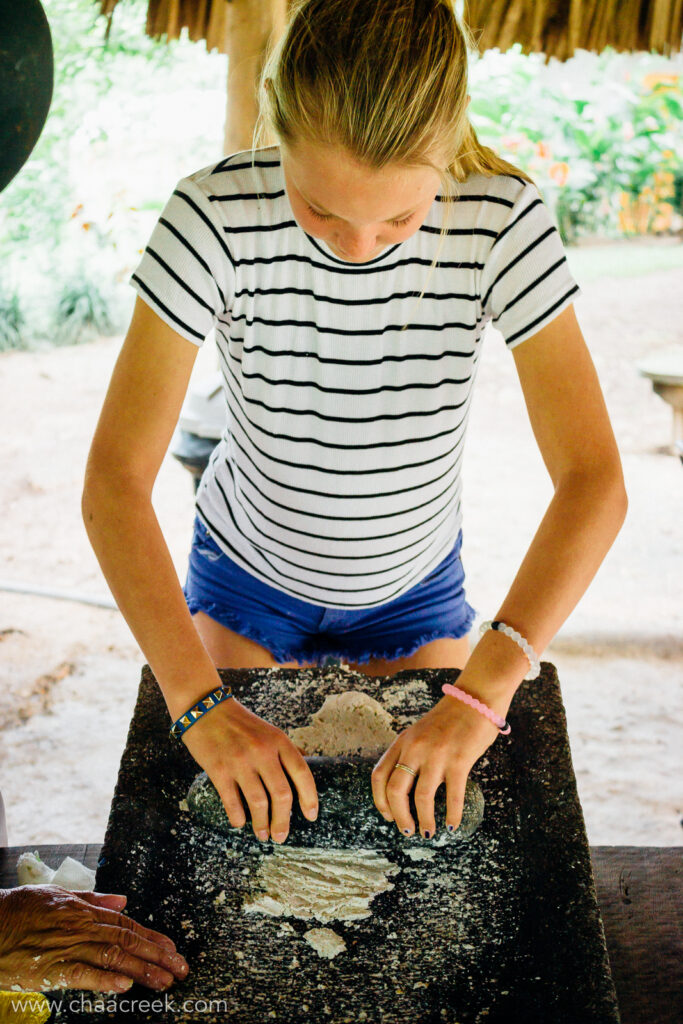
As the sun sets, participants will have the opportunity to engage directly with living Maya traditions that remain active and relevant within Belize’s contemporary cultural landscape. These practices may include a traditional fire-making ceremony and participation in ritual music and dance, and storytelling sessions that convey ancestral cosmologies. Such activities foster cultural transmission and demonstrate the continuity between the region’s ancestral heritage and present-day practices.
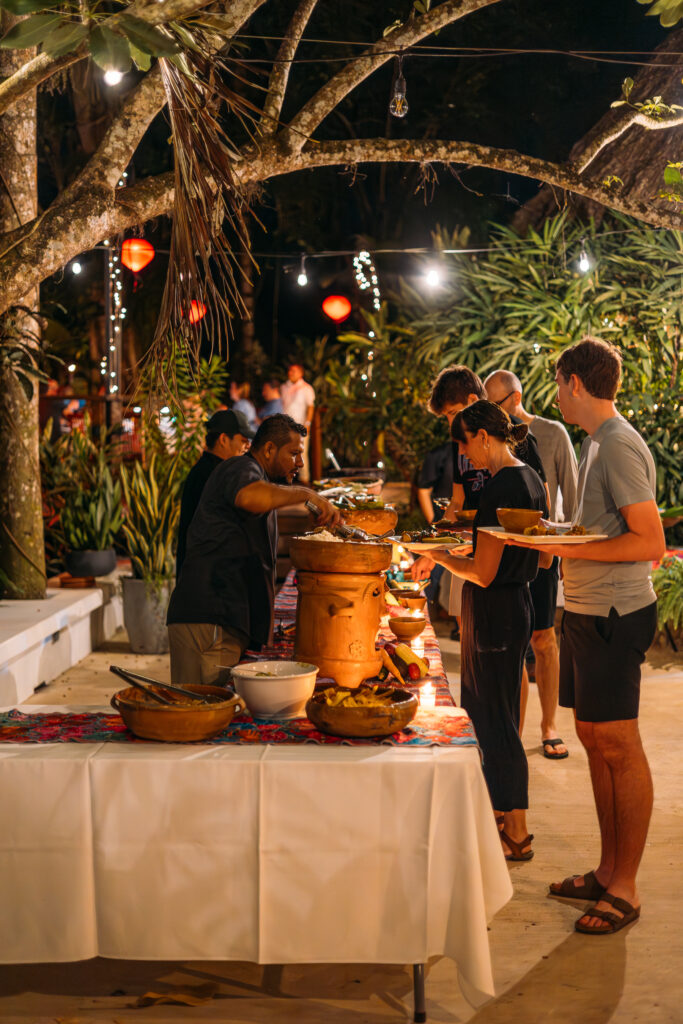
Why the Summer Solstice Still Matters
In an increasingly fast-paced world, the Summer Solstice serves as a reminder of the importance of attuning ourselves to the cyclical patterns inherent in nature. This observance not only encourages reflection on the broader impact of seasonal changes on human life and culture, but also prompts a reconsideration of how aligning with these natural rhythms can foster a greater sense of balance and interconnectedness within contemporary society.
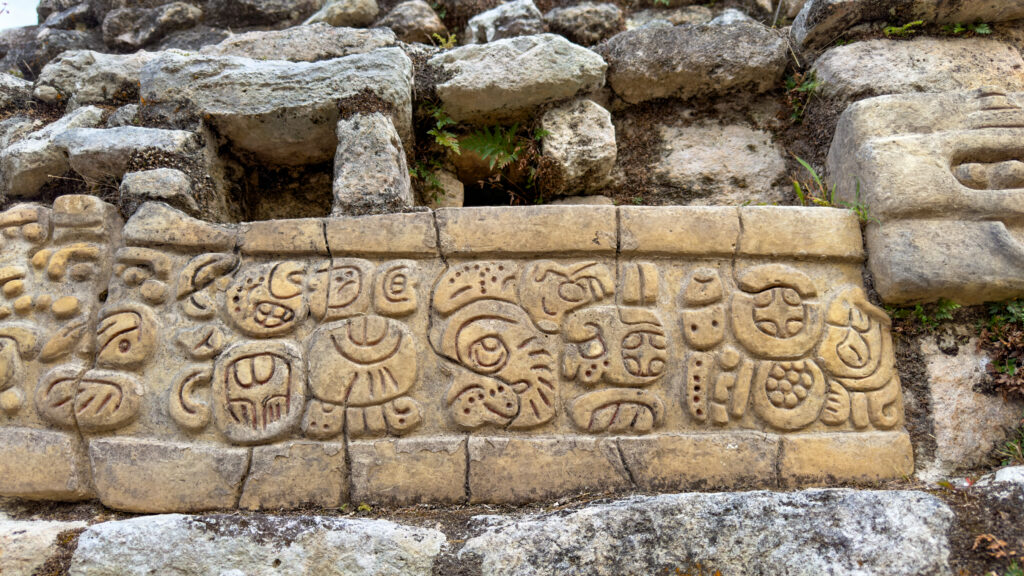
The longest day of the year is an astronomical event and a reminder of our connection to the earth, the changing seasons, and the generations of people who looked to the skies for guidance, meaning, and inspiration.

Here in Belize, where ancient Maya heritage and extraordinary natural beauty remain deeply intertwined, the Summer Solstice serves not only as a time to honor both the past and the present but also as a lens for understanding the enduring relationship between human culture and the rhythms of the natural world. By participating in solstice observances, individuals are invited to reflect on how ancient traditions continue to shape contemporary identities, fostering a deeper appreciation for the interconnectedness of historical legacy, environmental awareness, and cultural continuity in Belize.
Planning Your Visit
If you’re visiting Belize this June, or considering spending your summer break immersed in the rainforest, exploring ancient Maya sites, and experiencing firsthand the cultural traditions that continue to make Belize one of the most fascinating destinations in Central America, contact us at [email protected] to book your stay.