From the Caribbean shores of Honduras and Guatemala to the coastal communities of Belize, Garifuna music tells a remarkable story of ancestry, cultural exchange and the enduring power of tradition.
Along the Caribbean coast of Central America, the sound of Garifuna drums carries a history that extends far beyond national borders. Its rhythms have accompanied generations through celebrations, ceremonies, storytelling and everyday life, preserving a cultural identity shaped by African and Indigenous Caribbean ancestry.
In Belize, Honduras and Guatemala, Garifuna communities share a musical heritage that continues to evolve while maintaining its connection to the past. From the expressive melodies of paranda to the unmistakable energy of punta, music remains one of the most powerful expressions of Garifuna identity.
For Belize, this shared heritage has also become an important part of the country’s cultural and musical landscape. Through the creativity of pioneering artists, the dedication of traditional musicians and the influence of international collaborations, Garifuna music has found audiences around the world while remaining closely connected to the communities that sustain it.
A Musical Heritage Born in the Caribbean
The origins of Garifuna culture can be traced to the Caribbean island of Saint Vincent, known to the Garifuna people as Yurumein. Here, the histories of Indigenous Caribbean peoples, particularly the Kalinago, and Africans who had escaped enslavement or arrived through shipwrecks became intertwined during the seventeenth and eighteenth centuries.
Over generations, these communities developed a distinct Afro-Indigenous cultural identity, bringing together elements of African and Indigenous Caribbean heritage through language, spirituality, food, dance and music. This cultural exchange contributed to the emergence of the Garifuna people, whose traditions would eventually become an important part of Central America’s Caribbean identity.
Following conflicts with British colonial forces, thousands of Garifuna were forcibly exiled from Saint Vincent in 1797 to the island of Roatán, off the coast of present-day Honduras. From there, Garifuna communities expanded along the Caribbean coast, establishing settlements in Honduras, Guatemala, Belize and Nicaragua. Despite geographical separation, their shared language, music and cultural practices maintained connections between communities. African and Indigenous Caribbean musical influences, together with centuries of cultural exchange, helped shape the distinctive musical expressions heard today, including punta and paranda.
These traditions became important ways of preserving collective memory, communicating experiences and passing cultural knowledge between generations. In recognition of their cultural significance, UNESCO proclaimed the language, dance and music of the Garifuna a Masterpiece of the Oral and Intangible Heritage of Humanity in 2001. These traditions were subsequently inscribed on the Representative List of the Intangible Cultural Heritage of Humanity in 2008.
The Language of the Drums: Punta, Paranda and Tradition
At the heart of Garifuna music is the drum, an instrument that serves as both a musical foundation and an important expression of cultural continuity. Traditional Garifuna drumming commonly features two drums: the primero, which introduces improvisational rhythms, and the segunda, which maintains a steady rhythmic foundation. Accompanied by shakers, singing and dance, these instruments create a distinctive musical language.
Among the best-known Garifuna musical traditions is punta, recognized for its lively percussion, call-and-response vocals and energetic dance movements. Associated with social gatherings and commemorative occasions, punta has evolved into one of the most recognizable expressions of Garifuna music.
Paranda, meanwhile, offers a different musical character. Incorporating acoustic guitar alongside traditional percussion, it is often reflective and melodic, with songs exploring love, memory, personal experiences and community life. Its development reflects the musical exchanges that occurred along the Central American coast, particularly through contact with Spanish-speaking communities.
Other traditional forms, including hüngü-hüngü, chumba and wanaragua, contribute to the richness of Garifuna musical expression. Each carries its own rhythmic characteristics, performance traditions and cultural associations.
Together, these musical expressions demonstrate the diversity of Garifuna traditions. Some accompany social celebrations, while others have specific ceremonial or spiritual meanings that remain closely connected to community life. The music is therefore inseparable from the language, history and cultural knowledge of the Garifuna people.
A Shared Sound Across Honduras, Guatemala and Belize
As Garifuna communities established themselves along Central America’s Caribbean coastline, their musical traditions continued to develop through local experiences and regional exchange.
In Honduras, home to a substantial Garifuna population, musicians have maintained strong traditions of drumming, singing and paranda. Coastal communities have produced generations of performers whose work reflects the everyday experiences and cultural memory of the Garifuna people.
In Guatemala, particularly around Livingston on the Caribbean coast, Garifuna music remains an important expression of community identity. Traditional rhythms coexist with contemporary musical influences, illustrating the continuing relationship between cultural preservation and artistic creativity.
In Belize, Garifuna music became an influential part of the country’s wider musical identity, particularly through the development of punta rock and the international recognition of Belizean Garifuna musicians. These developments were never entirely separate. Musicians, families and communities maintained connections across the region, exchanging songs, instruments, musical techniques and ideas.
The result is a musical heritage with regional variations, yet a recognizable cultural identity that continues to connect Garifuna communities throughout Central America.
Belize and the Birth of Punta Rock
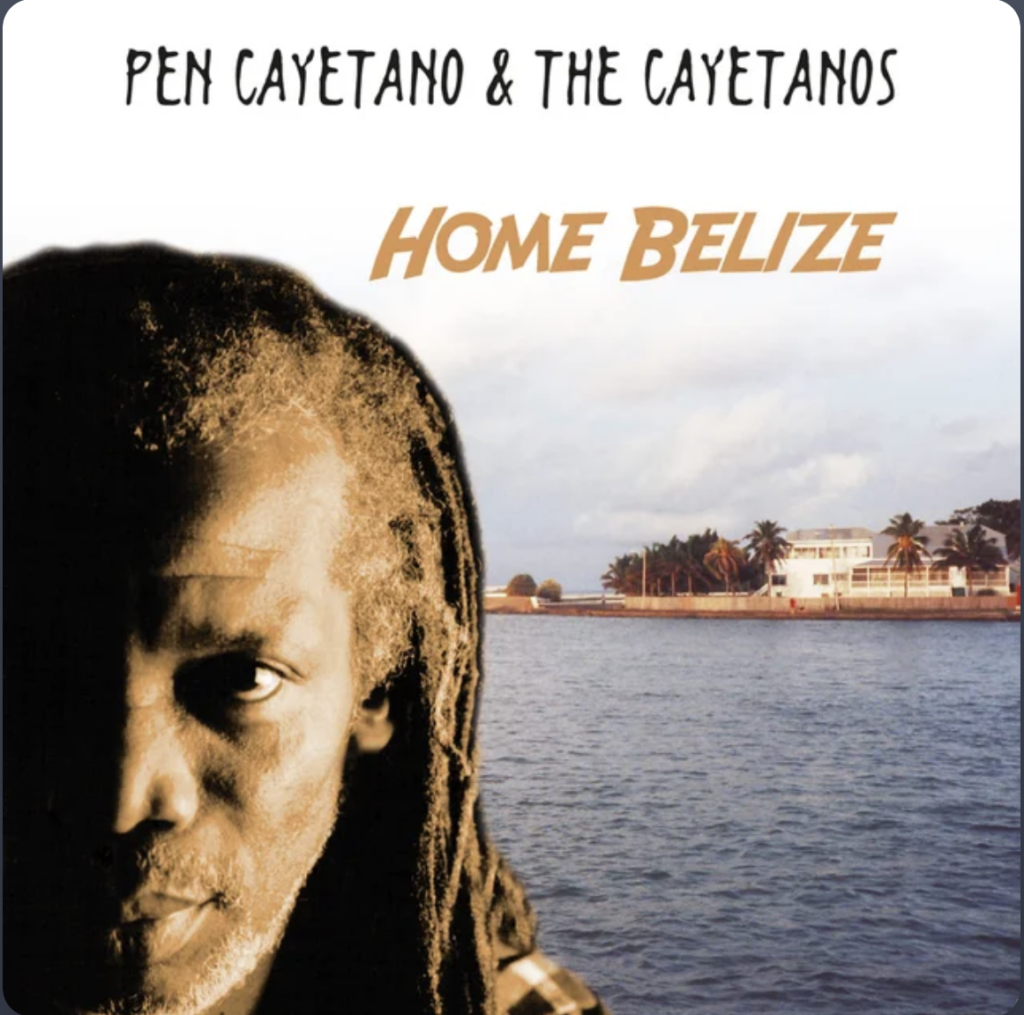
One of Belize’s most significant contributions to contemporary Garifuna music emerged in Dangriga during the late 1970s. It was here that Belizean musician and visual artist Pen Cayetano began experimenting with traditional Garifuna rhythms, introducing new instrumentation and a contemporary musical approach that would become known as punta rock.
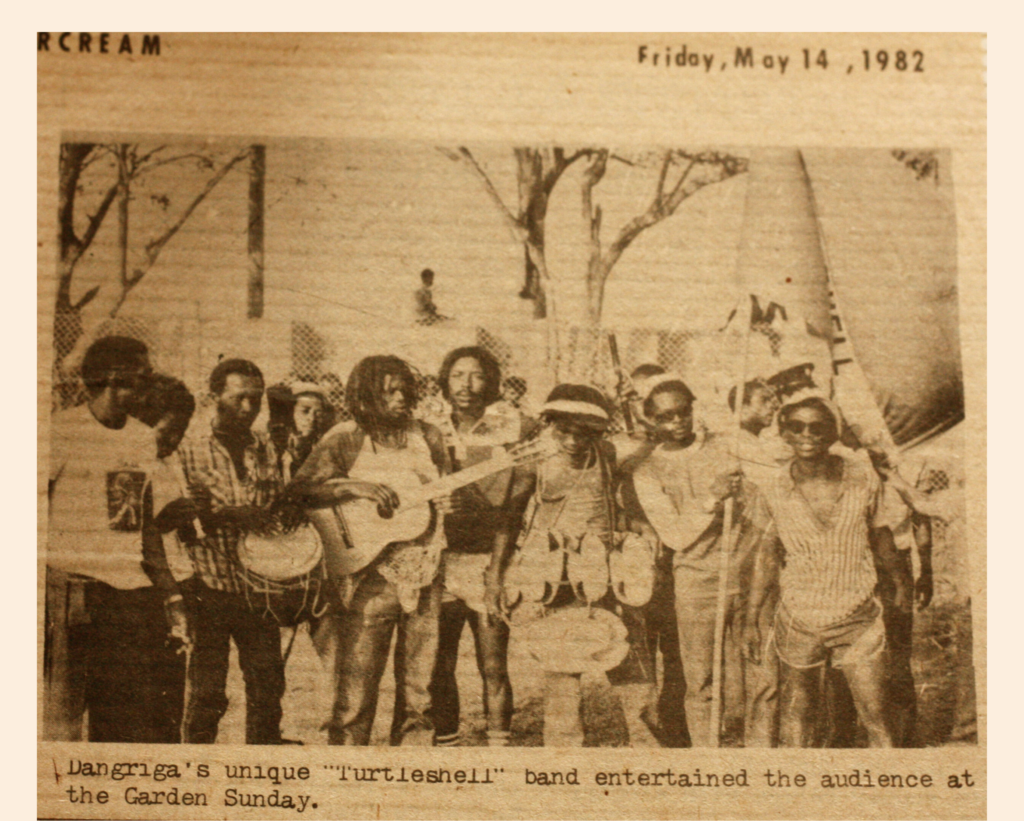
Working with musicians who formed the Turtle Shell Band, Cayetano combined traditional percussion with electric guitar and other modern influences, creating an energetic sound that appealed to younger audiences.
The innovation was significant. At a time when popular music from abroad increasingly influenced Belizean youth, punta rock created an opportunity for Garifuna language, rhythms and cultural expression to reach new generations. Its popularity soon extended beyond Dangriga, finding audiences throughout Belize and eventually among Garifuna communities and music enthusiasts abroad.
Punta rock also became an important form of cultural expression, allowing musicians to address social issues, celebrate their heritage and explore contemporary experiences through music. Over time, the genre helped shape the sound of Belizean popular music, demonstrating how traditional cultural expressions could evolve while maintaining meaningful connections to their origins.
Andy Palacio and the International Recognition of Garifuna Music
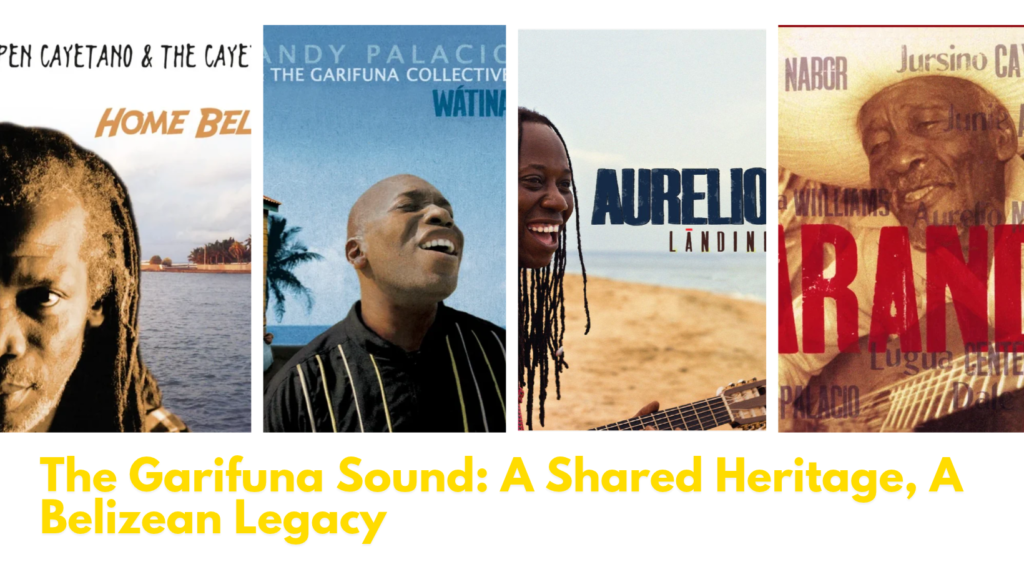
Few artists have had as profound an influence on the international recognition of Belizean Garifuna music as Andy Palacio. Born in the southern Belizean village of Barranco, Palacio grew up surrounded by Garifuna language, music and traditions. His early musical career included punta rock, but his interests eventually expanded toward documenting and preserving older musical forms.
Palacio recognized that the preservation of Garifuna music was closely connected to the survival of the Garifuna language and the cultural knowledge carried through traditional songs. Working alongside Belizean producer Ivan Duran, he brought together musicians from different generations and communities to create an important body of recordings.
Their collaboration culminated in the internationally acclaimed 2007 album Wátina, recorded with the Garifuna Collective. Rather than emphasizing the electronic sounds associated with contemporary punta rock, Wátina drew attention to the acoustic instrumentation, traditional rhythms and expressive storytelling of Garifuna music.
The album featured contributions from respected musicians, including Belizean paranda master Paul Nabor, whose work represented an important connection to earlier generations of Garifuna musical traditions.
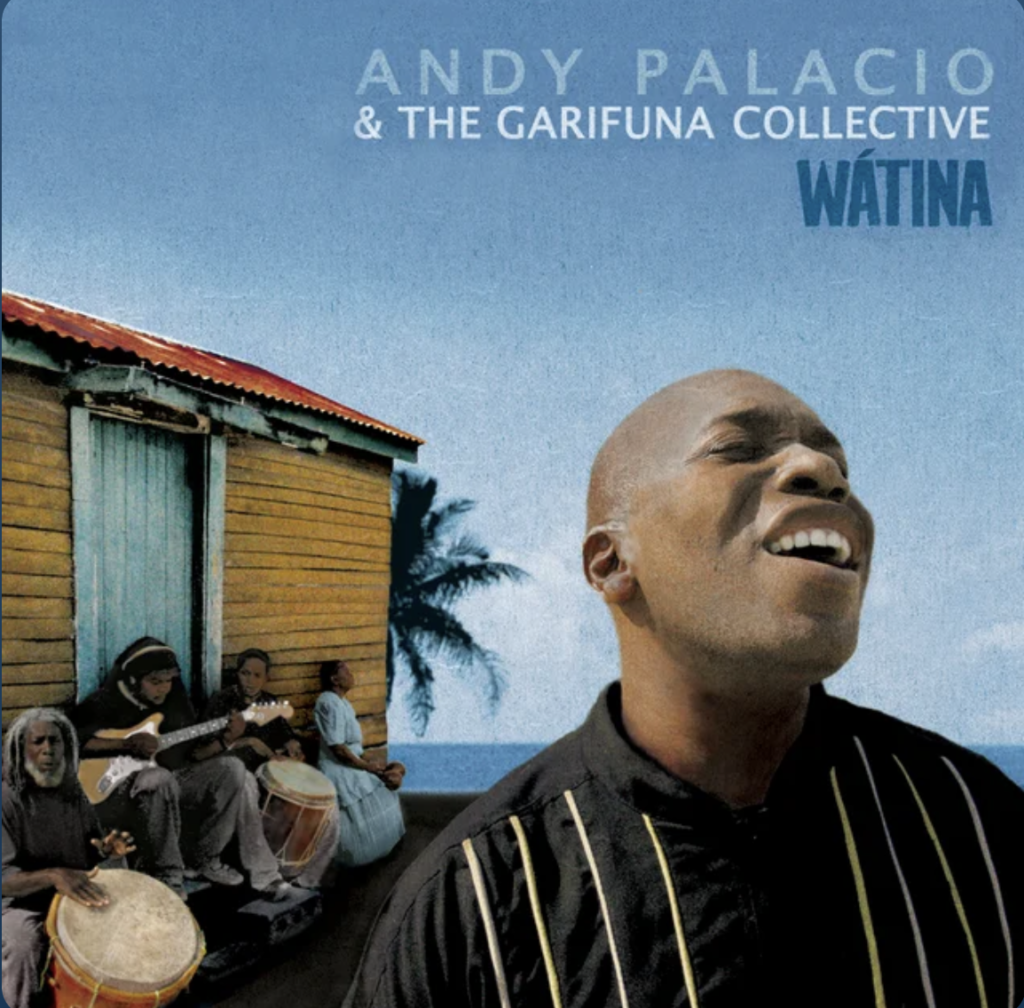
Its international success introduced new audiences to the richness of Garifuna music while demonstrating the importance of preserving cultural knowledge through artistic collaboration.
Palacio received international recognition for his contributions, including being named a UNESCO Artist for Peace in 2007. Although he passed away in 2008, his influence continues through the musicians, recordings and cultural initiatives that followed.
Aurelio Martínez: From Honduras to the Recording Studios of Belize
The musical relationship between Belize and Honduras is particularly evident in the work of Aurelio Martínez, the celebrated Honduran Garifuna singer, songwriter and guitarist. Known for his expressive voice and distinctive interpretation of paranda, Aurelio became one of the most influential international representatives of Garifuna music.
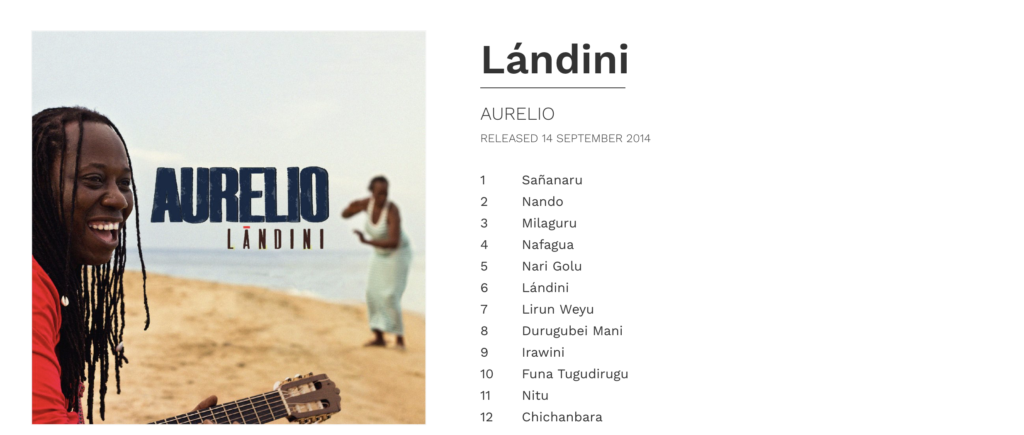
His work explored themes of ancestry, belonging, love and cultural identity, often drawing inspiration from the musical traditions of his childhood in the coastal Honduran community of Plaplaya. His relationship with Belizean musicians, particularly Andy Palacio and Ivan Duran, became an important part of his artistic journey. One of the most compelling examples of this collaboration was his 2014 album Lándini.
Lándini: A Honduran Story Recorded in Benque Viejo del Carmen
Although deeply inspired by Aurelio’s upbringing in Honduras, Lándini was recorded at Stonetree Records in Benque Viejo del Carmen, a town in western Belize’s Cayo District.
Produced by Ivan Duran, the album brought together Aurelio’s personal musical heritage and the creative expertise of Belize’s internationally respected recording community. The project was especially meaningful to Aurelio, drawing on songs and musical memories associated with his family, particularly his mother, whose influence helped shape his earliest experiences with music.
Through its acoustic arrangements, expressive guitar melodies, and Garifuna-language storytelling, Lándini offered an intimate exploration of family, memory, and cultural identity. Its creation in Benque Viejo del Carmen also illustrates an interesting dimension of Belize’s contribution to Garifuna music.
Far from the coastal communities most closely associated with Garifuna culture, a recording studio in western Belize became the setting for an album celebrating the traditions of a Honduran Garifuna musician.
It was a collaboration that reflected the cultural relationships connecting Belize and Honduras, demonstrating how music could bring together artists and experiences from different parts of Central America. Released internationally in 2014, Lándini further strengthened Aurelio’s reputation as one of the leading voices of contemporary Garifuna music. Following his passing in March 2025, Aurelio’s recordings remain an important part of his artistic legacy. His contributions, alongside those of Andy Palacio and Paul Nabor, continue to demonstrate the significance of collaboration in preserving and sharing Garifuna musical heritage. Now his son Newani Martinez continues his legacy.
View this post on Instagram
The Garifuna Collective: Carrying the Music Forward
The international success of Wátina and the work of musicians such as Andy Palacio and Aurelio Martínez helped establish a wider audience for traditional Garifuna music.
The Garifuna Collective, an ensemble associated with Belize’s Stonetree Records, has continued this musical journey through recordings, performances and collaborations that celebrate the diversity of Garifuna traditions.
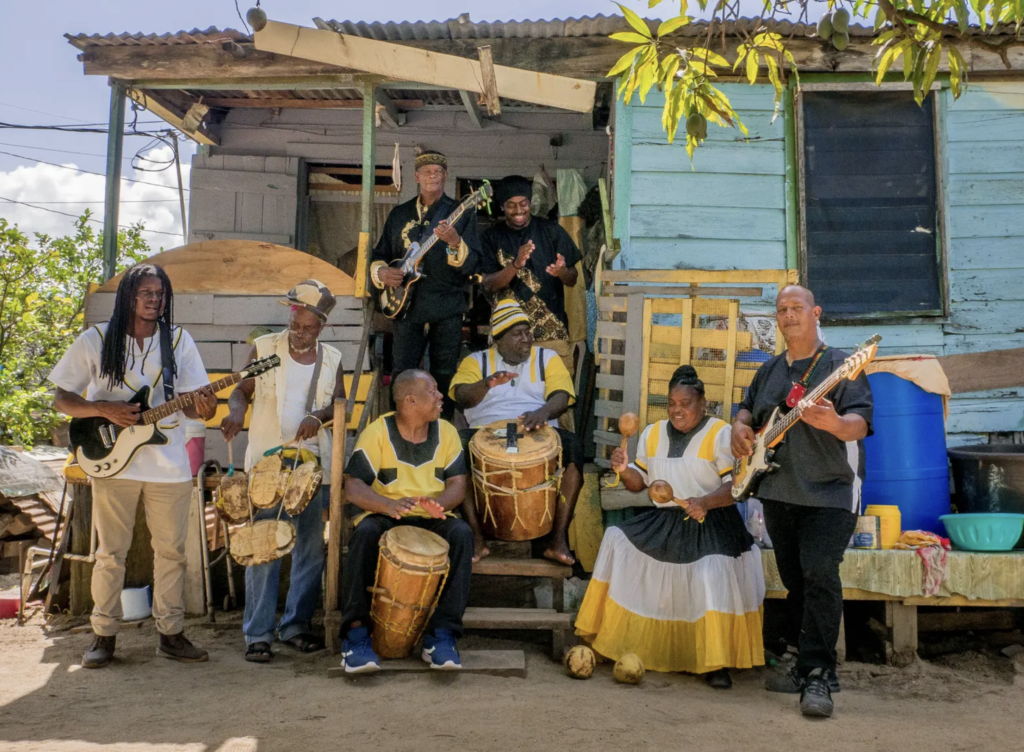
Bringing together musicians with different experiences and musical backgrounds, the Collective has helped introduce international audiences to the sounds of paranda, punta and other traditional forms. Its work reflects the importance of collaboration between generations, particularly as younger performers learn from established musicians and reinterpret traditional musical expressions.
The continued international presence of Garifuna artists also highlights the influence of Belize’s creative community, from performers and composers to producers and recording studios. Through these efforts, Belize has become an important center for the recording, development and international presentation of Garifuna music.
Celebrating Garifuna Heritage in Belize: From the Drums to Settlement Day
The influence of Garifuna music in Belize extends well beyond recording studios and concert stages. Its rhythms remain an essential part of community life, accompanying celebrations, cultural ceremonies and gatherings that bring generations together.
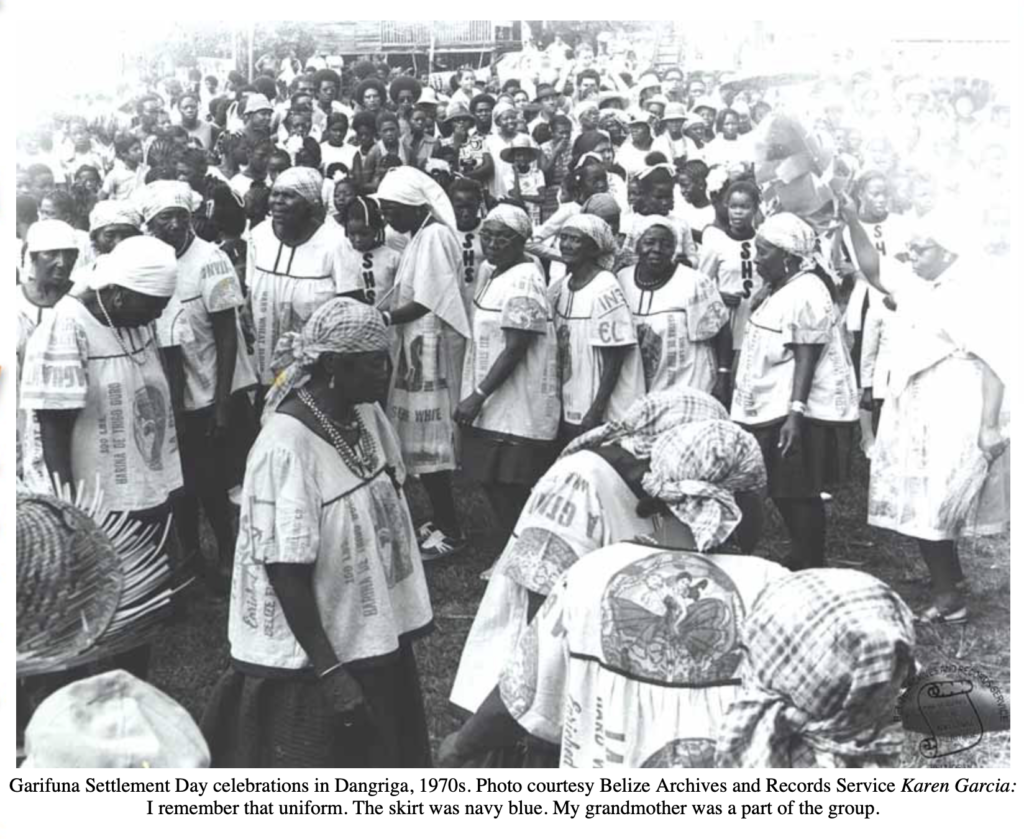
Each November, this musical heritage takes on particular significance as Belize prepares to commemorate Garifuna Settlement Day, celebrated annually on November 19. The national holiday honors the arrival and settlement of the Garifuna people in Belize, particularly the historic arrival of a large group in 1823, and recognizes their enduring contributions to the country’s cultural identity.
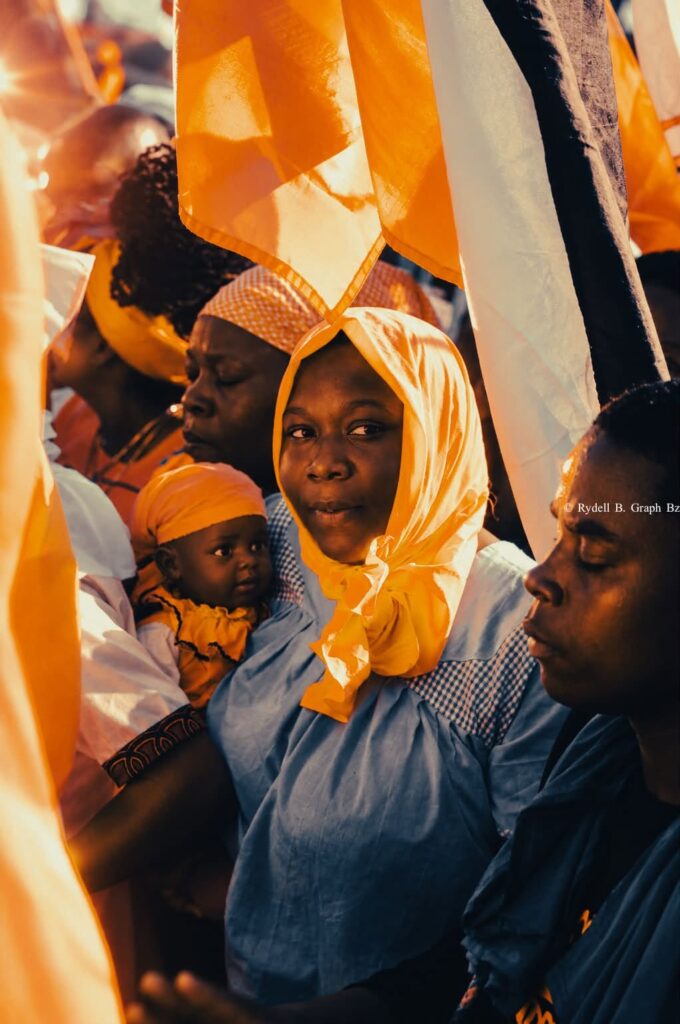
The celebrations have a history of their own. In the 1940s, Garifuna community leader Thomas Vincent Ramos, alongside Mateo Avaloy and C. S. Benguche, advocated for official recognition of the occasion. What began as a local observance in southern Belize eventually became a nationwide public holiday in 1977. Today, Garifuna Settlement Day is among Belize’s most significant cultural celebrations, bringing together history, music, language, spirituality and community pride.
November 19: The Journey Remembered
In communities such as Dangriga, Hopkins, Seine Bight, Punta Gorda and Barranco, the celebrations often begin before sunrise with Yurumein, a reenactment of the ancestral Garifuna journey from Saint Vincent through Honduras to Belize.
As decorated boats approach the shoreline, the sound of traditional drums and singing accompanies participants portraying the arrival of their ancestors. The reenactment is a powerful expression of remembrance, honoring the experiences, resilience and determination of earlier generations. Throughout the day, communities gather for processions, thanksgiving services, cultural performances and traditional food. The sounds of punta, paranda and Garifuna drumming fill the streets, accompanied by dance and the familiar aromas of dishes such as hudut, cassava bread and fish serre.
The celebrations also extend throughout November, with cultural exhibitions, educational activities, pageants and musical performances organized by Garifuna communities and cultural organizations across Belize. Among the most distinctive musical events is the Battle of the Drums in Punta Gorda, a celebration of traditional Garifuna percussion that brings together performers from Belize and neighboring Central American countries.
View this post on Instagram
Established in 2006, the competition has grown into an important platform for showcasing traditional drumming styles, including punta, paranda, hüngü-hüngü, chumba and wanaragua. Its participation by musicians from Belize, Honduras and Guatemala reflects the shared musical heritage explored throughout this article. In western Belize, communities such as San Ignacio also observe Garifuna Settlement Day through cultural presentations and community activities, demonstrating how Garifuna heritage is celebrated beyond the country’s Caribbean coastline.
A Culture Celebrated Throughout the Year
Although November brings national attention to Garifuna history and traditions, cultural preservation continues throughout the year.
Community celebrations, traditional drumming performances, dance workshops, and educational initiatives provide opportunities for younger generations to engage with their heritage. In some communities, Wanaragua, also known as Jankunu, is performed during the Christmas and New Year period. Recognized for its elaborate costumes, masks and intricate dance movements, this tradition adds another distinctive expression to the Garifuna cultural calendar.
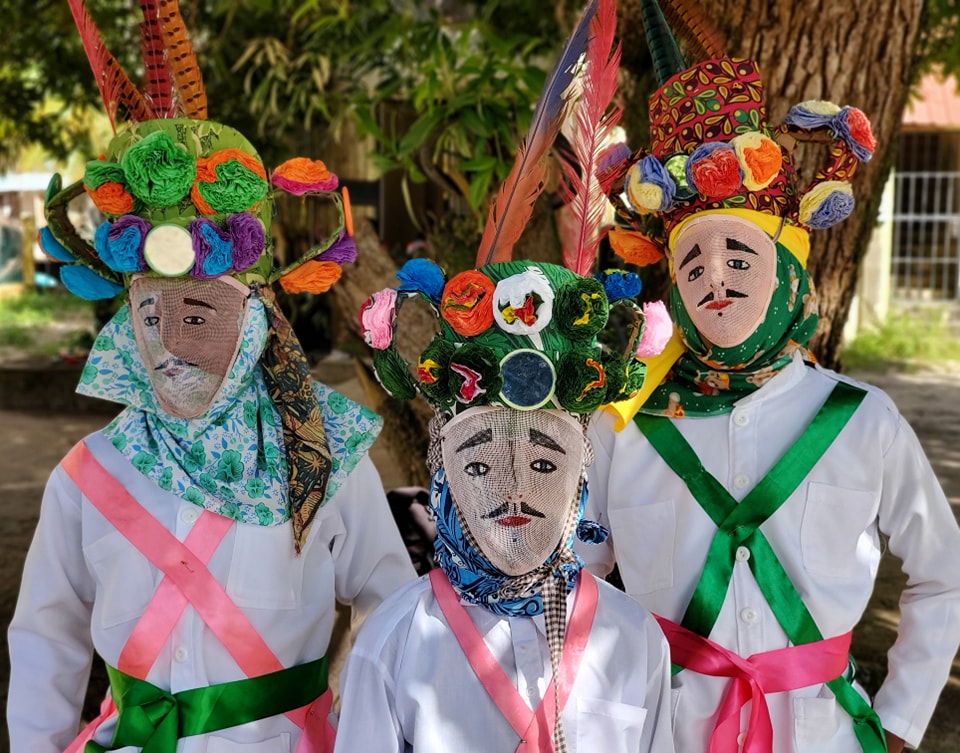
November also includes commemorations honoring Thomas Vincent Ramos and other important Garifuna cultural figures, alongside community events that celebrate language, music and traditional knowledge. These occasions are particularly meaningful because they keep music connected to the communities and traditions from which it emerged. They also give visitors opportunities to learn about Garifuna heritage through experiences led by the people who continue to practice and preserve it.
A Musical Legacy That Continues
From the Afro-Indigenous beginnings of Garifuna culture on Saint Vincent to the coastal communities of Central America, music has accompanied a remarkable journey across centuries and borders.
Belize has played an important role in that journey. Through the innovation of Pen Cayetano, the international recognition of Andy Palacio and Paul Nabor, the collaborations of Ivan Duran and Aurelio Martínez, and the continuing work of the Garifuna Collective, the country has contributed significantly to the preservation and evolution of Garifuna music.
Yet the greatest expression of this heritage remains within the communities themselves, where songs are remembered, drums are played and traditions continue to be shared between generations.
Each November 19, as the first boats approach Belize’s shores during the Yurumein reenactment, the sound of the drums offers a powerful reminder of the history that connects the Garifuna people. It is a history shared across Belize, Honduras, Guatemala and beyond, carried forward through a musical tradition that continues to shape the cultural identity of Central America.