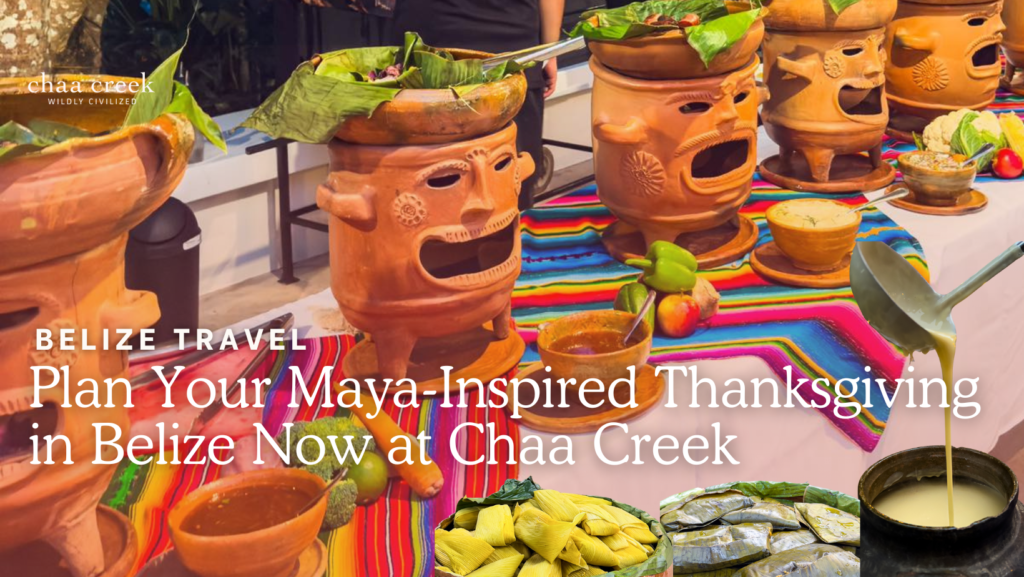
A Journey into Time, Tradition, and Tranquility
Belize is a land where history is carved into ancient stone temples and whispered through the dense jungles that stretch across its heart. Once the thriving center of the Maya world, it was home to great cities such as Caracol, Xunantunich, and Lamanai, sophisticated hubs of knowledge, spirituality, and trade. The Maya left behind advanced achievements in astronomy, mathematics, and timekeeping that continue to inspire awe today.
Yet the Maya are not only Belize’s past; they remain an integral part of its present. Across the country, Maya communities preserve their heritage through language, cuisine, ceremonies, and seasonal rituals. In November, these living traditions come to life in meaningful ways, offering visitors a rare chance to connect with a culture that bridges thousands of years. At Chaa Creek, you can experience this seamless blend of history and living heritage, where the Maya spirit continues to shape Belize’s story.
Hanal Pixán or Finados – The Maya Day of the Dead (Nov 1–2)
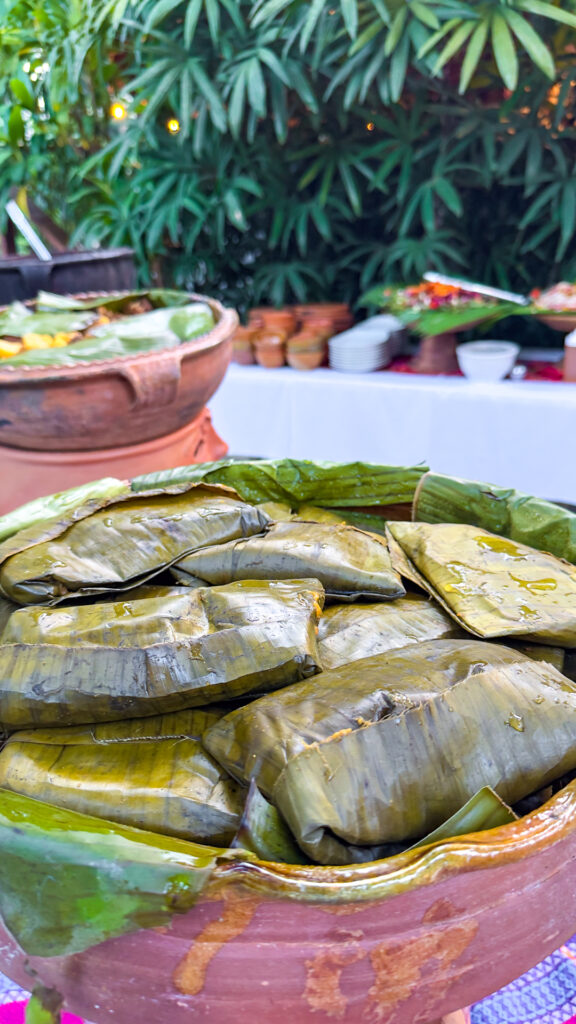
The beginning of November is marked by Hanal Pixán, a Yucatec Maya tradition meaning “Food for the Souls.” It is also known as “Finados. ” During this time, families prepare altars adorned with candles, flowers, incense, and photographs to welcome the spirits of departed loved ones back home. At the heart of these offerings is mucbil pollo, a large tamal wrapped in banana leaves and baked underground, prepared especially to nourish the returning souls.
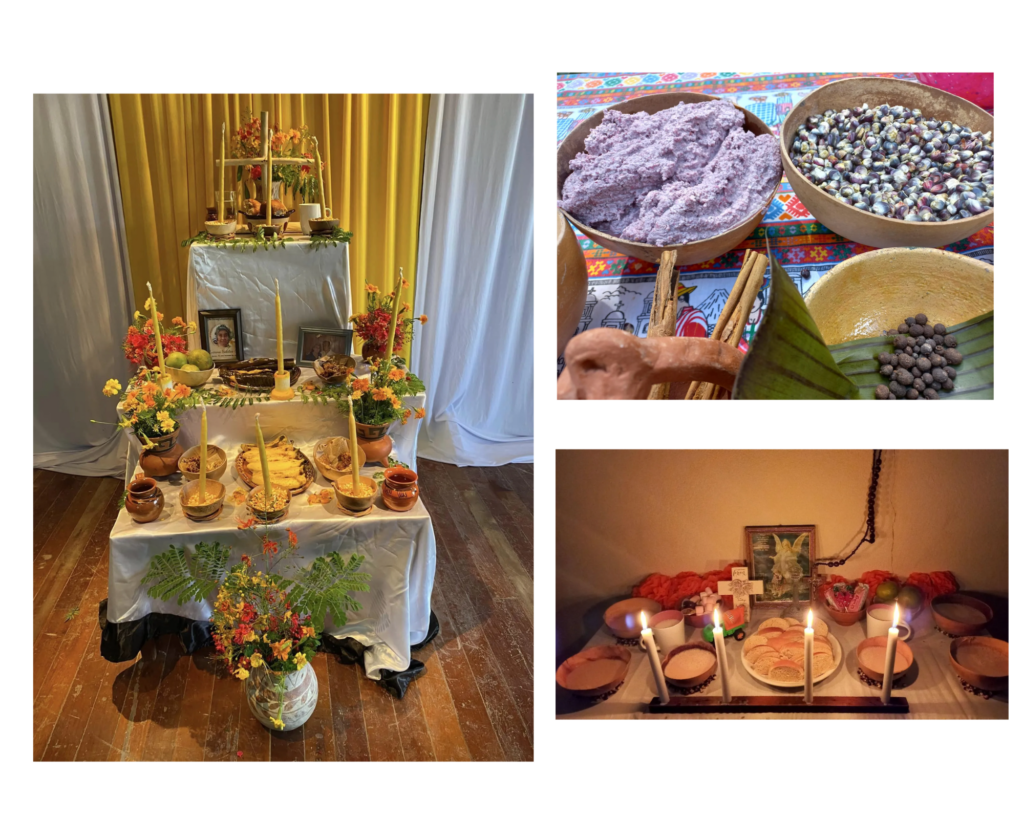
Unlike the vibrant Día de los Muertos celebrations in Mexico, Hanal Pixán (Finados) is more intimate, embedded in quiet reflection and familial devotion. To experience it is to witness how food, memory, and ritual unite generations. For travelers, it offers a profound insight into the Maya worldview, where honoring the departed is an act of love that continues to shape community life.
The Maya Calendar & Seasonal Shifts (“Haab”)
November also marks a significant shift in the natural cycle, signifying the end of the rainy season and the onset of the dry season. For the Maya, this transition was vital for agriculture, ceremony, and social life, and it was carefully recorded through their remarkable calendars.
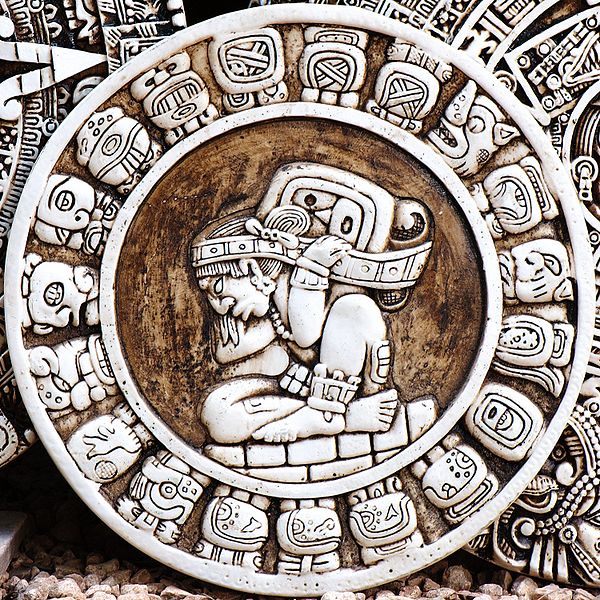
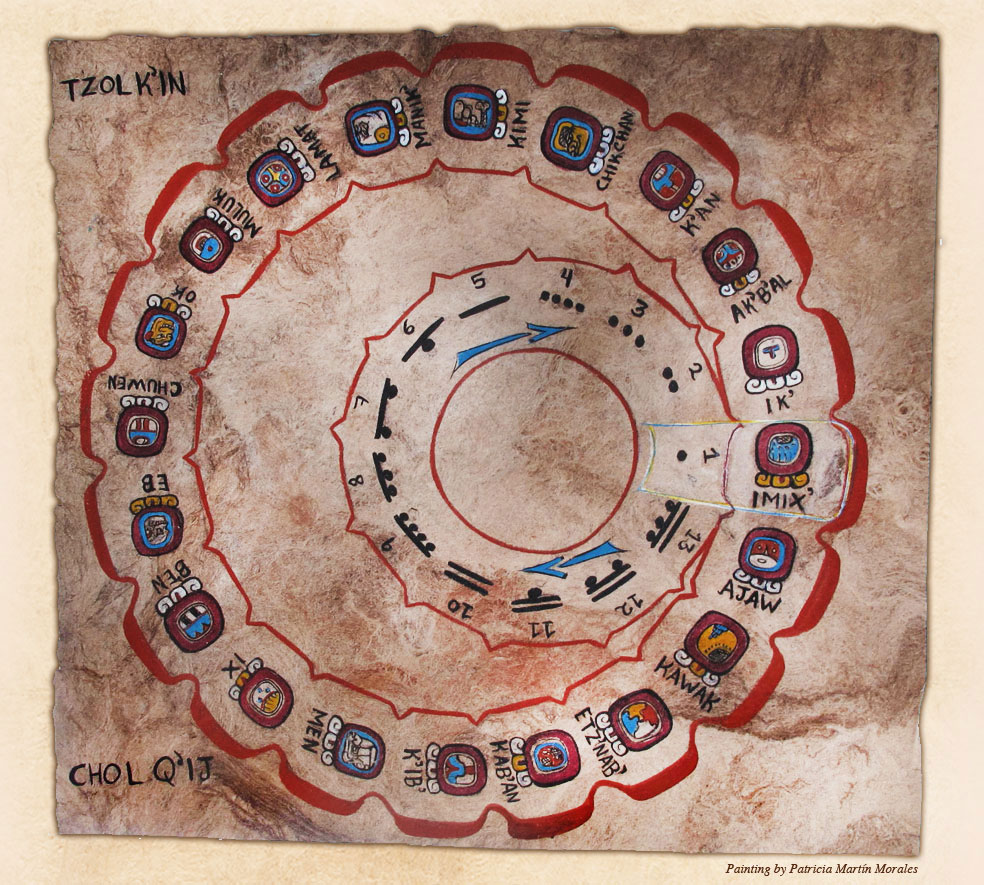
The Haab, a 365-day solar calendar, allowed them to track the agricultural year with precision, while the Tzolk’in, a 260-day sacred calendar, guided ceremonies, divination, and spiritual practice. Together, they formed a “Calendar Round,” a 52-year cycle that harmonized the needs of farming with the rhythms of the cosmos.
Thanksgiving in Belize: Sacred Corn and the Heart of the Maya Bounty
Corn, or ixim, has always been at the core of Maya culture. According to the Popol Vuh, the gods created humanity from maize dough, making corn not only a source of sustenance but also the very substance of life itself. For this reason, it was revered as sacred, the vital link between humans, the earth, and the divine.

During the November harvest, gratitude for maize was expressed through prayers, offerings, and shared meals. Traditional dishes, such as atole—a warm, corn-based drink—and tamales, carried deep symbolic meaning, nourishing both body and spirit.
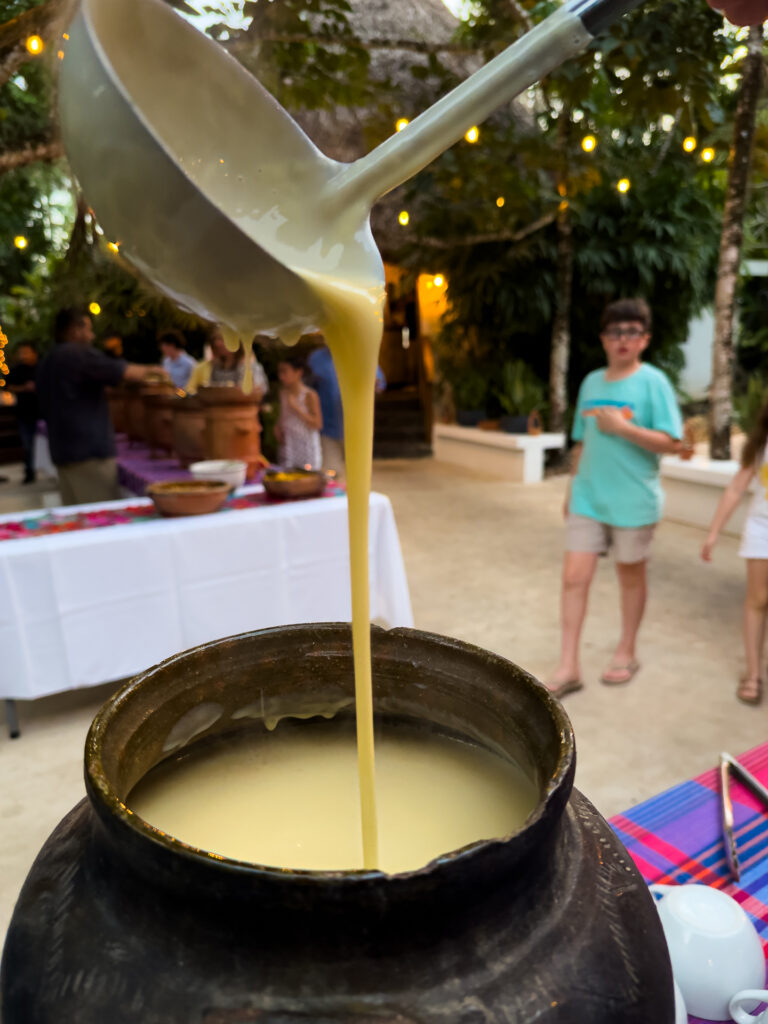
Today, enjoying these Foods connects visitors to centuries of Maya tradition, where every grain of maize serves as a poignant reminder of humanity’s sacred bond with the earth.
Maya Astrology & Sky Watching
The Maya were among the world’s greatest astronomers, and November’s clear skies made it a significant time for observation. To them, the night sky was alive with stories and messages from the divine. Orion was envisioned as a Turtle, symbolizing creation and renewal. The Milky Way became the Cosmic Serpent, a celestial bridge between worlds. And Venus, shining bright in November, guided cycles of power, renewal, and ceremony. At Chaa Creek, these same brilliant skies stretch above guests, untouched by city lights.
To lie beneath them is to experience the same awe the Maya once felt, where the heavens offered not only beauty but wisdom, serving as a guide to both earthly life and the afterlife.
Ceremonial Wellness Experiences
For the Maya, spirituality was deeply intertwined with daily life through rituals of balance and renewal. Cleansing with water and herbs, smoke purification with copal incense, and prayers to the four cardinal directions were central to maintaining harmony between body, spirit, and cosmos. Each direction was tied to color, element, and energy, creating a worldview that was holistic and deeply symbolic.
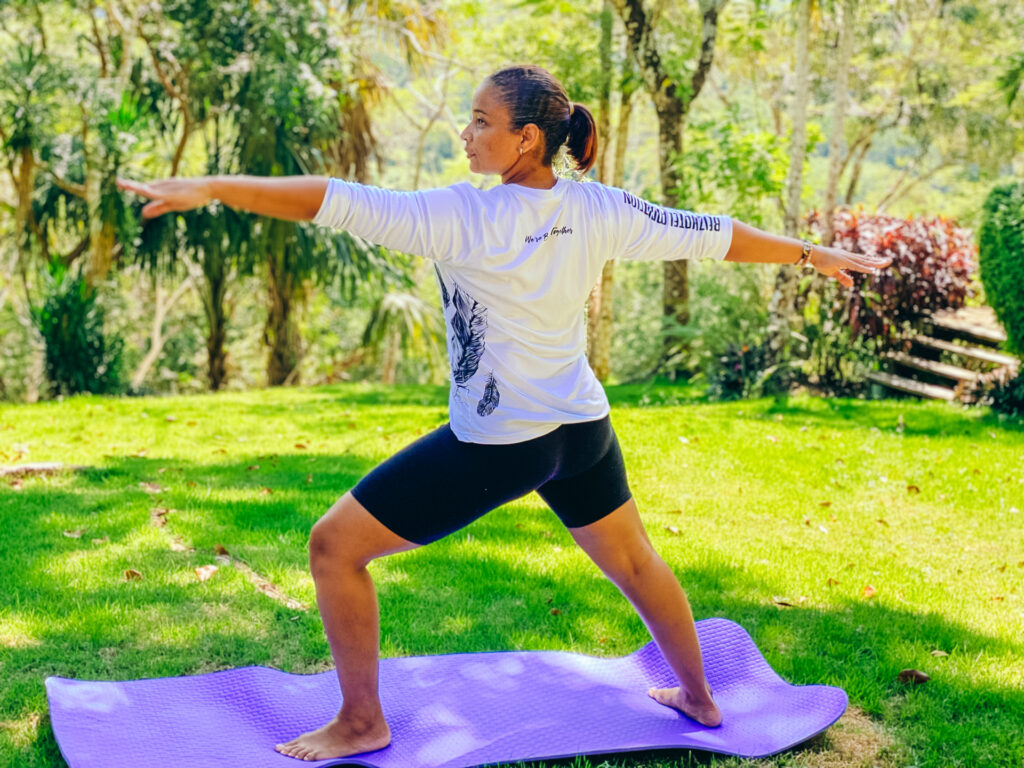
These traditions inspire many of the wellness experiences at Chaa Creek today. Guests may enjoy botanical spa treatments that draw on local plants, guided meditations inherited in Maya practices, or simply moments of reflection in the jungle, where nature itself becomes a sacred sanctuary. The botanical spa treatments include massages using traditional herbs, and the guided meditations focus on connecting with nature and the self. By engaging in these experiences, visitors discover not only Maya heritage but also a deeper connection to themselves and the natural world.
Experience the Spirit of the Maya This November
A November stay at Chaa Creek, nestled in the heart of the Belizean rainforest, is an immersion in ancestral wisdom, seasonal abundance, and celestial wonder. Our eco-luxury accommodations, award-winning spa, and commitment to sustainable tourism ensure a unique and unforgettable experience. By honoring the Maya traditions of gratitude, renewal, and reverence for the land and the sky, you will find yourself drawn into a living culture that continues to inspire and guide.
This November, let your journey be one of discovery, reflection, and gratitude. Book your stay at Chaa Creek today and allow the essence of the Maya to transform not only your travels, but the way you see tradition and time itself. Email us at [email protected] to book your stay!