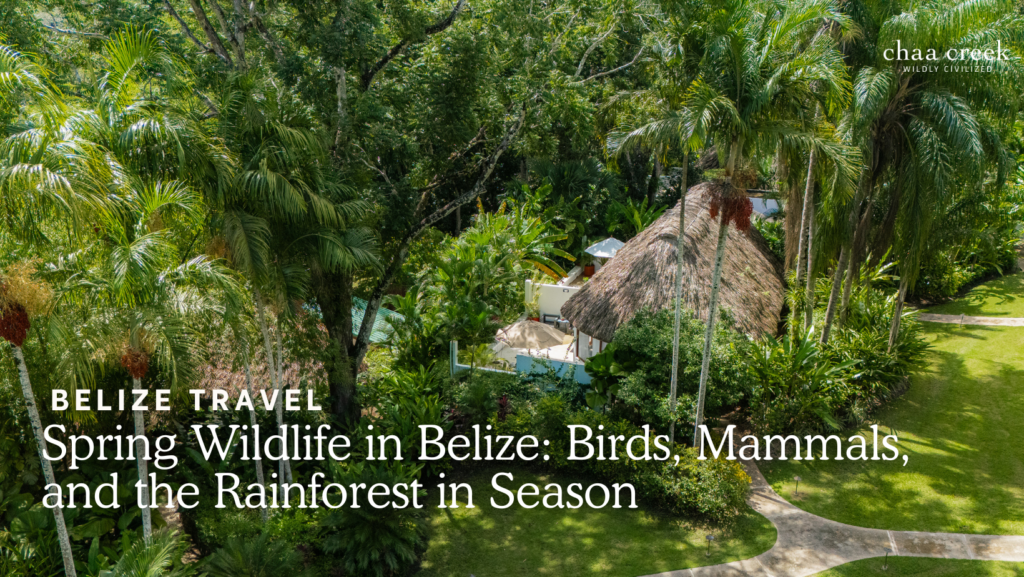
A Seasonal Shift in the Rainforest
Spring in Belize is the end of the dry season, generally considered to run from March through May. During this time, the rainfall decreases. Rivers become clearer, and wildlife gathers more around the remaining water sources and fruiting trees. This seasonal shift increases visibility of animals and intensifies ecological interactions, making spring one of the most dynamic periods for observing wildlife.
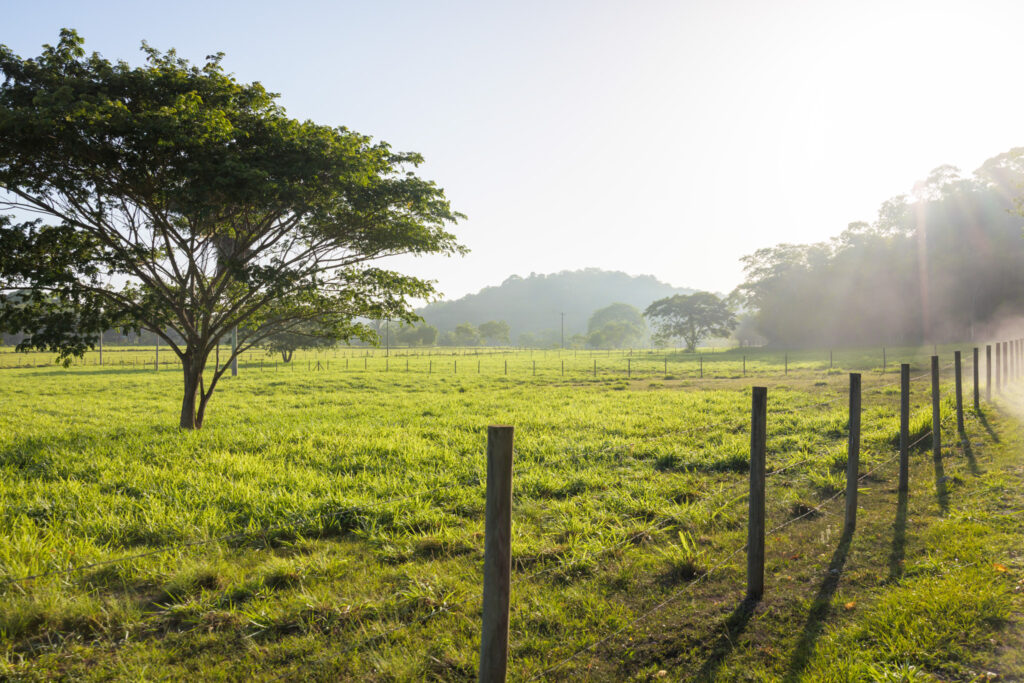
In Inland Belize, especially in the river valleys and rainforests of the Cayo District, you can find many habitats. These include lowland tropical forests, river areas, and foothill jungles. These overlapping ecosystems support high biodiversity and create predictable seasonal patterns in animal movement, feeding, and breeding behavior.
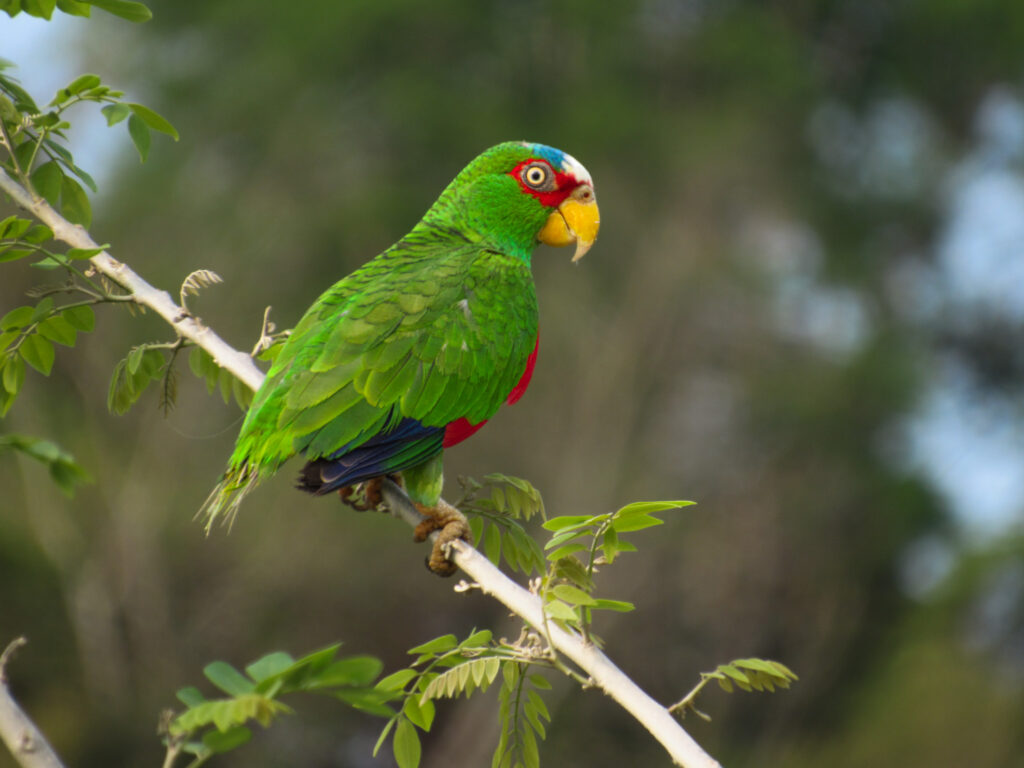
Birdlife in Spring (Peak Diversity and Breeding Activity)
Spring in Belize is a lively time for birds. The rainforest, rivers, and skies are full of movement and song.
As resident birds start their breeding season, migratory birds arrive or pass through. This makes birdlife exceptionally diverse and active. It offers a great view of courtship displays, nesting behavior, and many species in the country’s different habitats.
Scarlet Macaws (Ara macao)
Spring is the nesting and breeding season for scarlet macaws in Belize. This happens mainly along river corridors and near mature forest edges.
Birds in bonded pairs fly together, their vivid red, blue, and yellow plumage flashing against the green canopy. Their unmistakable, echoing calls serve both to maintain contact with their mate and to fiercely defend nesting territories. This heightened activity makes spring one of the best times to observe macaw behavior in the wild.
Toucans (Keel-billed & Collared)
Birdwatchers often see both the Keel-billed Toucan and the Collared Aracari Toucan in Spring and all year long. However, in Spring is when fruiting trees are plentiful. Early mornings are prime viewing times, when toucans gather to feed on figs and other seasonal fruits before the day warms.
Keel Billed Toucans are exceptionally social; their interactions are lively. They call to each other, jump between branches, and toss fruit with their large bills. These activities add energy and color to the forest canopy.
Motmots (Eumomota superciliosa)
Many people often call the motmot one of Belize’s most beautiful birds. You can usually see it sitting quietly on shaded rainforest trails and clearings. In spring, their unique tail swings like a pendulum. This behavior helps them mark their territory and attract mates.
Their calm presence, along with bright turquoise and earthy colors, makes seeing a motmot feel special. It feels like a peaceful moment in the forest. In spring, late-season migratory birds mix with resident species. This increases bird diversity and provides great chances for birdwatching.
Some of the most notable migratory species you may encounter include:
Wood Thrush (Wood Thrush)
A favorite among birders, the wood thrush passes through Belize in spring on its way to North American breeding grounds. It prefers dense, shaded forests and riparian areas, where people can still hear its flute-like song during stopovers.

Indigo Bunting (Indigo Bunting)
These striking blue songbirds migrate through Belize in spring, often seen along forest edges, scrub, and open clearings. Males are especially vivid during this time, making them easier to spot as they refuel on seeds and insects.
Yellow Warbler (Yellow Warbler)
One of the most widespread migratory warblers in Belize, yellow warblers frequent mangroves, riverbanks, and wetlands during spring migration. Their bright yellow plumage and cheerful song make them a familiar and welcome sight.
Black-and-white Warbler (Black-and-white Warbler)
People often miss this warbler because it searches for food in the bark of trees. It moves along tree trunks and branches to find insects. Spring migration brings increased sightings in forested areas, especially mature woodland and reserves.
Swallow-tailed Kite (Swallow-tailed Kite)
Spring skies in Belize sometimes feature the graceful silhouettes of swallow-tailed kites as they migrate north. Easily recognized by their forked tails and light flight, they often soar above forests and fields. They hunt insects while flying.
Together, these migratory visitors highlight Belize’s role as a vital link in the Americas’ migratory bird corridors. In spring, the country’s forests, wetlands, and skies welcome a mix of resident and migratory birds. This makes it one of the best seasons for watching birds.
Mammals and Forest Fauna
While birds catch our attention in spring, Belize’s mammals also show interesting seasonal behavior. Breeding cycles, food availability, and changing forest conditions influence this behavior.
Howler Monkeys
The Black Howler Monkey is one of the most iconic mammals of Belize’s forests. Most active at dawn and dusk, howler monkeys use powerful vocalizations to mark territory and communicate between troops. In spring, these calls are especially frequent, echoing through forested valleys for several kilometers.
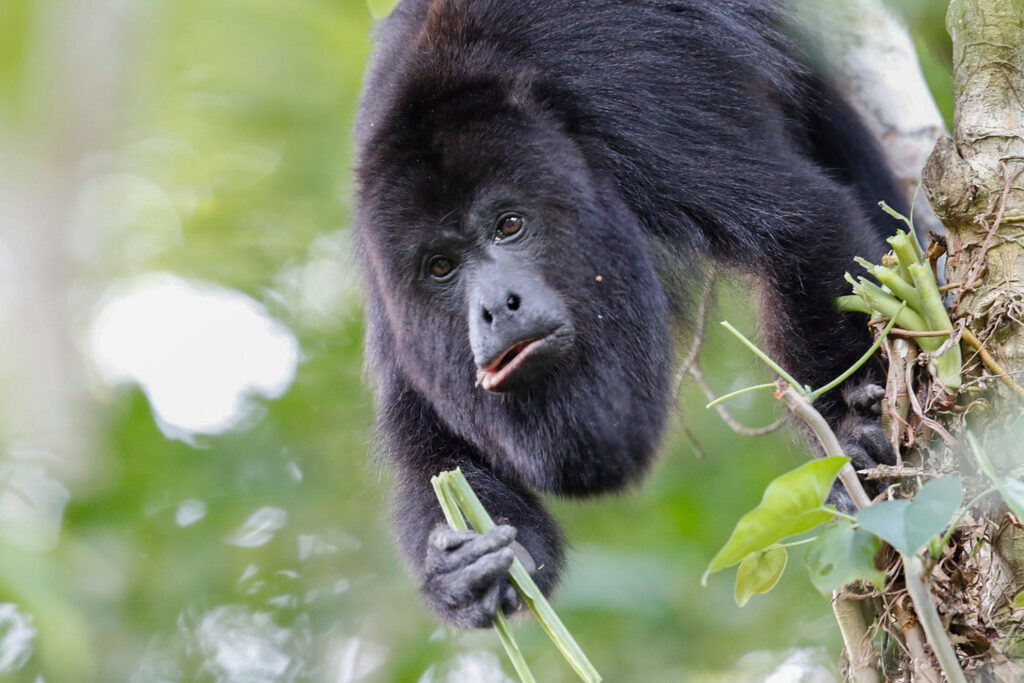
Groups move more and interact socially as they change their feeding routes. They do this to enjoy new leaves and seasonal fruits.
Coatis
The White-nosed Coati is a highly social and curious mammal, commonly seen during daylight hours. Spring brings heightened foraging activity as coatis travel in small bands along forest trails, riverbanks, and open clearings. Using their long snouts and agile paws, they dig through leaf litter in search of insects, fallen fruit, eggs, and small vertebrates. Their constant motion and group dynamics make them one of the most engaging mammals to encounter.
Tapir
Belize’s national animal, the Baird’s Tapir, is elusive and primarily nocturnal. In spring, rivers, streams, and waterholes often attract tapirs, especially in quieter, undisturbed forest areas. While direct sightings are rare, fresh tracks, feeding signs, or muddy wallows provide evidence of their presence. Seasonal vegetation growth also supports their diet of leaves, shoots, and aquatic plants.
Jaguar
The Jaguar, Belize’s top predator, is seldom seen but incredibly much present. Spring can bring increased movement as jaguars patrol territories and follow prey species that concentrate near water sources. Camera traps and tracks along riverbanks often show their activity. This highlights how important Belize is for this elusive large feline species.
Collared Peccary
The Collared Peccary is another mammal commonly active in spring. Traveling in small herds, peccaries forage for roots, tubers, fruit, and seeds, helping to shape forest regeneration. You can often hear their grunts and rustling before you see them. This is especially true in thick plants near forest edges and trails.
These mammals show that spring is not just for birdsong. It is also a time of quiet but important activity in the rainforest. Tracks, calls, and brief encounters reveal the deeper rhythms of wildlife in Belize. And if you are unable to spot them in the wild, visit the Belize Zoo to catch a glimpse of them!
Why Spring Is an Optimal Time for Wildlife Observation
Spring represents a convergence of ecological activity and field accessibility:
- Reduced rainfall results in clearer, safer trails and improved access to forest and riparian habitats
- Moderate daytime temperatures and cooler nights allow for extended outdoor activity without heat stress.
- Concentrated water sources increase wildlife aggregation and predictability of sightings.
- Seasonal fruiting attracts birds and mammals to specific feeding areas.
- Increased animal activity supports more efficient biodiversity observation and monitoring.
- Comfortable field conditions make spring suitable for education programs, guided walks, and research activities
These conditions combine to create a season that is both biologically active and logistically favorable for travelers.
Responsible Wildlife Observation
Ethical wildlife viewing is essential to conservation and ecosystem health.
- Participate in guided walks led by trained naturalists to gain ecological context and minimize disturbance.
- Begin observations early in the morning, when animal activity is highest and environmental stress is lowest.
- Maintain appropriate distances from wildlife and avoid approaching, feeding, or attempting interaction.
- Refrain from loud noises, sudden movements, and the use of flash photography, which can disrupt behavior.
- Stay on established trails to prevent habitat degradation and soil compaction.
Follow Leave No Trace principles and carry out all waste, including biodegradable items Responsible observation supports both wildlife protection and long-term tourism sustainability.
Planning for Families and Educational Travelers
Spring is particularly suitable for families, students, and first-time visitors. Spring is a great time for families and younger visitors. The weather is mild, the trails are easy to access, and there is a lot of wildlife to see.
Recommended preparation What to pack:
- Lightweight long-sleeved clothing for sun and insect protection
- Comfortable, closed-toe walking shoes suitable for forest trails
- Binoculars for bird and wildlife observation
- Reusable water bottles to stay hydrated and reduce plastic waste
Ideal trip length:
- Three to five inland nights allow time to explore multiple habitats at a relaxed and educational pace
- Managing energy levels:
- Plan active wildlife walks and guided hikes in the early morning hours
- Reserve afternoons for rest, swimming, or quiet observation near rivers or shaded forest areas
These daily rhythms align well with both wildlife activity patterns and the natural pace of the rainforest
Why The Lodge at Chaa Creek Enhances Wildlife Experiences
The Lodge at Chaa Creek is in a 500-acre private nature reserve. It protects a section of rainforest, river, and riverbank habitat. This conservation model supports resident wildlife populations while allowing guests to observe ecosystems with minimal disturbance.
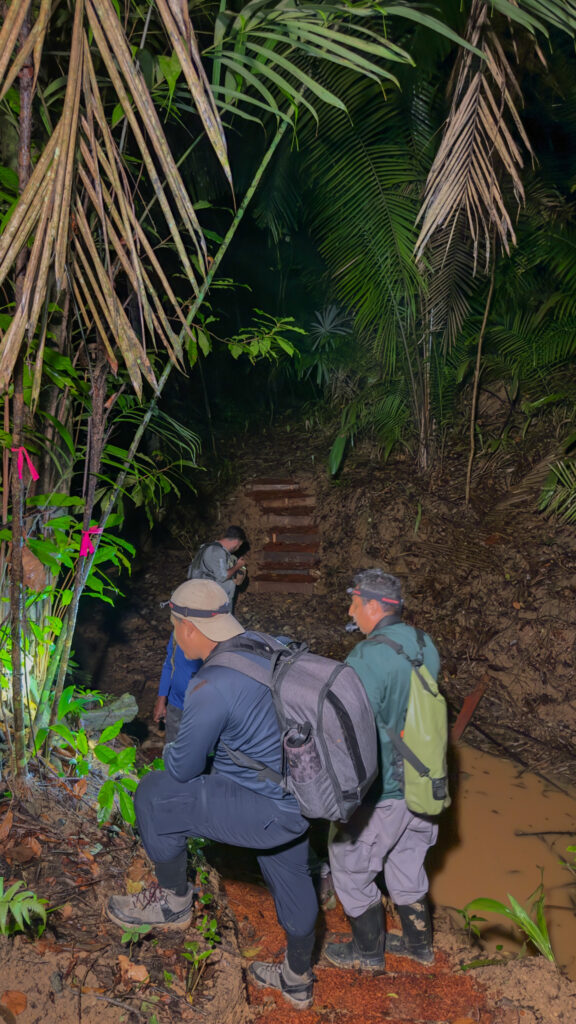
Guided walks led by trained naturalists provide ecological context, species identification, and interpretation of animal behavior, transforming observation into understanding.
Contact us at r[email protected] to book your stay!
One of my favorite parts is the sense of unpredictability. You never know what you might see, and that element of surprise makes every outing unique.