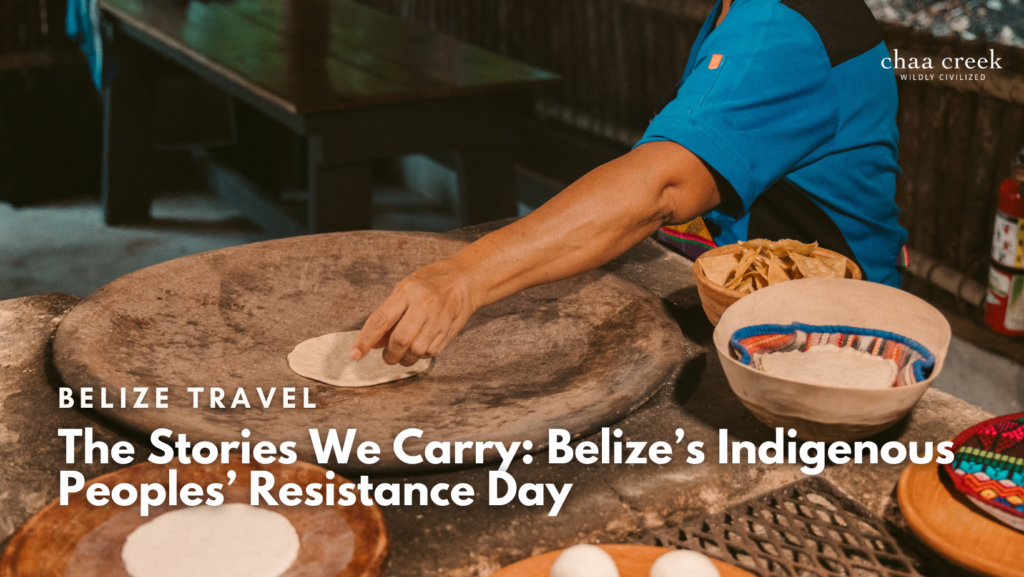
Honoring the resilience, traditions, and living heritage of the cultures that continue to shape Belize’s identity.
In Belize, culture lives through the generations, woven into the languages we speak, the traditions we practice, the stories we share, and the knowledge passed down through our communities. It is an enduring expression of identity, shaped by centuries of resilience, adaptation, and a profound connection to the people and places we call home.
From the rhythm of drums along the Caribbean coast to the preparation of traditional meals in family kitchens, Belize’s cultural heritage finds expression in everyday life. These practices carry generations of knowledge, reflecting the experiences of communities whose identities have endured colonization, displacement, and profound social change while continuing to evolve in the present.
As Belize recognizes Indigenous Peoples’ Resistance Day on October 12, we reflect on the histories of resistance and cultural survival that have shaped our nation, paying particular tribute to the Maya and Garifuna peoples whose distinct traditions, languages, and contributions remain an essential part of Belizean identity.
The Maya: A Civilization That Continues to Thrive
Long before Belize appeared on modern maps, Maya civilizations flourished across this landscape, developing extraordinary knowledge of astronomy, mathematics, agriculture, architecture, and the natural world. Their achievements remain visible at archaeological sites such as Caracol, Xunantunich, and Lamanai, where monumental structures offer glimpses into centuries of history and the complexity of the societies that once inhabited these cities.
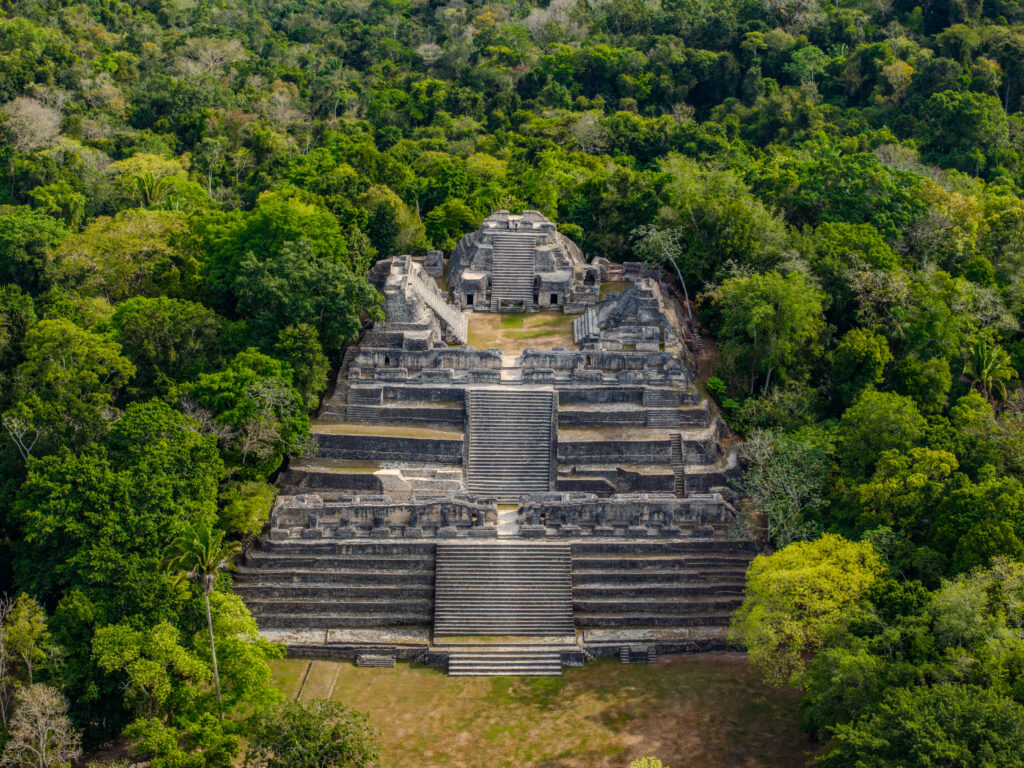
Beyond these archaeological landmarks, Maya heritage continues through the lives of contemporary communities. The Yucatec, Mopan, and Q’eqchi’ Maya peoples maintain distinct languages, cultural practices, agricultural traditions, and forms of artistic expression that contribute to Belize’s national identity. Their knowledge of the natural environment, traditional farming methods, medicinal plants, and ceremonial practices reflects a relationship with the land developed and sustained across generations.
A Heritage Shared Through Food and Music
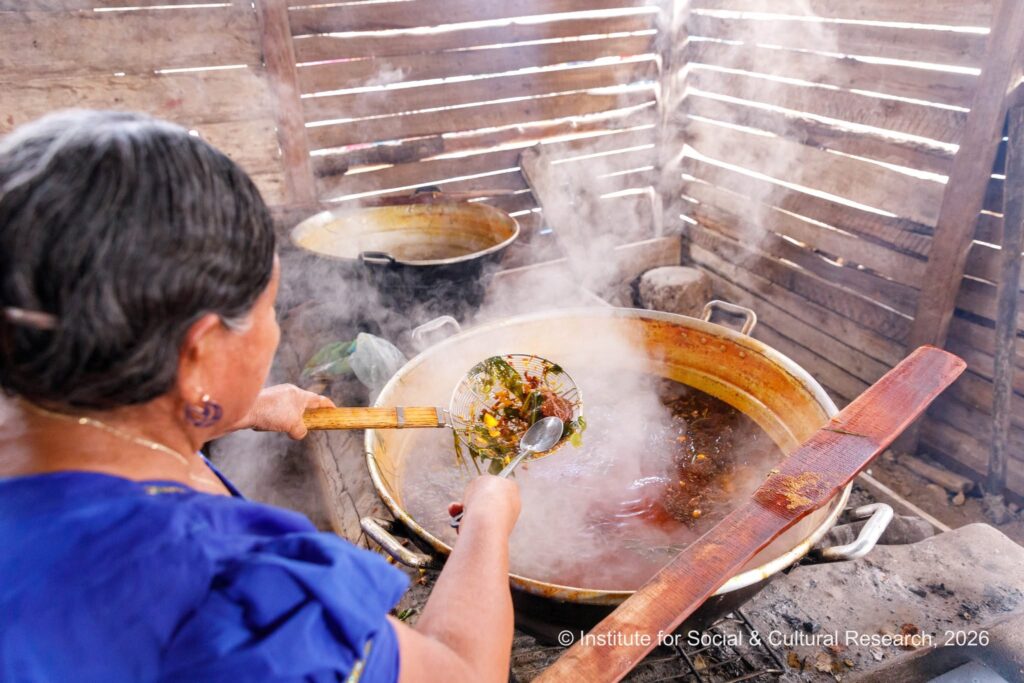
Food remains one of the most meaningful expressions of Maya cultural continuity, bringing together ancestral ingredients, preparation techniques, and traditions that continue to shape family and community life. Corn holds particular agricultural, spiritual, and cultural significance, forming the foundation of handmade tortillas, tamales, bollos, and traditional beverages. Dishes such as caldo also reflect the diversity of Maya culinary traditions in Belize, where recipes and preparation methods vary among communities and households.
Music and dance offer another connection to ancestral knowledge, with traditional instruments such as drums, flutes, harps, and marimbas accompanying different ceremonies and cultural celebrations. Among the traditions practiced in southern Belize is the Maya Deer Dance, a ceremonial performance that draws on relationships between people, animals, spirituality, and the natural world. Efforts by Belize’s National Institute of Culture and History to safeguard this tradition and support the preservation of traditional instruments reflect the importance of keeping these cultural expressions accessible to future generations.
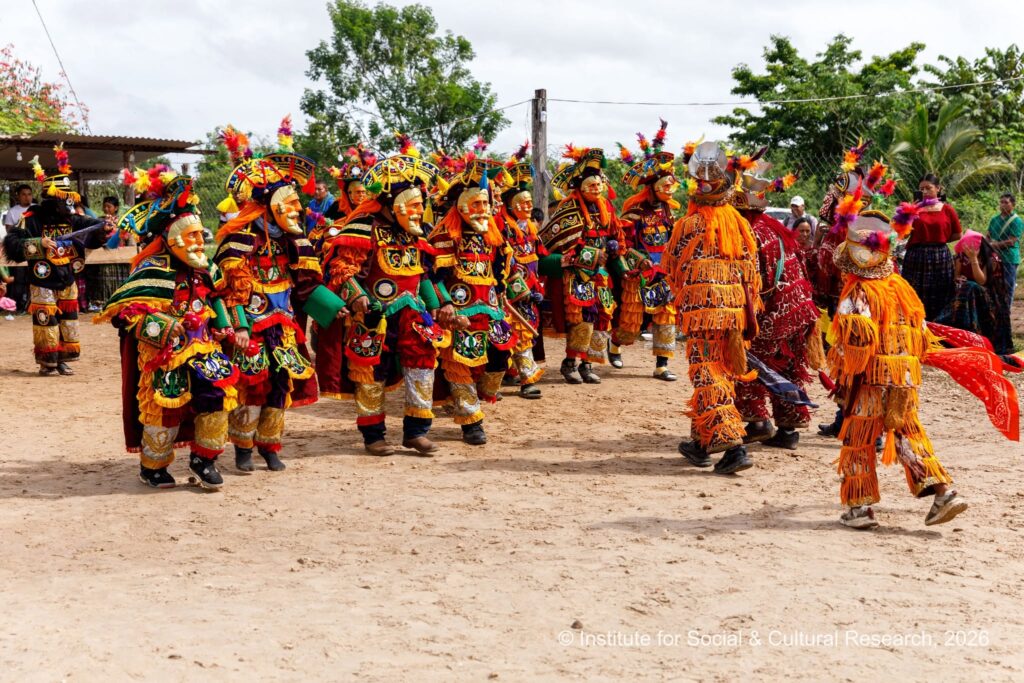
Together, these practices illustrate how Maya heritage continues to develop through the people who sustain it. Despite centuries of colonization, displacement, and social change, Maya communities remain active participants in Belize’s cultural, social, and economic life, preserving meaningful connections to their ancestry while shaping their own contemporary identities.
The Garifuna: A Culture Carried Through Generations
Along Belize’s Caribbean coast, the unmistakable rhythms of Garifuna drums reflect another extraordinary history of resilience and cultural continuity. The Garifuna people trace their origins to the Caribbean island of St. Vincent, where African and Indigenous Caribbean ancestry and traditions came together. Following conflict with British colonial forces and forced exile in the late eighteenth century, Garifuna communities established themselves along the Central American coast, including in what is now Belize.
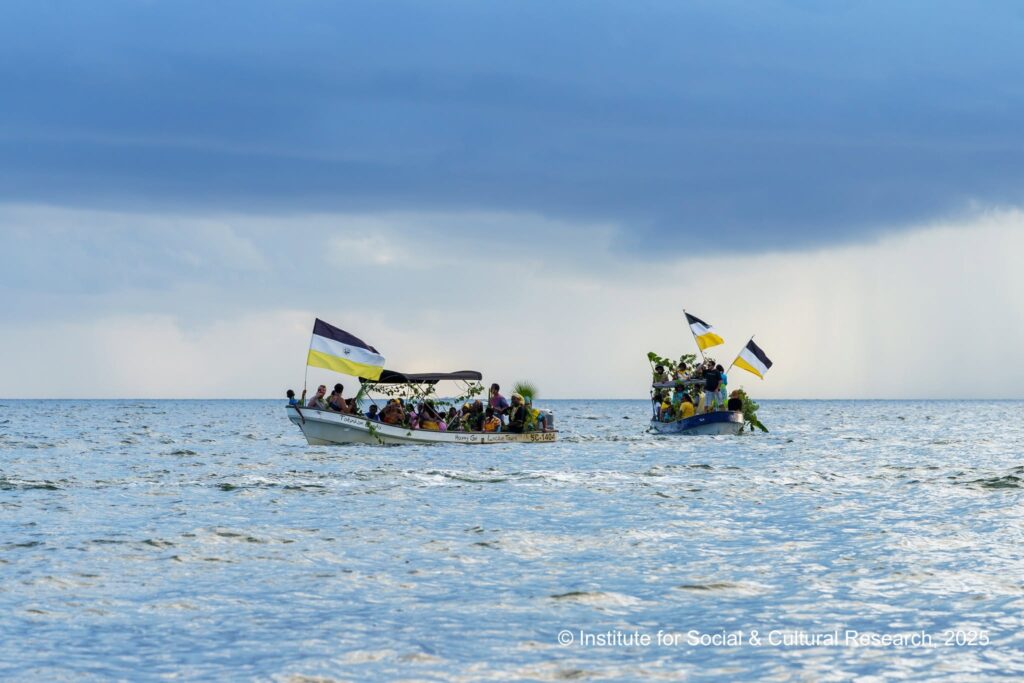
Despite the challenges of displacement and colonization, generations have maintained a distinctive cultural identity expressed through language, music, dance, spirituality, storytelling, and cuisine. Today, Garifuna culture remains a vibrant part of Belizean life, particularly in communities such as Dangriga, Hopkins, Seine Bight, and Punta Gorda, where cultural traditions continue to be practiced, celebrated, and adapted by new generations.
The Rhythms and Flavors of Garifuna Heritage
Music holds a particularly important place in Garifuna cultural expression, serving as a means of storytelling, community connection, and the preservation of historical memory. Traditional drumming accompanies musical forms such as punta and paranda, while dances including Wanaragua reflect the creativity and historical experiences of Garifuna communities. These traditions have also influenced contemporary Belizean music, demonstrating how cultural expressions can evolve while maintaining connections to their origins.
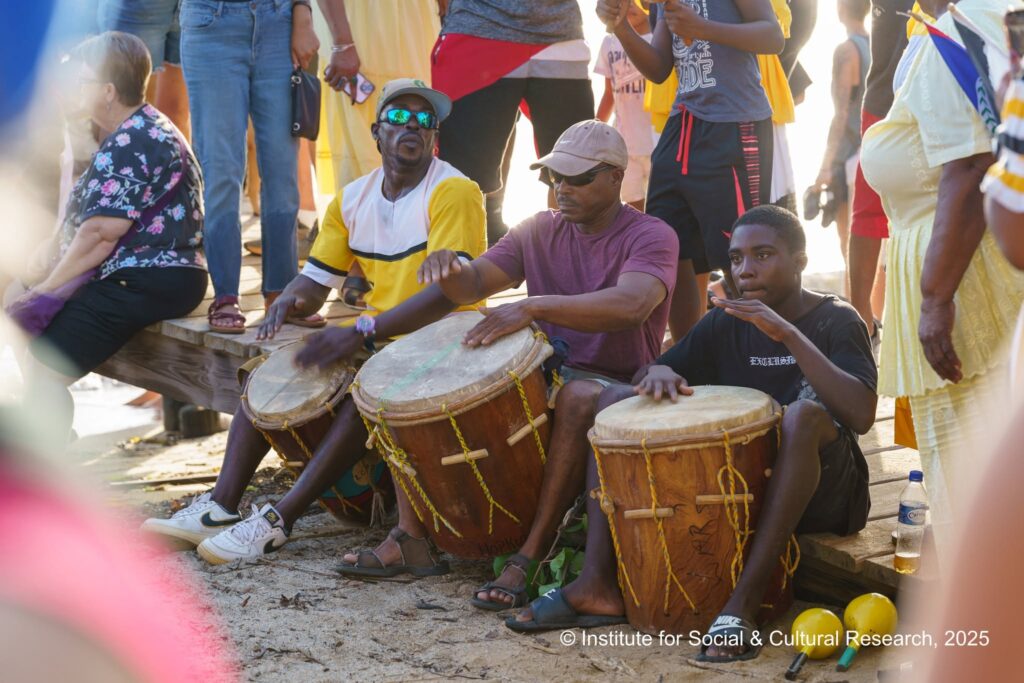
The international significance of Garifuna heritage was formally recognized in 2001, when UNESCO proclaimed the language, dance, and music of the Garifuna a Masterpiece of the Oral and Intangible Heritage of Humanity. In 2008, these traditions were incorporated into UNESCO’s Representative List of the Intangible Cultural Heritage of Humanity, acknowledging their importance across Belize, Guatemala, Honduras, and Nicaragua, as well as the need to safeguard their continued transmission.
Garifuna culinary traditions offer another expression of cultural identity, shaped by coastal environments, agricultural knowledge, and generations of family practices. Among the most recognizable dishes is hudut, prepared with fish in a coconut-based broth and served with mashed plantains, while ereba, a traditional cassava bread, reflects the preservation of techniques passed down through generations. The preparation and sharing of these foods strengthen connections between families and communities, allowing cultural knowledge to remain part of everyday life.
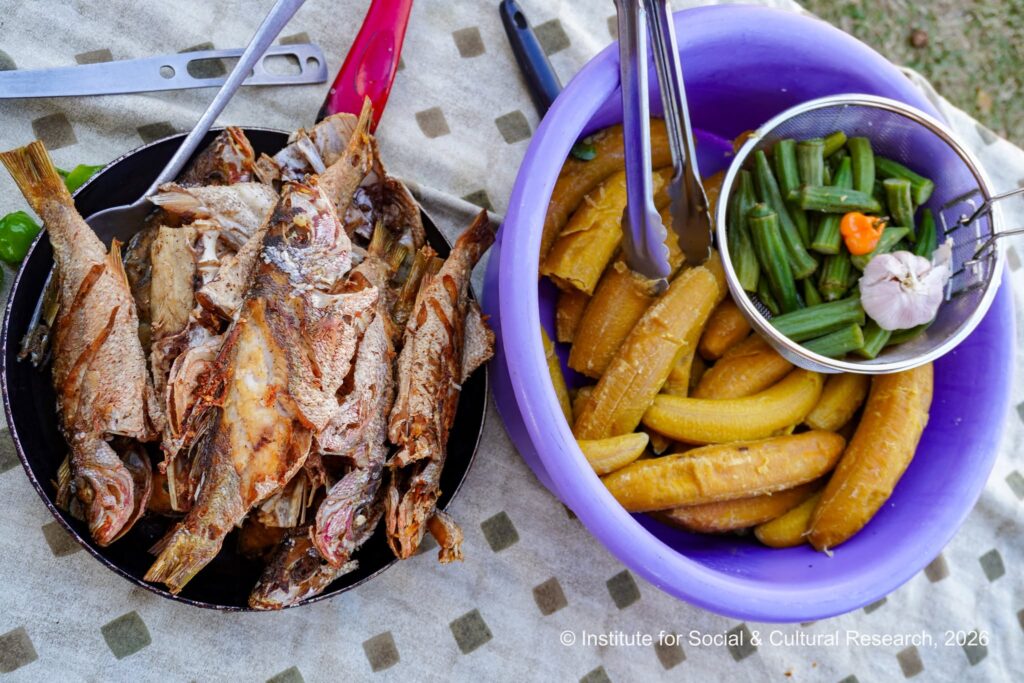
Through these traditions, Garifuna communities continue to contribute to Belize’s cultural landscape while maintaining a distinct identity shaped by their history, creativity, and enduring relationship with ancestral knowledge.
Resistance Is Also the Act of Remembering
When we speak about resistance, our thoughts often turn to defining historical moments, conflicts, and struggles for freedom. Yet cultural resistance also takes shape through the everyday determination to preserve identity, language, and ancestral knowledge, particularly among communities whose traditions have faced pressures from colonization, discrimination, displacement, and social change.
It can be found in a grandmother teaching a child the words of an ancestral language, a family preparing a traditional meal, a musician passing down rhythms learned from previous generations, or a community gathering to observe ceremonies that have endured for centuries. These expressions of cultural continuity reflect the importance of maintaining connections between generations while allowing traditions to develop within contemporary life.
For both Maya and Garifuna communities, preserving cultural identity has required determination in the face of historical injustices and changing circumstances. Although their histories and experiences are distinct, both demonstrate the importance of cultural continuity and the right of communities to define, practice, and protect their own heritage. Their traditions remain meaningful because they continue to be lived, interpreted, and shared by the people to whom they belong.
Preserving Belize’s Living Heritage
The importance of protecting living cultural traditions extends beyond Belize’s borders, forming part of a wider international effort to safeguard the world’s intangible cultural heritage. UNESCO recognizes that heritage encompasses more than monuments and archaeological landmarks, extending to oral traditions, performing arts, social practices, rituals, traditional craftsmanship, and knowledge transmitted between generations.
In Belize, these principles are reflected in initiatives dedicated to documenting and safeguarding cultural practices, including traditional music, language, and culinary heritage. In 2026, the UNESCO-supported Belize Food Heritage Project continued efforts to document the country’s culinary traditions and strengthen community participation in preserving food knowledge, recognizing traditional recipes, ingredients, and preparation methods as important expressions of Belize’s diverse cultural identities.
Such initiatives highlight the value of cultural preservation while emphasizing the importance of community participation and leadership. International recognition can generate awareness and support, but the continued vitality of these traditions ultimately depends on the people who practice them, the opportunities available to younger generations, and the respect afforded to communities in determining how their heritage is represented and shared.
Celebrating the Belize We Know Today
Belize’s cultural identity has been shaped by centuries of migration, exchange, resilience, and the traditions of the many communities who call this country home. From the Maya and Garifuna to the Creole, Mestizo, East Indian, Chinese, Mennonite, and other cultural communities, each has contributed to the languages, cuisine, music, customs, and shared experiences that make Belize so distinctive. This diversity is reflected throughout the country, where cultural influences intersect while individual communities continue to maintain their own identities and traditions.
Within this rich cultural landscape, the histories of the Maya and Garifuna peoples carry particular significance as we observe Indigenous Peoples’ Resistance Day. Their experiences of resistance, displacement, and cultural continuity encourage a deeper appreciation of ancestral knowledge, the importance of cultural self-determination, and the responsibility to recognize the people who continue to preserve these traditions.
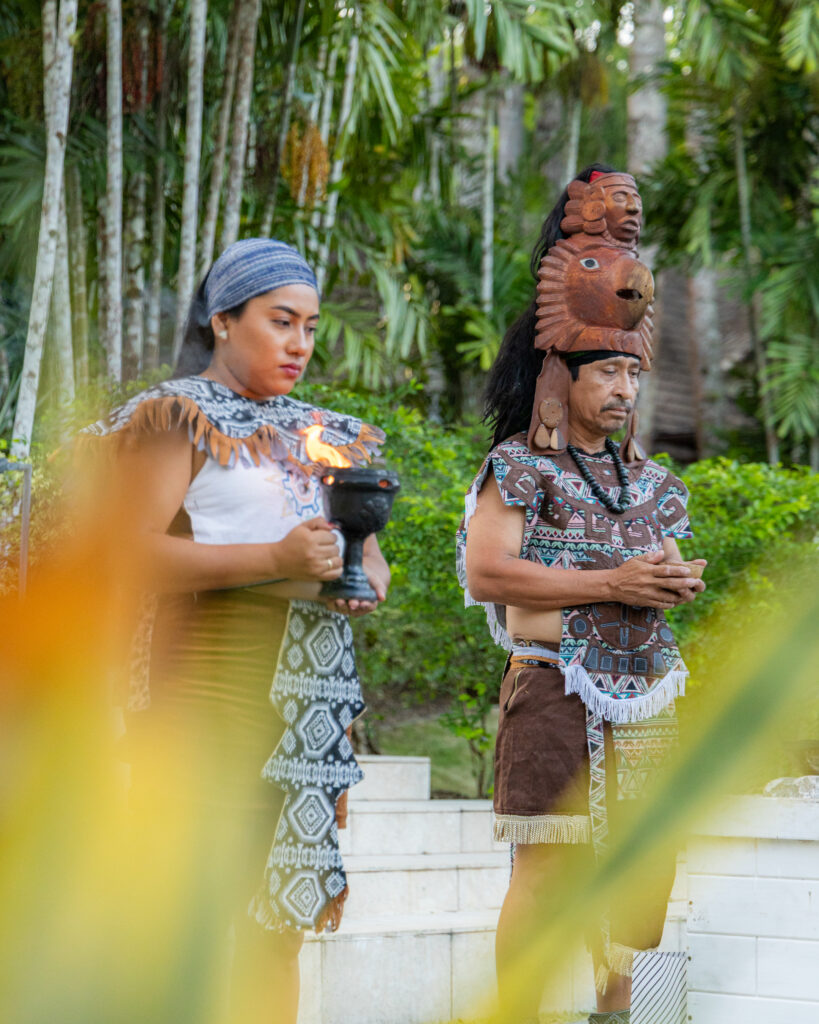
At The Lodge at Chaa Creek, our home in the Cayo District places us within a landscape deeply connected to Maya history and contemporary cultural traditions. Through our appreciation of the natural world, archaeological heritage, and relationships with cultural practitioners, we recognize the importance of learning from the people whose knowledge and traditions continue to shape Belize. These connections also remind us that meaningful cultural appreciation begins with listening, respecting different perspectives, and acknowledging the communities whose stories form part of our shared national identity.
A Tribute to Living Cultures
On October 12, as we recognize Indigenous Peoples’ Resistance Day, we honor the resilience of Indigenous peoples and reflect on the histories of resistance that continue to shape conversations about identity, heritage, and self-determination. We also celebrate the Maya and Garifuna peoples whose contributions remain deeply woven into Belize’s cultural fabric, from the languages that carry ancestral knowledge to the music, cuisine, and traditions that connect generations.
View this post on Instagram
Their stories remind us that cultural heritage is continually shaped by the people who carry it forward, preserving meaningful connections to the past while creating space for future generations to interpret and sustain these traditions. Across Belize, this enduring relationship between history and contemporary life remains visible in the customs, celebrations, and everyday experiences that give our communities their distinct identities.
View this post on Instagram
As we pay tribute to the cultures that have helped shape our nation, we recognize the importance of honoring their histories while supporting their continued expression, ensuring that the stories, knowledge, and traditions carried through generations remain an integral part of Belize’s future.