Belize Photos

See a Beautiful Day in Placencia Belize

Placencia, Belize, is one of the most laid back, pretty and interesting places in the Caribbean. This friendly little village situated on the tip of a long sandy peninsula in south eastern Belize is an affordable, uncrowded little gem of a tropical paradise.
Happy Valentines Day from Belize!
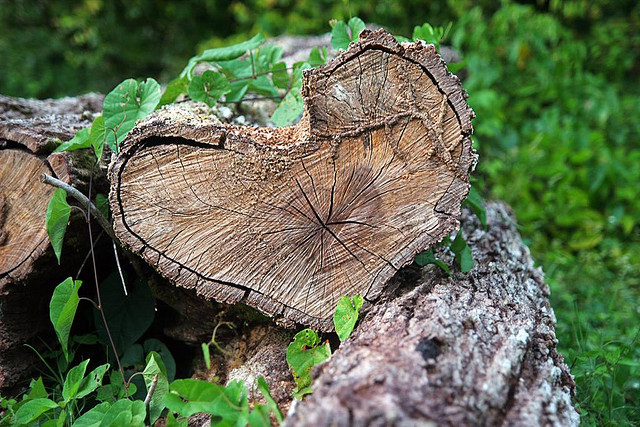
Here at Chaa Creek, the home of adventure romance, where Cupid cavorts with Ix Chel, the Maya goddess of love, we want to wish lovers all over the world a very happy and seductive Valentine’s Day.
Tiny insect discovered in wilds of Belize

U.S. entomologists say they’ve discovered a tiny grasshopper-like insect in Belize and named it in commemoration of a Mayan people who once lived there.
Top Places in Belize to take your loved ones this Valentine’s

The natural beauty of Belize combined with its rich cultural heritage make a perfect magnet for Valentine’s lovers! Here are some fun places to explore in Belize this Valentine’s Season:
Why is the Groove-Billed Ani an Elusive Belize Bird
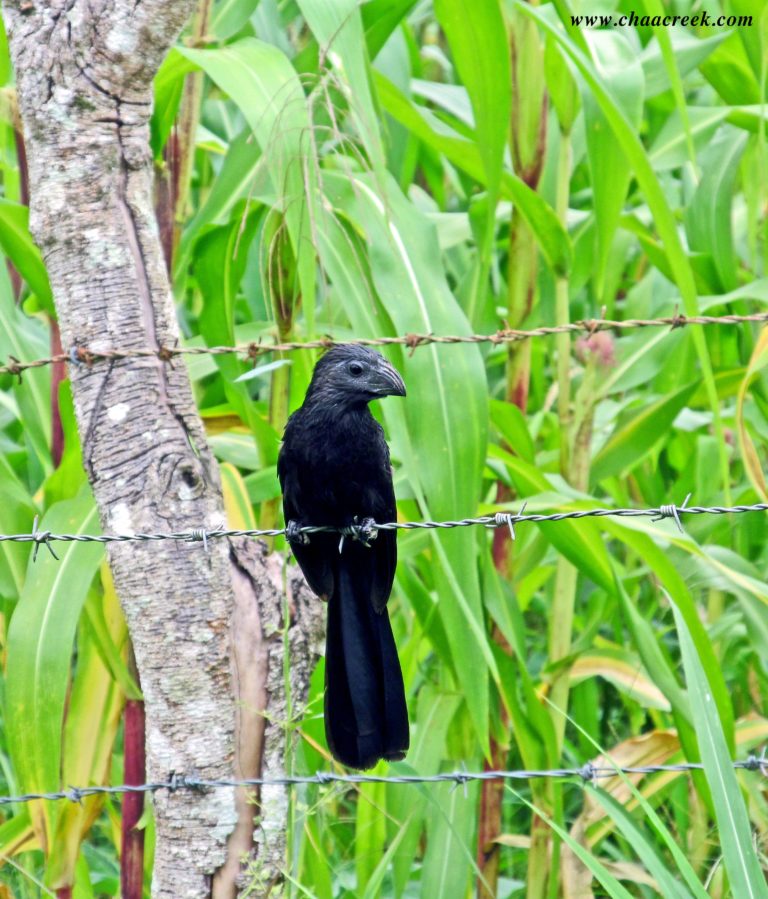
This is a Groove-billed Ani, Crotophaga Sulcirostris, a bird of savannas and other open spaces. It has a fairly general diet, feeding on fruits, seeds and insects. The Groove-billed Anis is an unusual bird because they live in small groups consisting of one to five breeding pairs. As a group, these birds defend their territory, and they also lay their eggs in one communal nest, where all of the group members incubate the eggs and care for the young.
Is a Tomato a Fruit or a Vegetable?
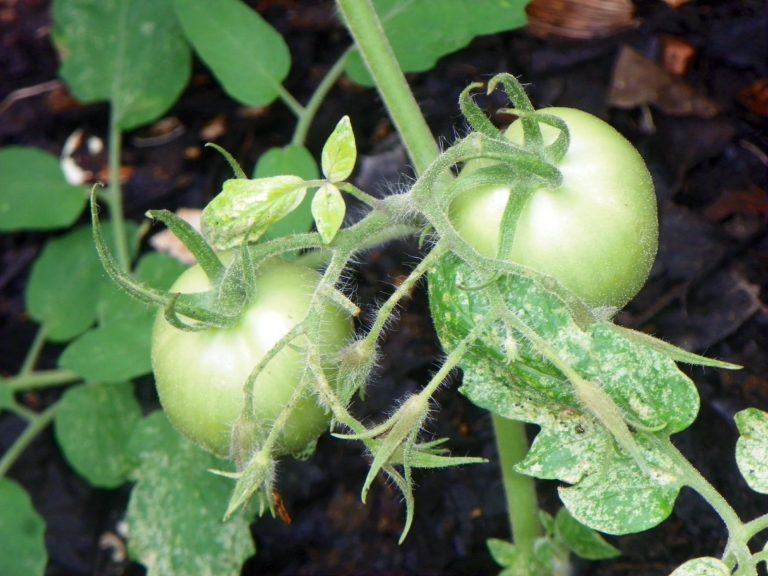
Tomato is a MUST have ingredient in tomato pasta sauce, tomatoes helps lend a sour tang to various cuisines around the world and is a fruit that can be eaten raw. Tomato refers to the plant (Solanum Lycopersicum) and the fruit that it bears. Tomato is a fruit but is commonly mistaken for a vegetable as it is used among other vegetables in the culinary sense.
A Cool Red-Footed Amphibian!
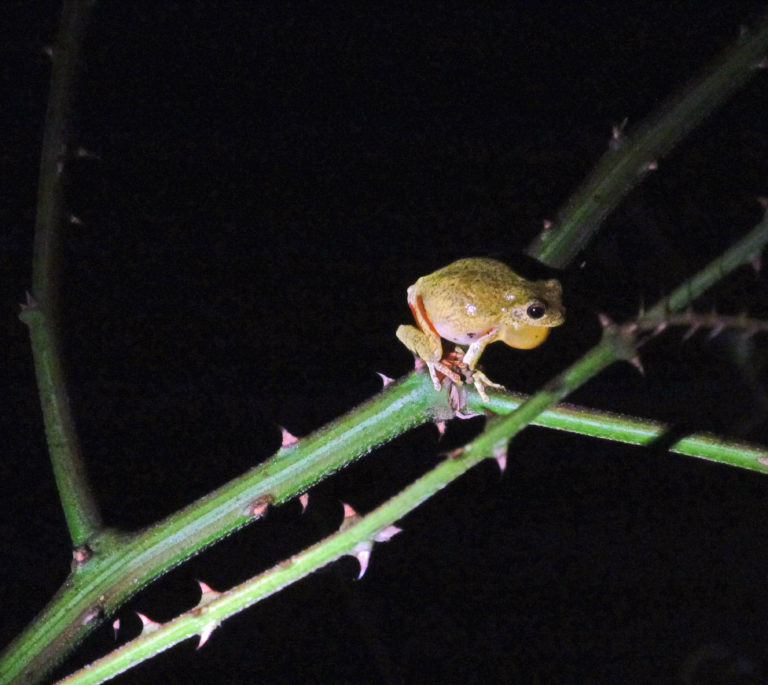
The Lodge at Chaa Creek located in the western dense forests of Belize is home to the fascinating Red-Footed Tree Frog scientifically known as Tlalocohyla Loquax. Our guests can observe this red-footed frog in our “Creatures of the Night” tour in which our experienced and knowledgeable naturalist guides will take you through trails populated by Ocelots, Howler Monkeys, Tarantulas, Patoos, Jaguarundis and many more intriguing rainforest residents.
Madre de Cacao – A Simple & Elegant Tree
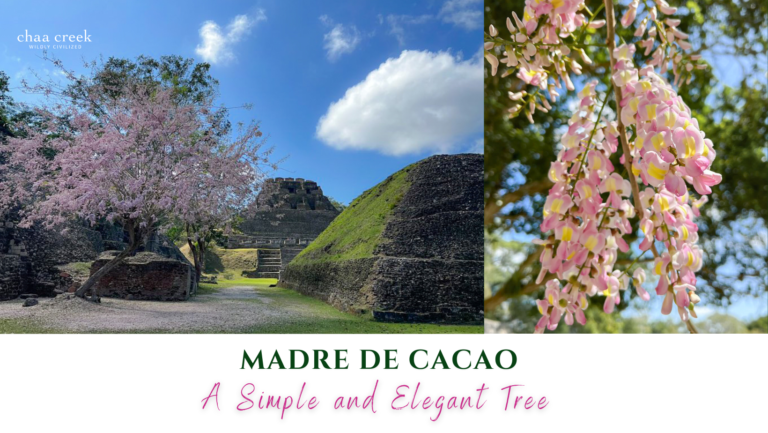
Madre de Cacao is nitrogen-fixing tree that can grow from 10 to 12 meters high. The tree is referred by many people as a quick-stick due to the characteristic of growing almost right away just by cutting it and directly planting it in the ground.
Ten Things You Need To Know About the Coconut Orchid
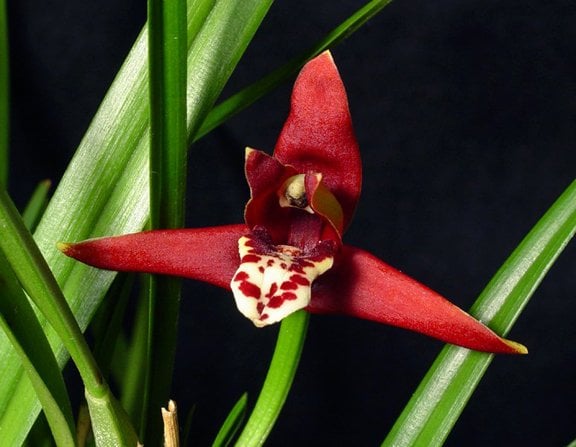
Maxillaria tenuifolia is a long time favorite because of its strong coconut scent; it smells just like a Pina Colada. This was species was discovered near Veracruz, Mexico by Karl Theodore Hartweg and ranges from Belize through Nicaragua. Native to tropical America, this genus derives its name fromn the Latin word maxilla which means jawbone.
Four Surprising Healing Secrets of the Hibiscus You Should Know
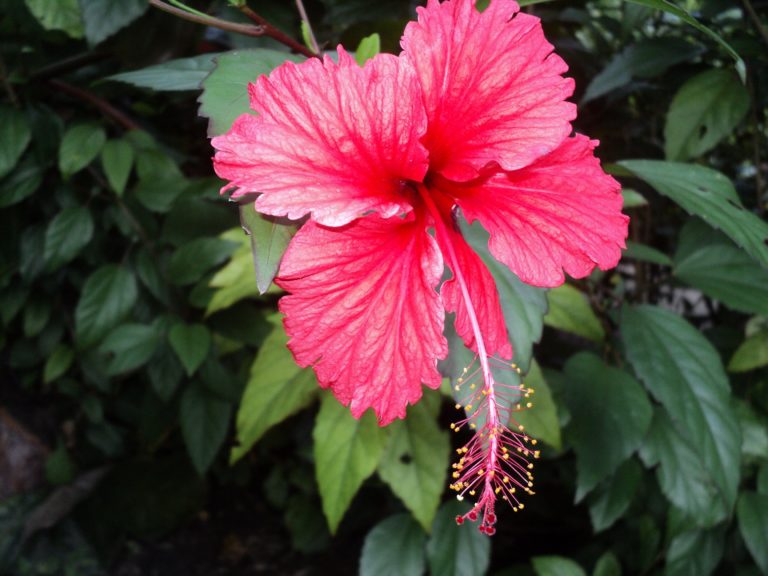
Hibiscus tea benefits have been known to Eastern countries for centuries but they have only recently been studied here in the West. Made from the fragrant Hibiscus flowers, the tea has many health benefits for those who drink it regularly.
Seven Surprising Facts of the Rhyncholaelia Digbyana
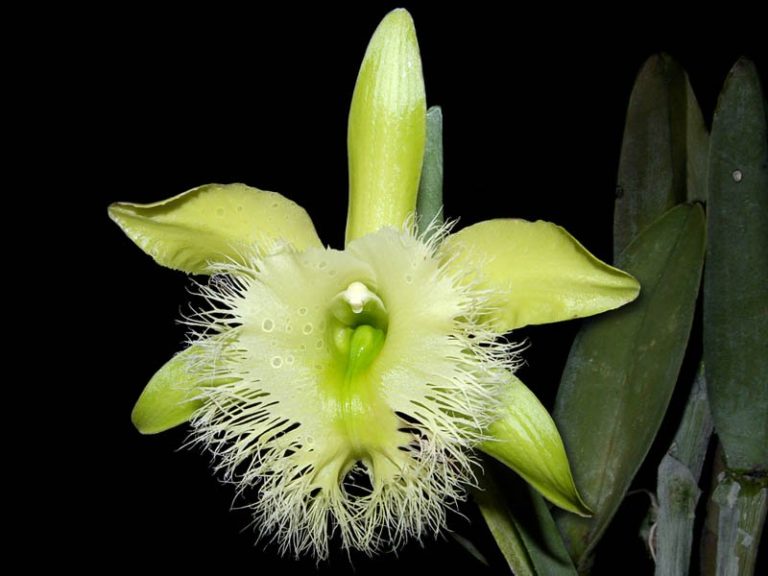
The Rhyncholaelia digbyana is an uncommon and stunning species of orchid that is native to Mexico, Belize, Costa Rica, Guatemala, and Honduras. Below are seven surprising facts of this beautiful orchid:
Ixcanan aka Polly Red Head : An Important Medicinal Rainforest Plant in Belize
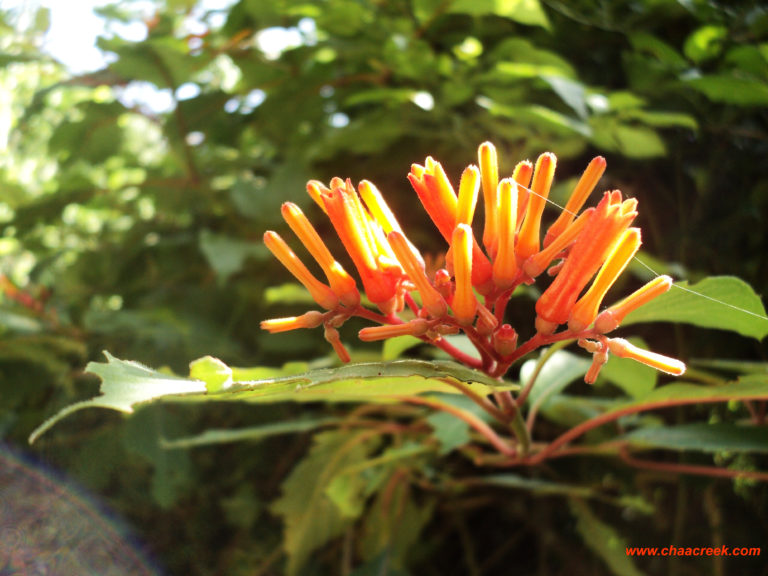
The Maya named this plant after the Goddess of the Forest and Healing, Ix-canan likely due to the abundant anti-bacterial and anti-fungal properties used in treating a large variety of skin ailments. Everything from sores, ulcers, fungus, rashes, burns, insect bites, burns, and bee stings can be treated effectively with this natural plant remedy.
Lily of the Palace
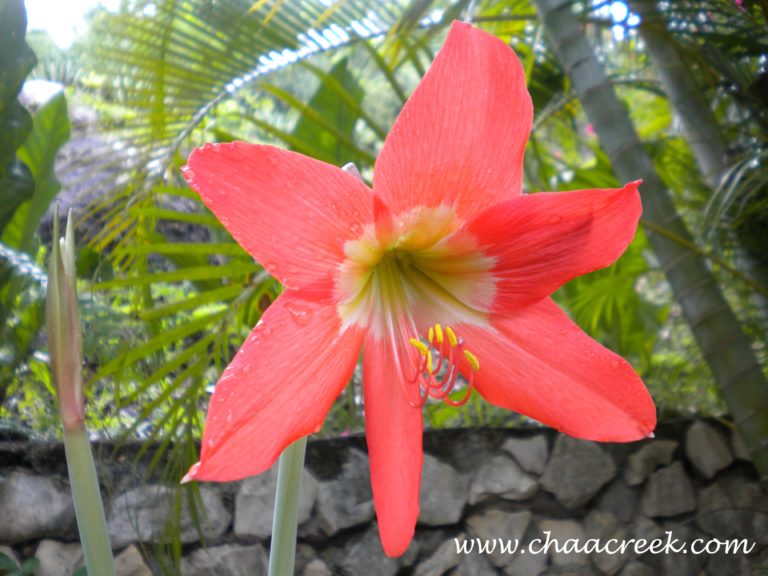
Not only stunning but also helpful and trustworthy. The bulb of this flower has medicinal properties and is used against asthma, bronchitis,constipation and respiratory diseases.
Glaphimia Glauca – Nature’s Droplets of Gold
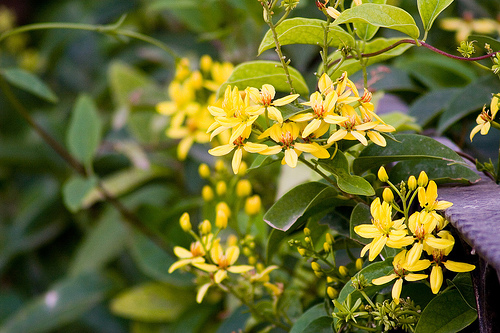
Native to the tropical regions of Mexico, Belize and Guatemala, the Golden Thryallis blooms all year round and is a fast growing plant that grows up to 4-5 feet tall.
Christmas Peppers
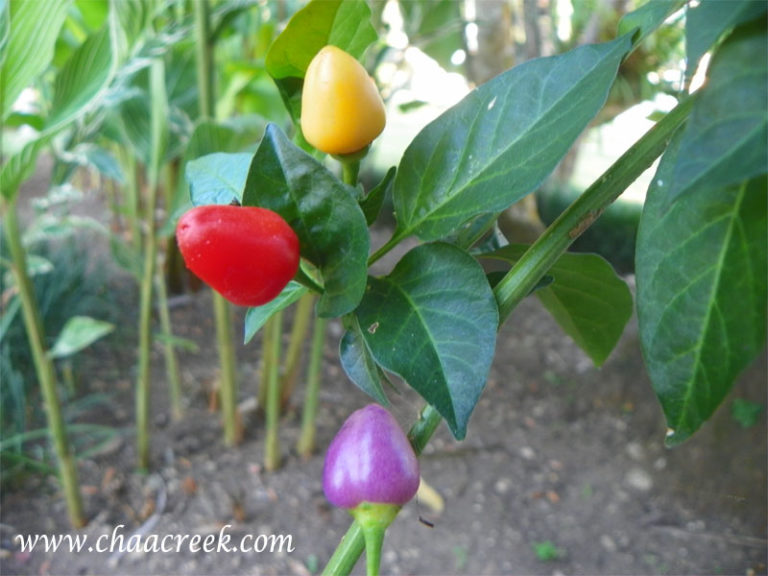
The Capsicum annuum is commonly known as the Christmas Tree Pepper and despite its name “annuum”, which means annual, it is not an annual. This variety of pepper originated in northwestern Brazil near Colombia and though this particular species is edible, it is commonly bred as an ornamental plant since its different colored fruits resemble the bulbs on a Christmas tree.
A Regal Plume of Feathers Sighted at Chaa Creek
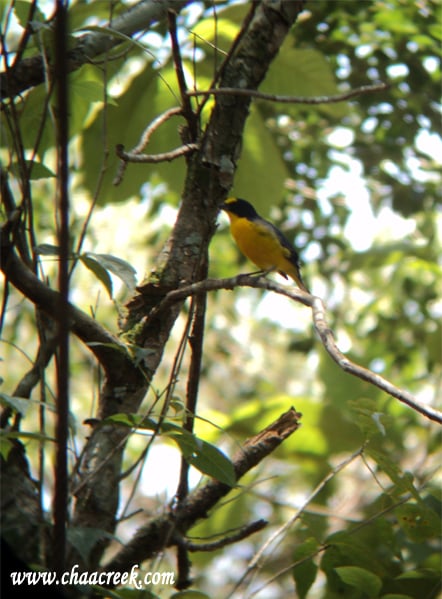
With its regal yellow breast and heightened alertness this magnificent bird exerts an air of control and vigilance over its surroundings.
A cautionary tale on eating the Devil’s eggs
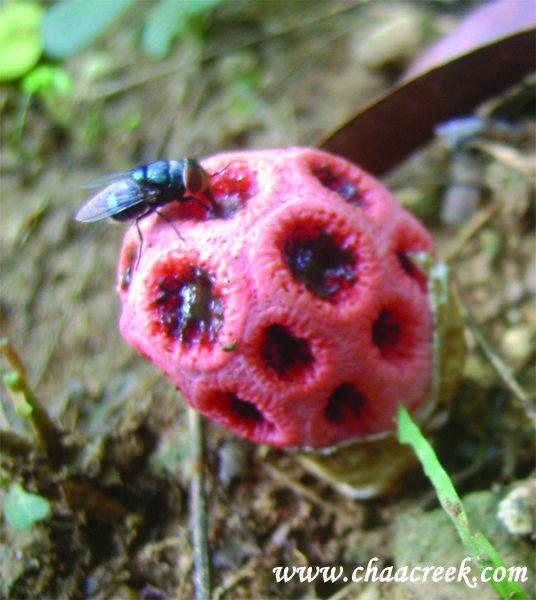
The height ranges from 8 to 20 cm. The leathery, basket like structure is usually bright pink to pale orange. Despite the smell of Stink horn mushroom usually being considered an unpleasant odor, it is still considered a delicacy in many European and Asian countries where they are readily available in markets under the common name “Devil’s egg”.
Belize Photo of the Day: A Young Kiskadee
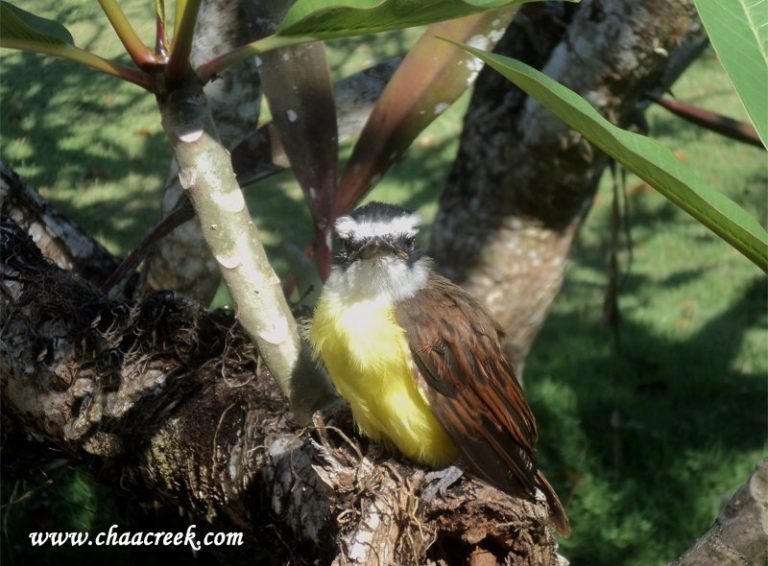
Among its particularities is its aggressive and territorial nature, often times seen attacking larger birds and able to elude raptors by easily maneuvering through the air with agility and precision.
Belizean Kermit’s existential dilema
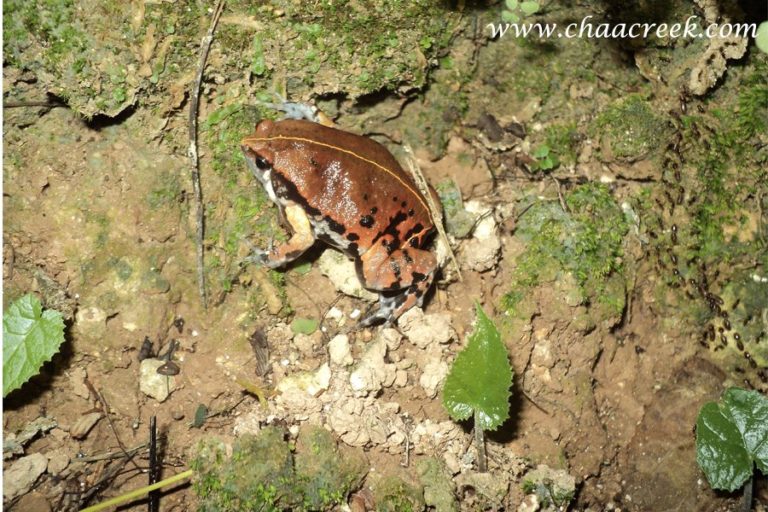
One of the interesting oddities of nature is undoubtedly the sheep frog’s ability to confuse those in its surroundings into thinking there is a different animal in its surroundings by making an unusual sound (a sheep like bleat) not particular to its own species (as croaking is the norm for its amphibious cousins). So when you are walking through the tropical rainforests of Belize and hear what sounds like a sheep in the middle of the forest watch your step because you do not want to step on this wonderful oddity of nature.
What do Belize and the Kingdom of Siam have in common?
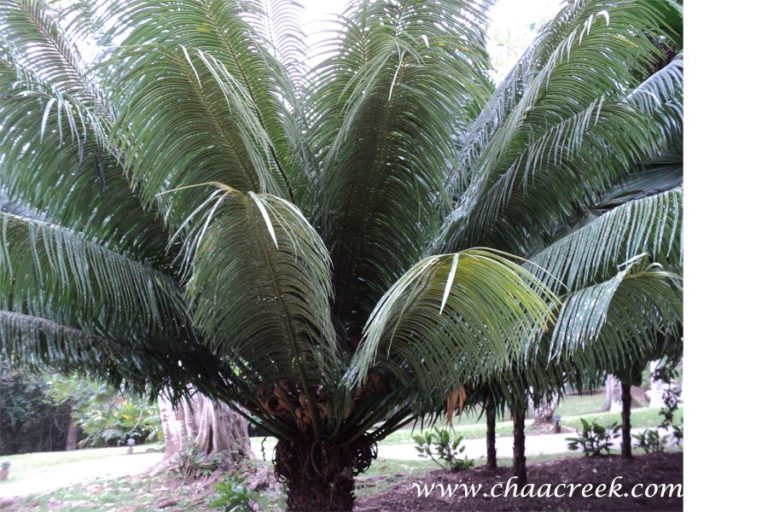
The Cycad (Cycas siamensis) is a short plant that looks like a palm with a swollen base, short trunk and an attractive large crown with hard, stiff evergreen leaves. The Cycad is originally from Thailand, formerly the Kingdom of Siam, from where its name is derived.
The Plumeria – one of Mother Nature’s most sublime aphrodisiacs
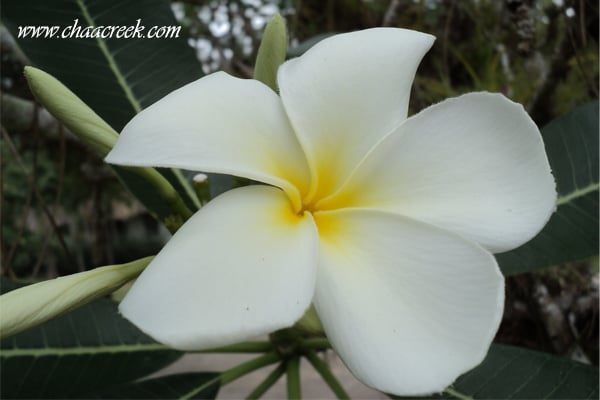
One can only truly enjoy the plumeria’s full splendor in person within its native habitat. In Belize one is delightfully surprised by these beautiful flowers as your senses become aware and heightened by the plumeria’s unique aroma lingering through the air within the lush green rainforest.
Photo of the Day: Kinkajou – the Honey Bear
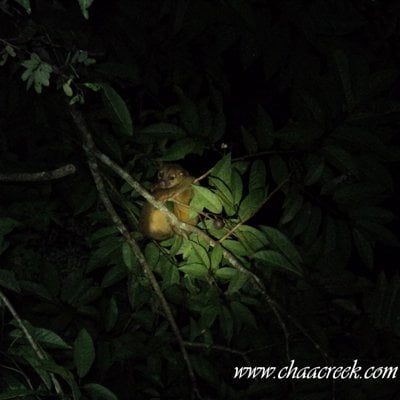
The Kinkajou can be found in the Americas with its habitat spanning from northern Mexico to the south of Brazil, nearly half the continent. It is also commonly referred to as the Honey Bear, night walker or Potto.
The Cicada – A Symbol of Rebirth
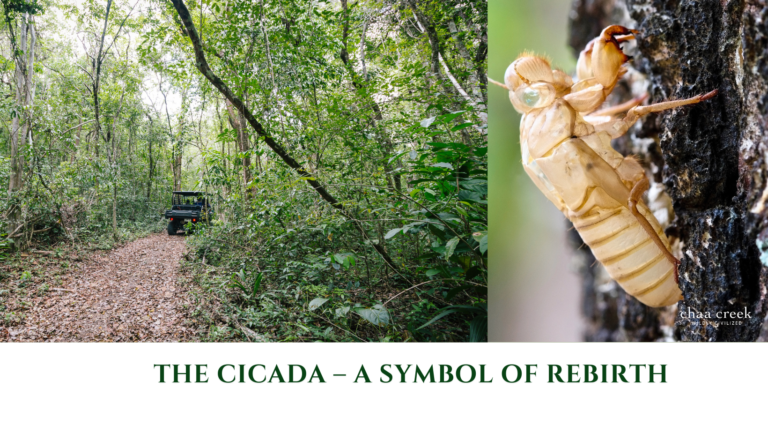
Peter Lourie, in his book “The Mystery of the Maya: Uncovering the lost city of Palenque” mentions these creatures as well. “Hearing the roar of howlers and the whine of cicadas in the long, hot jungle afternoons in Chiapas, Mexico, is an important part of my research into the ancient Maya civilization,” he says.
Maya Masks and the Dance of the Deer
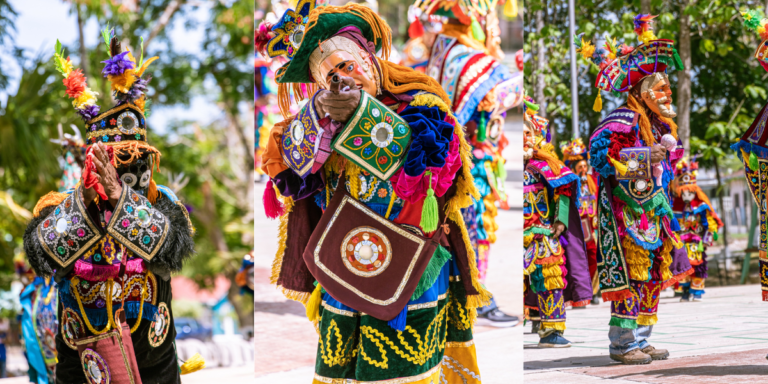
The deer dance is a Maya custom that depicts a scene from around the time of the Spanish conquest. Participants wear masks and costumes that resemble two Europeans and several animals. The dance begins as one of the Europeans sees an animal in the forest…
The Stemadenia Donnel Smithi – A Magnetic Force Deep Within the Jungles of Belize
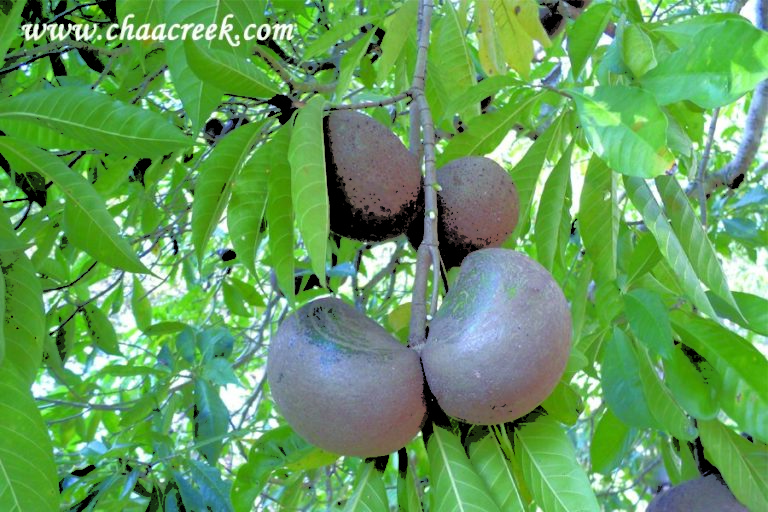
The Stemadenia donnel smithi, has a magnetic draw. Not only does the sweet nectar of its large yellow flowers attract butterflies, moths, hummingbirds and bees but its fruits also draw over 22 species of birds (including toucans and woodpeckers) and small mammals such as kinkajous, squirrels, and even monkeys.
Probably the most interesting species to note is the homo sapiens sapiens…
Belize’s Oregano – An Amazing Medicinal Herb
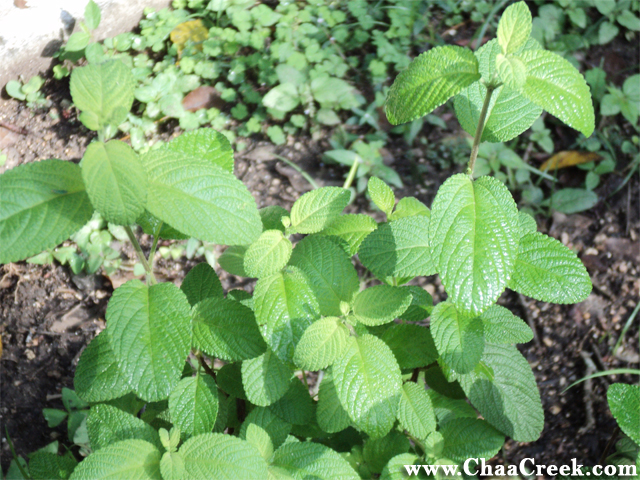
Today’s Belize Photo of the Day is the Oregano which is scientifically known as Coleus aromaticus benth. This Eurasian herb is a member of the mint family and has a peppery flavor with a mild hint of sage and thyme. If taken in excess, the herb releases a pungent chemical that can numb one’s tongue.
Belize, The Bachelor, and Love

The growth of romantic vacations as a uniquely Belizean attraction has been highlighted again this week with the airing of The Bachelor reality TV show, and this is a welcome trend for Adventure Romance specialists such as Chaa Creek, the eco resort’s spa manager Bryony Fleming said. The 7th episode of the 16th season of The Bachelor began with Bachelor Ben Flanjik and six female contestants arriving in Belize for a holiday that ended with only four women remaining. The Belizean series included Ben and his dates leaping from a helicopter into the famous Blue Hole.
The White-Collared Manakin- An Amazing Dancing Bird
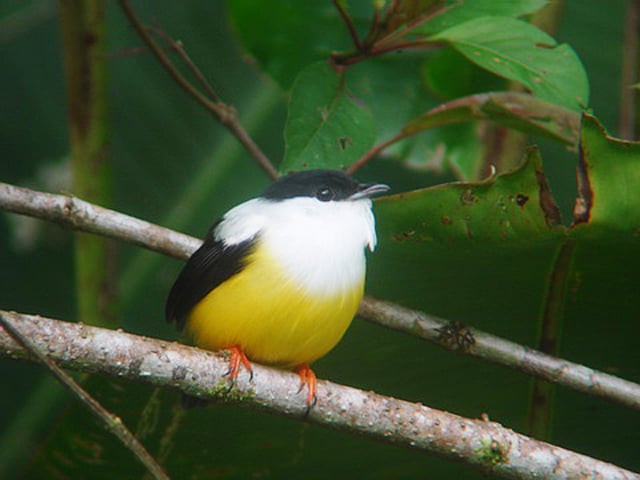
Today’s Belize Photo of the Day is the White-Collared Manakin and is scientifically known as Manacus candei. These compact forest birds are short-tailed, big-headed, but are quite tiny measuring to a mere 11 cm in length, and 18.5 grams in weight.
The Chaa Creek Chultun is another indication of Maya existence at Chaa Creek Nature Reserve
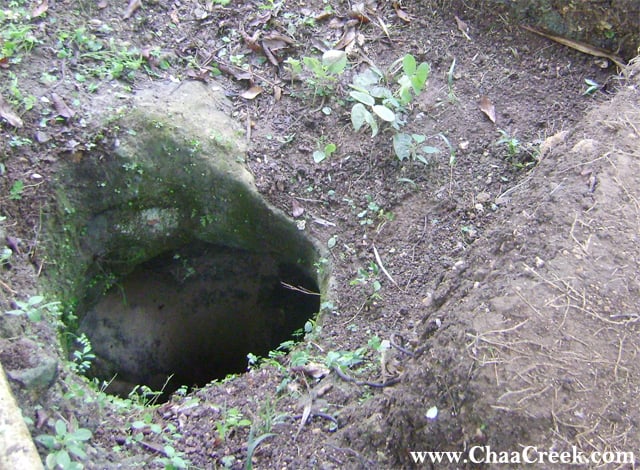
A chultun is a subterranean chamber carved by the ancient Maya, out of the soft limestone bedrock, that has a narrow cylindrical opening. Chultuns can be vastly found in Central America, primarily in locations near Maya archaeological temple sites.